 Nirajan Dahal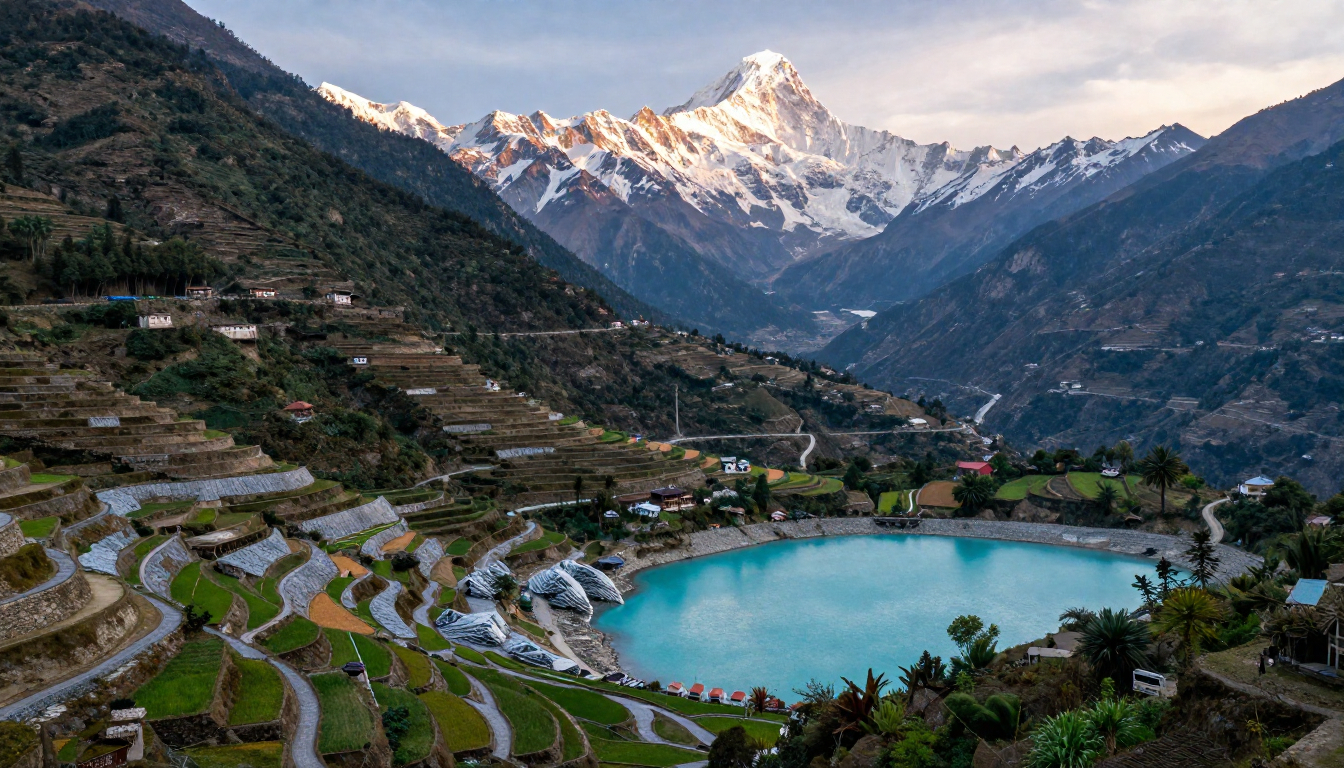
In the shadow of Annapurna, Nepal’s mountain communities face shrinking snowpacks and unstable glacial lakes. Twenty-three-year snow lows and 42 high-risk lakes threaten lives and livelihoods. Yet communities aren’t waiting for global climate talks. They are acting with homegrown solutions and hard-won funding – $36.1 million from the Green Climate Fund, 3,000 hectares of revived springsheds, and 2,500 hectares of conservation farms scaling across provinces.
The Numbers Behind the Fight
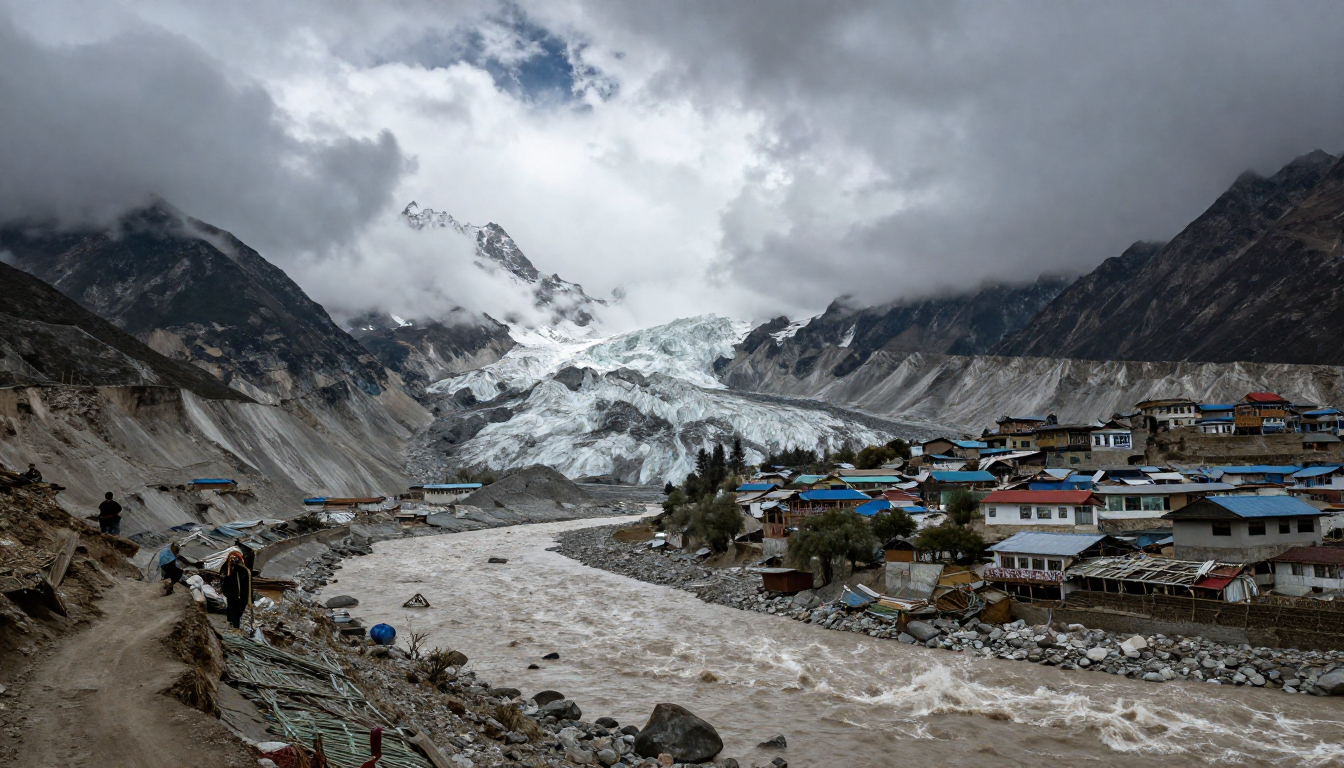
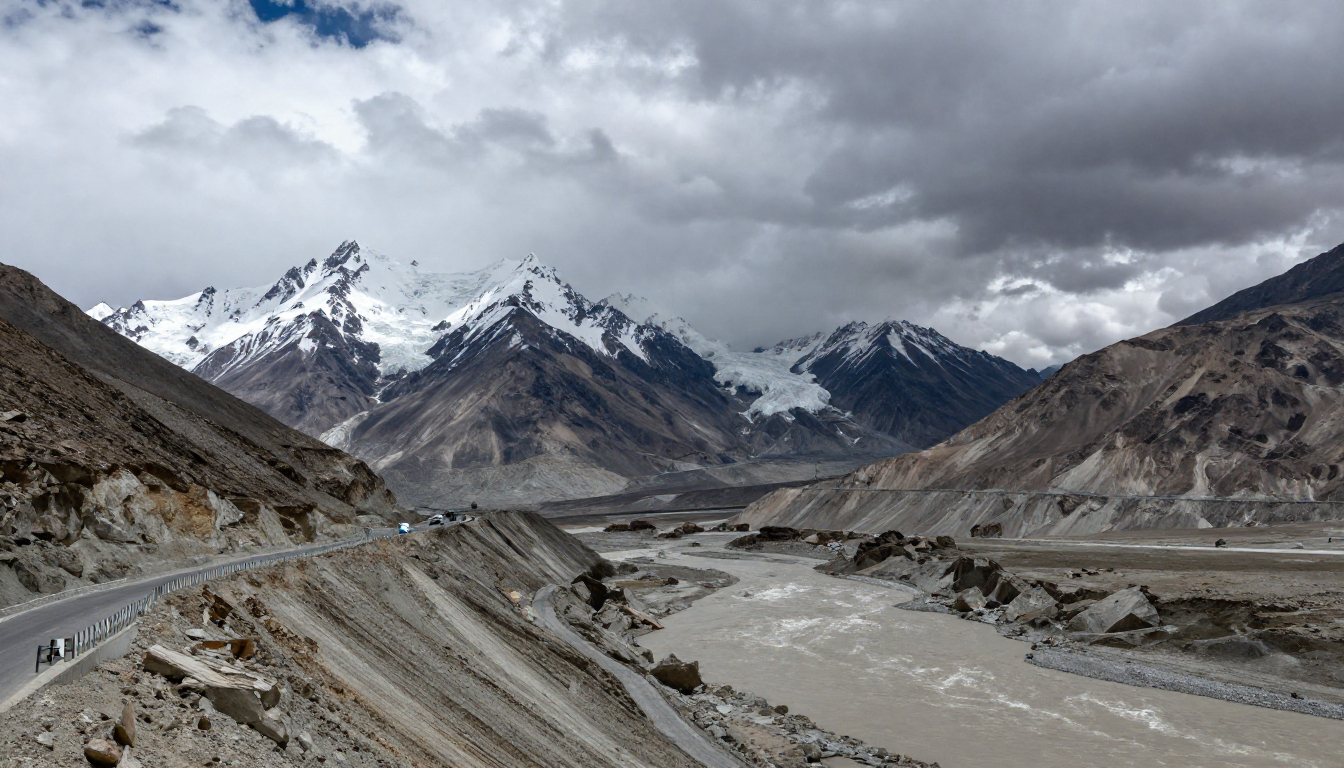
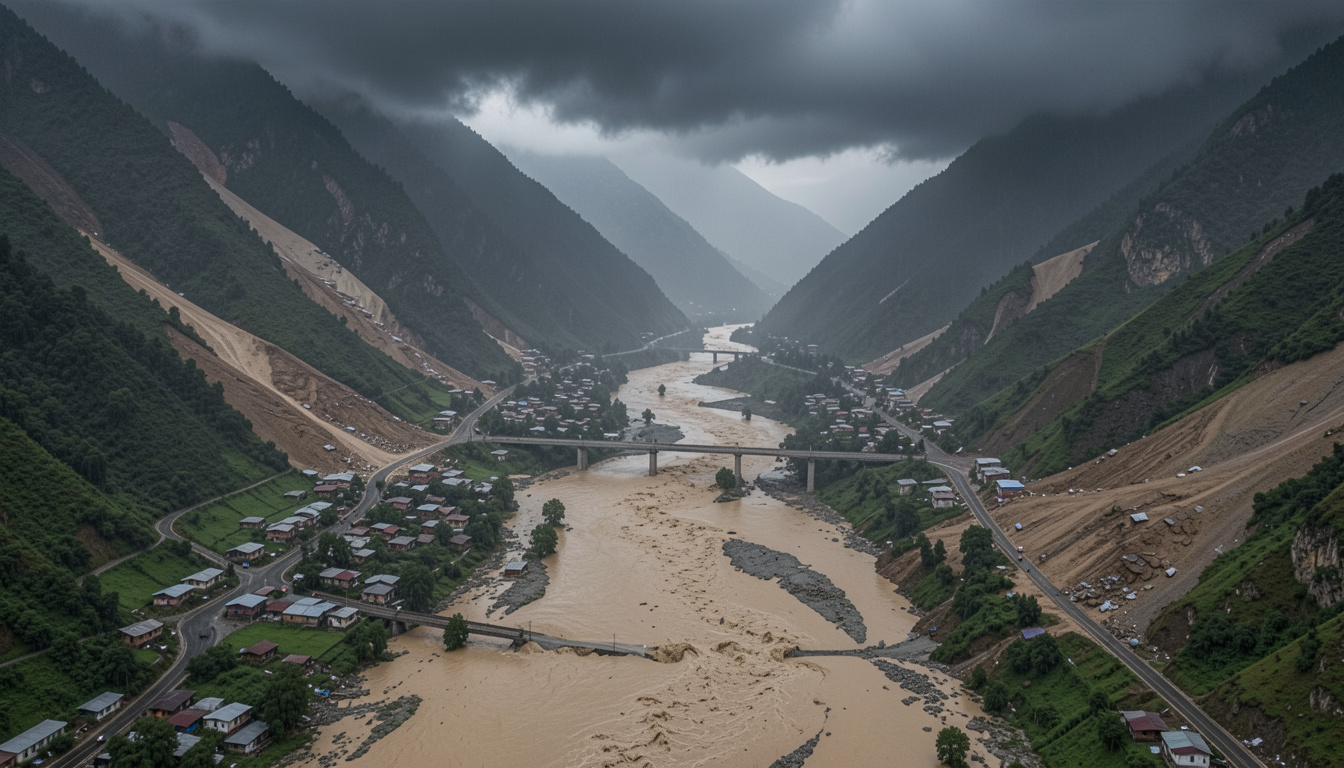
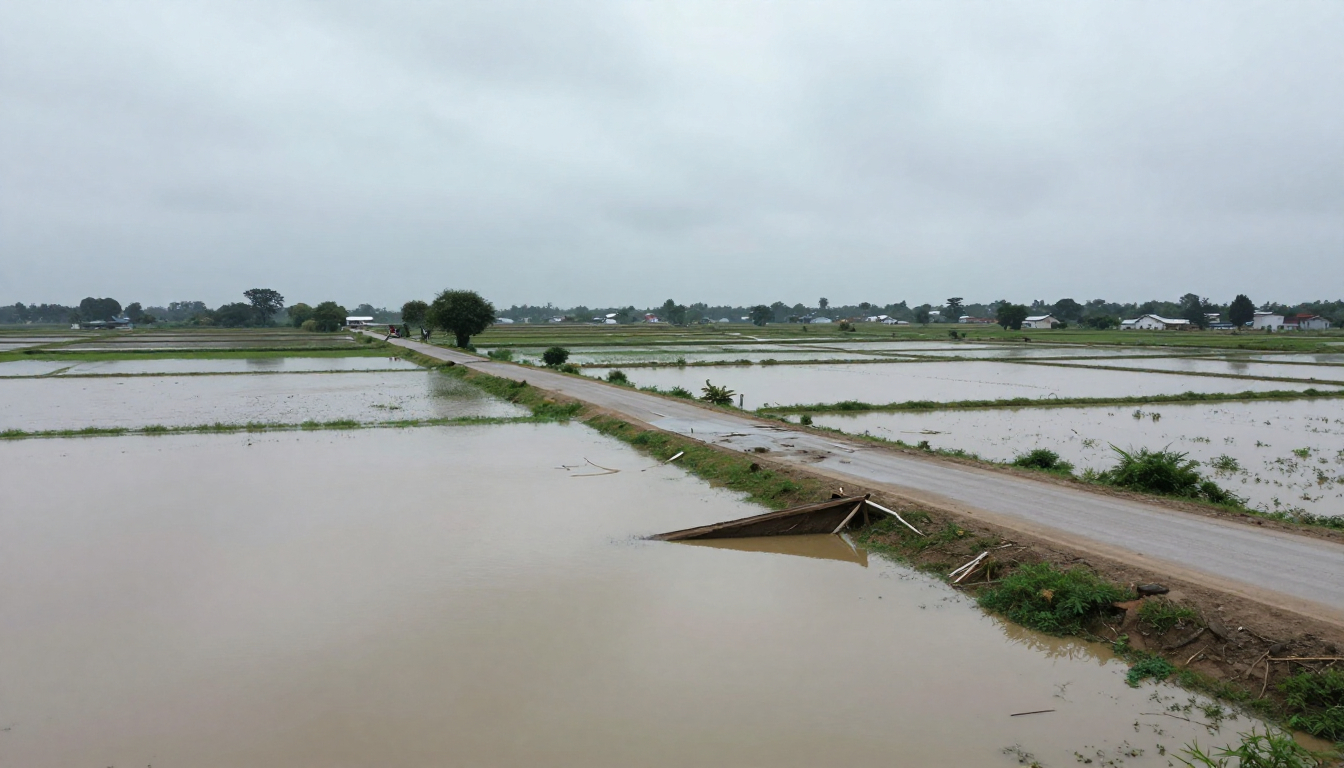
Consider Thulagi Glacier Lake: one of four priority sites where 2.3 million Koshi and Gandaki basin residents face glacial lake outburst floods (GLOFs). The GCF project doesn’t just monitor-it’s lowering lake levels, reforesting 150+ hectares of riverbanks, and building gabions across flood-prone corridors, backed by $14 million in government-hydro-tourism co-financing. Since 1980, 72.5% of Nepal’s 1,462 flood deaths happened during monsoons-these early warning networks aim to change that.
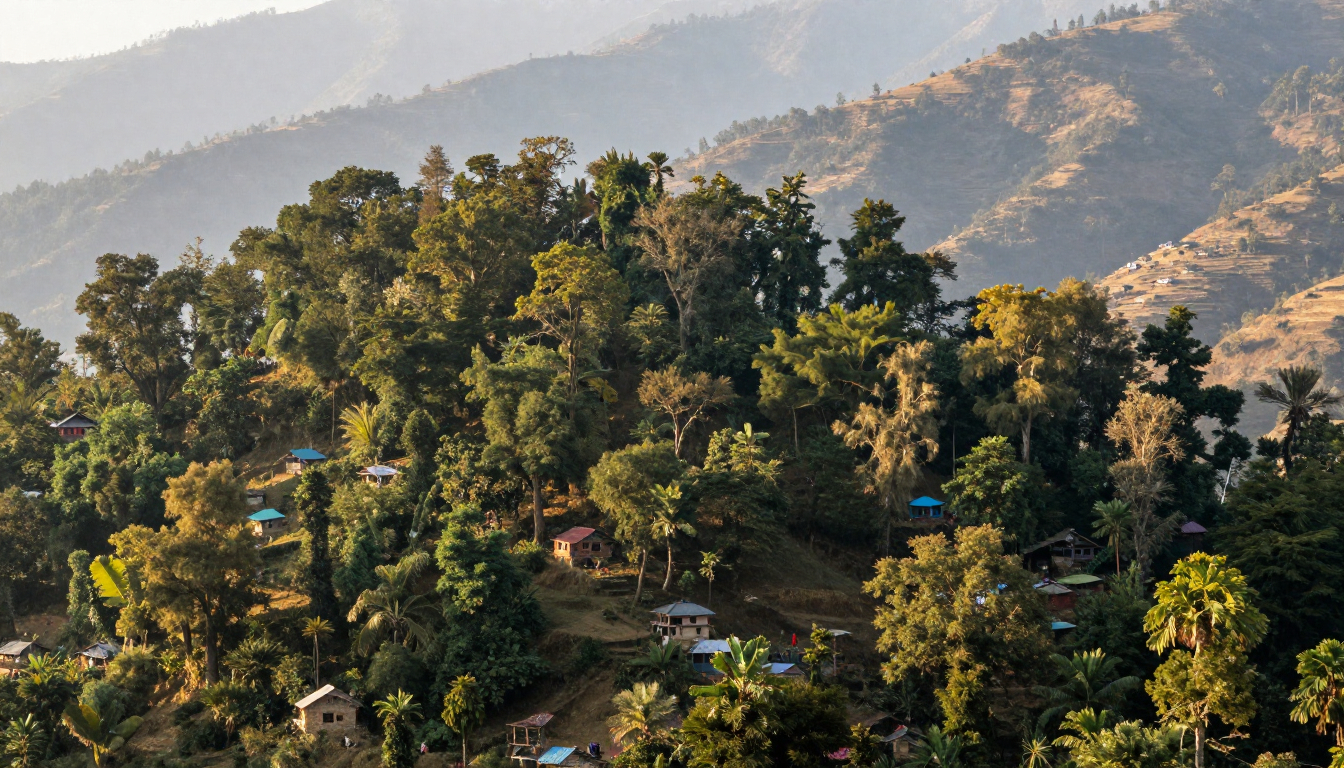
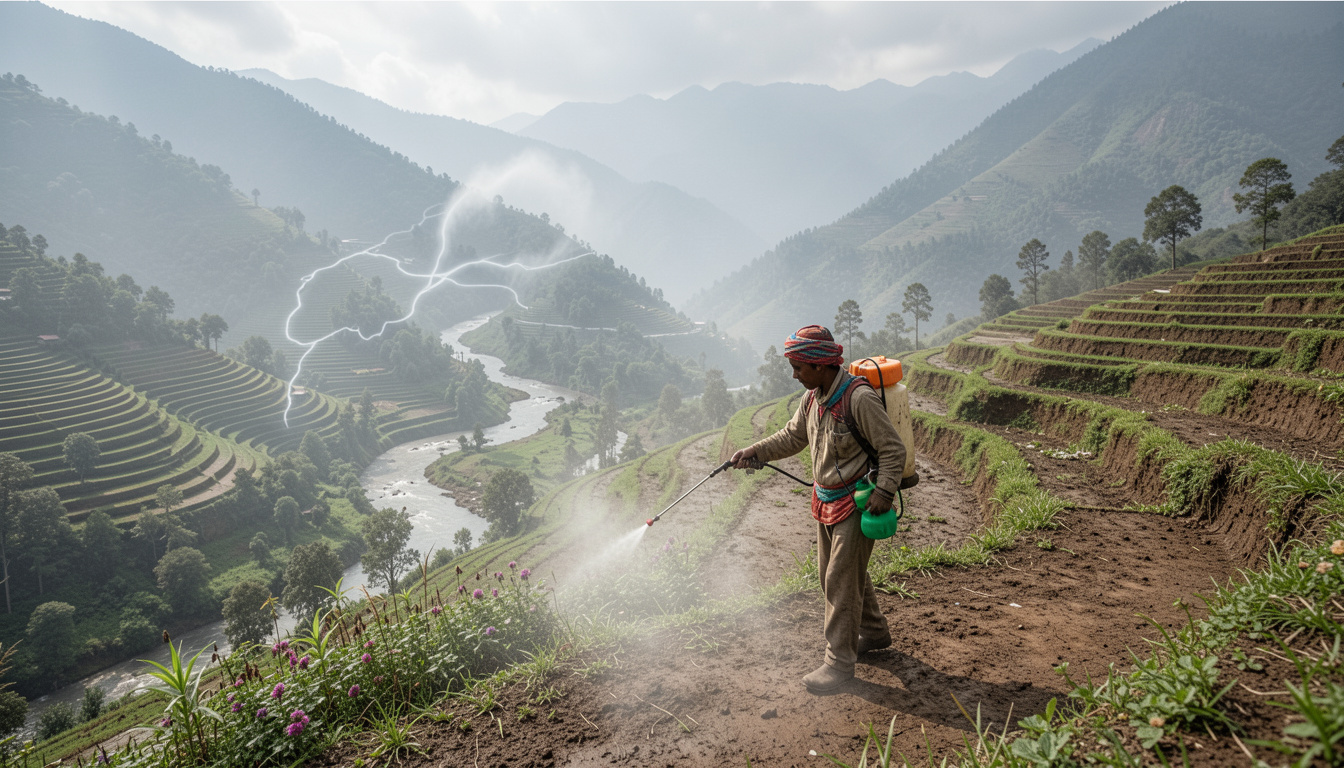
Meanwhile, the Asian Development Bank’s PPCR project has trained 5,000+ locals (half women) to fence springsheds across 3,000 hectares in mid-hill eco-regions, where spring sources vital for 80% of dry-season river flow have dwindled 20% from snow droughts. In Khotang and Okhaldhunga, UNDP’s District Climate Resilient Livelihoods program has farmers drone-seeding barren slopes and installing solar water lifts on 2,500 hectares, backed by Rs 38 million in provincial scaling.
From Panchase to Policy
The numbers scale up. Nepal’s Mountain EbA project has restored three sub-watersheds (Rati, Saradi, Harpan) and birthed a High-Level EbA Committee. ICIMOD’s HI-REAP builds regional momentum against one-third glacier loss projected by 2100 even at 1.5°C warming. Nationally, the 2021–2050 NAP and NDC 3.0 target 200 climate-smart villages across 753 municipalities, shielding hydropower (24% GDP) and agriculture from 20% meltwater runoff drops.
| Project | Scale | People Protected | Investment |
|---|---|---|---|
| GCF GLOF | 4 lakes | 2.3M | $36.1M + $14M |
| ADB Springs | 3,000 ha | 5,000 trained | Multi-year PPCR |
| UNDP DCRL | 2,500 ha | Marginalized groups | Rs 38M scaling |
| NAP/NDC | 200 villages | National | Policy framework |
“We Can’t Wait for Snow”
In Jumla’s snowless winter, farmer Laxmi Tamang told me: “We’ve lost 30% of our apple yield to dry springs, but the recharge ponds hold-our kids will drink from them.” Her story echoes Panchase’s success: restored watersheds now buffer 1.46mm/year rainfall declines.
As February 13 forecasts predict continued Himalayan cloudiness with light snowfall chances, these numbers aren’t abstract. They’re Nepal rewriting its climate story-one lake lowered, one village protected, 0.086°C/year warming confronted head-on. The question for COP32: will the world match this mountain grit?