 Nirajan Dahal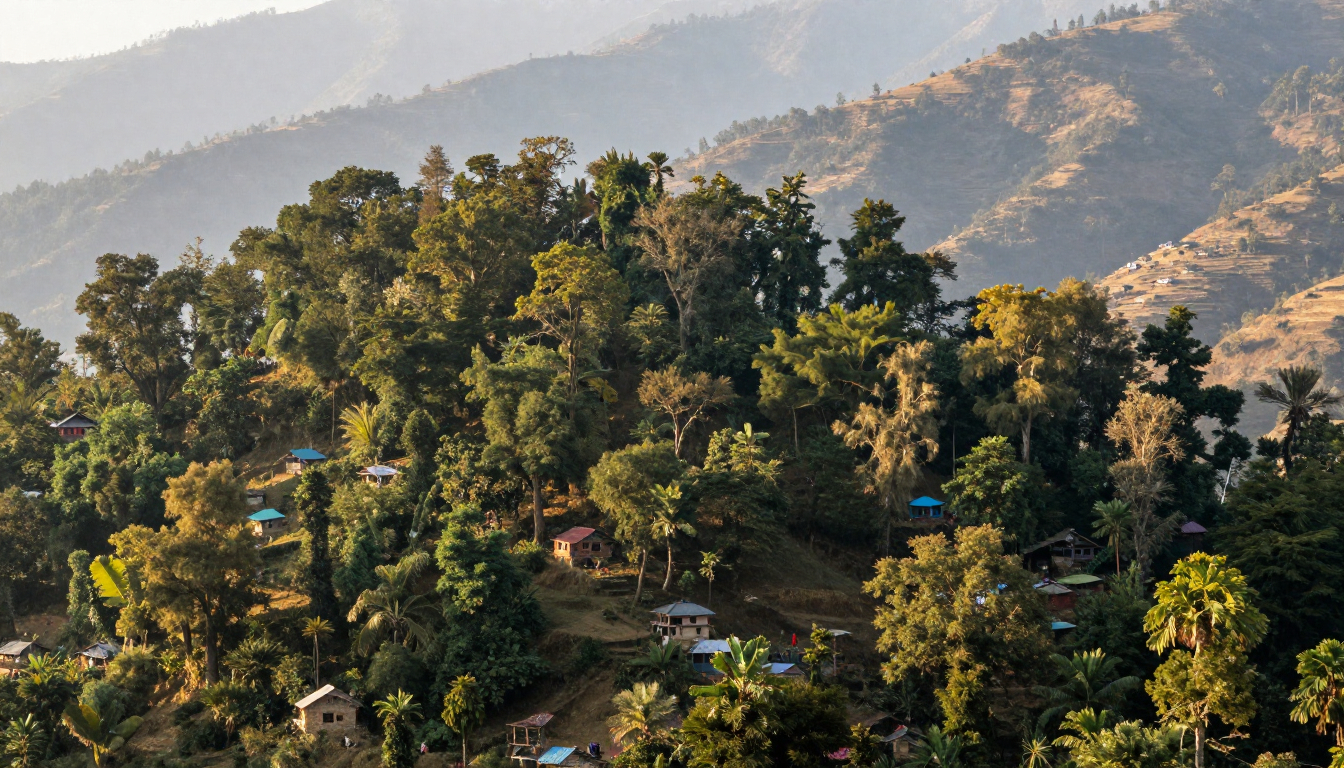
As Nepal marks World Environment Day 2026, the country has a statistic worth celebrating: nearly half of its land is now covered by forests and other wooded land.
According to national forest monitoring data, forests and other wooded land account for approximately 46.08% of Nepal’s total area. Compared to the widespread deforestation concerns of previous decades, this represents a remarkable environmental achievement and places Nepal among the most forest-rich countries in South Asia.
At first glance, the story appears simple. More trees. More green cover. A healthier environment.
But the reality behind Nepal’s expanding forests is more complex.
Part of this green growth is the result of one of Nepal’s greatest conservation successes: community forestry. Another part, however, is emerging from a very different trend—the gradual abandonment of agricultural land across the country’s hills and mountains.
The Success Story Nepal Deserves Credit For
Nepal’s community forestry model is often cited as one of the world’s most successful examples of local environmental management.
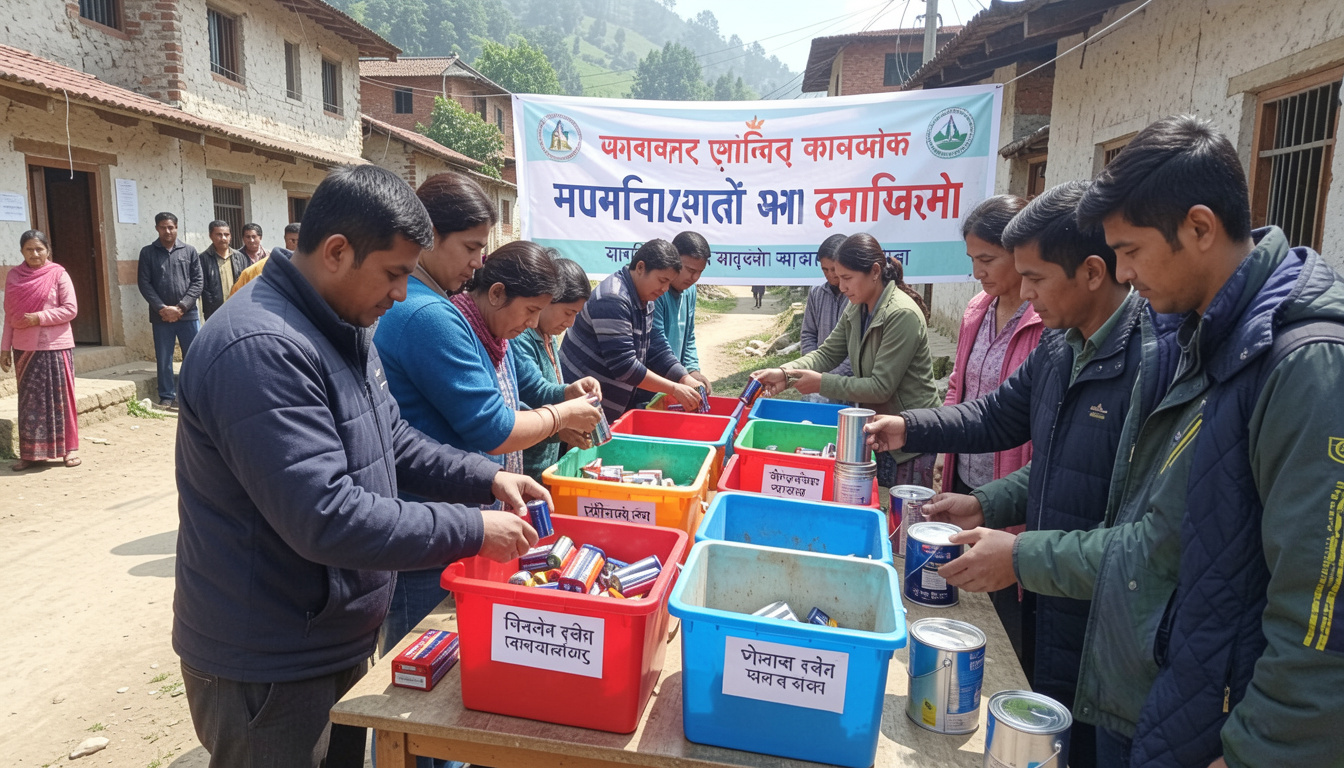
Thousands of Community Forest User Groups now manage forests that were once heavily degraded. Local communities protect forests, control illegal harvesting, reduce forest fires, and participate directly in conservation efforts.
The results are visible across the country.
Areas that were once bare hillsides now support dense vegetation. Wildlife habitats have recovered. Forests play an increasingly important role in carbon storage, water conservation, biodiversity protection, and climate resilience.
This success did not happen by accident. It is the result of decades of local participation, policy support, and community ownership.
The Other Story Hidden Behind the Numbers
While conservation efforts deserve recognition, researchers have identified another major contributor to Nepal’s rising forest cover.
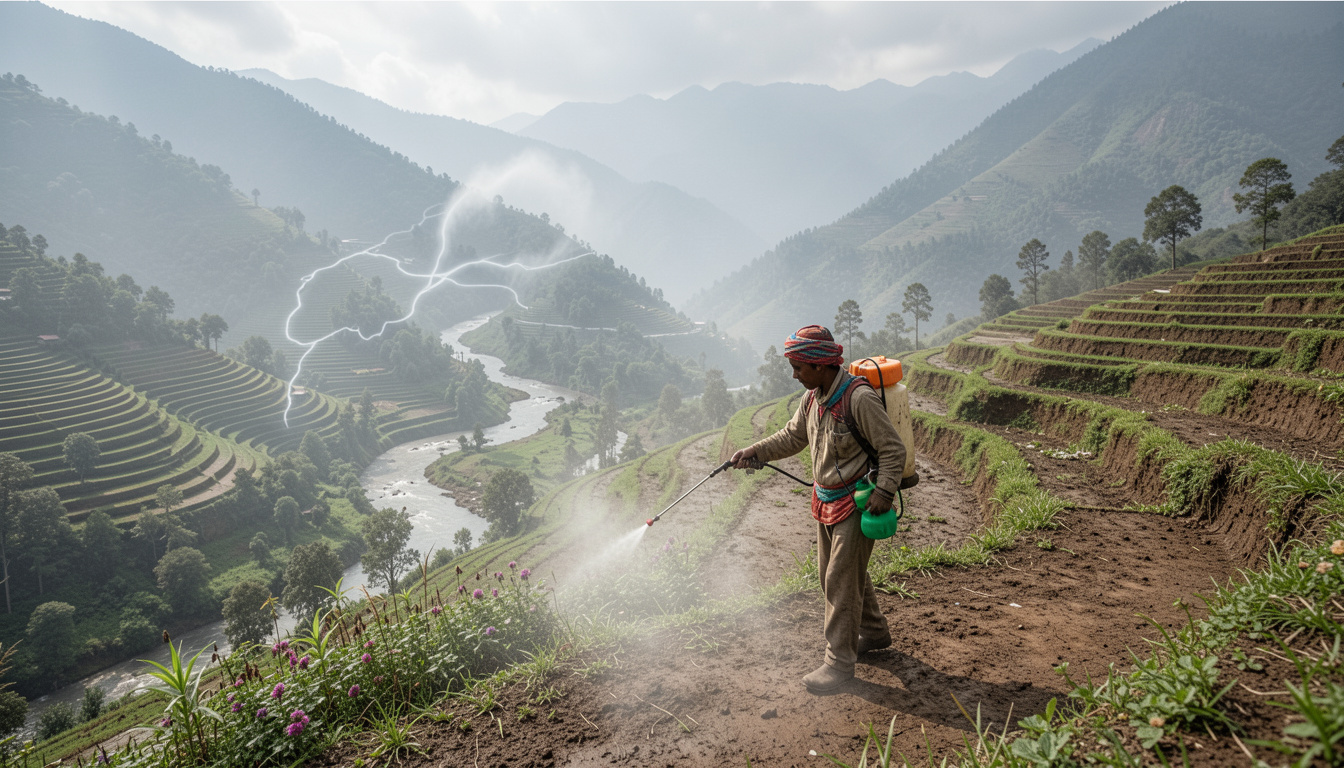
Across many hill districts, farmland is being abandoned.
Villages that once depended on agriculture are seeing fewer people remain in farming. Young people continue to migrate to cities and overseas in search of education, employment, and better opportunities.
As fields are left uncultivated, nature slowly reclaims them.
Grasslands appear first. Shrubs follow. Over time, trees establish themselves. Eventually, what was once agricultural land begins to resemble natural forest.
This process, known as natural regeneration, increases forest cover without any active planting program.
From a satellite image, a newly regenerated forest and a traditional forest may both appear green. Yet their origins tell very different stories.
One represents successful conservation.
The other may represent a declining agricultural landscape.
Why Farmers Are Leaving the Land
The reasons behind agricultural abandonment are not difficult to understand.
Many rural communities face limited access to irrigation, fragmented land ownership, labor shortages, and declining profitability.
Climate change adds another layer of uncertainty.
Unpredictable rainfall, prolonged dry periods, and changing weather patterns make farming increasingly challenging, particularly in rain-fed regions.
At the same time, remittances and urban employment often provide more reliable income than agriculture.
For many families, leaving farmland unused becomes an economic decision rather than an environmental one.
The Food Security Question
This creates an uncomfortable question.
If Nepal is gaining forests while losing active farmland, what does that mean for future food production?
A greener landscape is undoubtedly beneficial for biodiversity, soil protection, and climate resilience. However, a country cannot rely on forest cover alone.
Agricultural land remains essential for food security, rural livelihoods, and economic stability.
The challenge is not choosing between forests and farms. The challenge is ensuring that both can thrive together.
An abandoned field becoming a forest may improve environmental indicators, but it may also signal deeper social and economic problems that require attention.
Looking Beyond a Single Statistic
Forest cover is an important measure of environmental health, but it does not tell the entire story.
A rising forest percentage can represent successful conservation efforts.
It can also reflect migration, changing rural economies, and the gradual withdrawal of people from agricultural landscapes.
Understanding the difference matters.
If policymakers focus only on increasing forest cover, they risk overlooking the factors that are transforming rural Nepal. Likewise, if agricultural decline is ignored, future challenges related to food production and rural development may become more severe.
A More Balanced Environmental Future
World Environment Day is a reminder that environmental progress should be measured not only by how much land becomes green, but also by how sustainably that land supports people and nature.
Nepal’s growing forests are a genuine achievement.
The country’s community forestry movement deserves recognition and continued support.
At the same time, the rise of abandoned farmland deserves equal attention.
The future lies not in celebrating forest expansion alone, nor in prioritizing agriculture at the expense of conservation.
The real goal is balance: healthy forests, productive farmland, resilient rural communities, and sustainable livelihoods.
Nepal’s forests are growing.
The question now is whether the communities that once cultivated the land beneath them can grow alongside them.