 Nirajan Dahal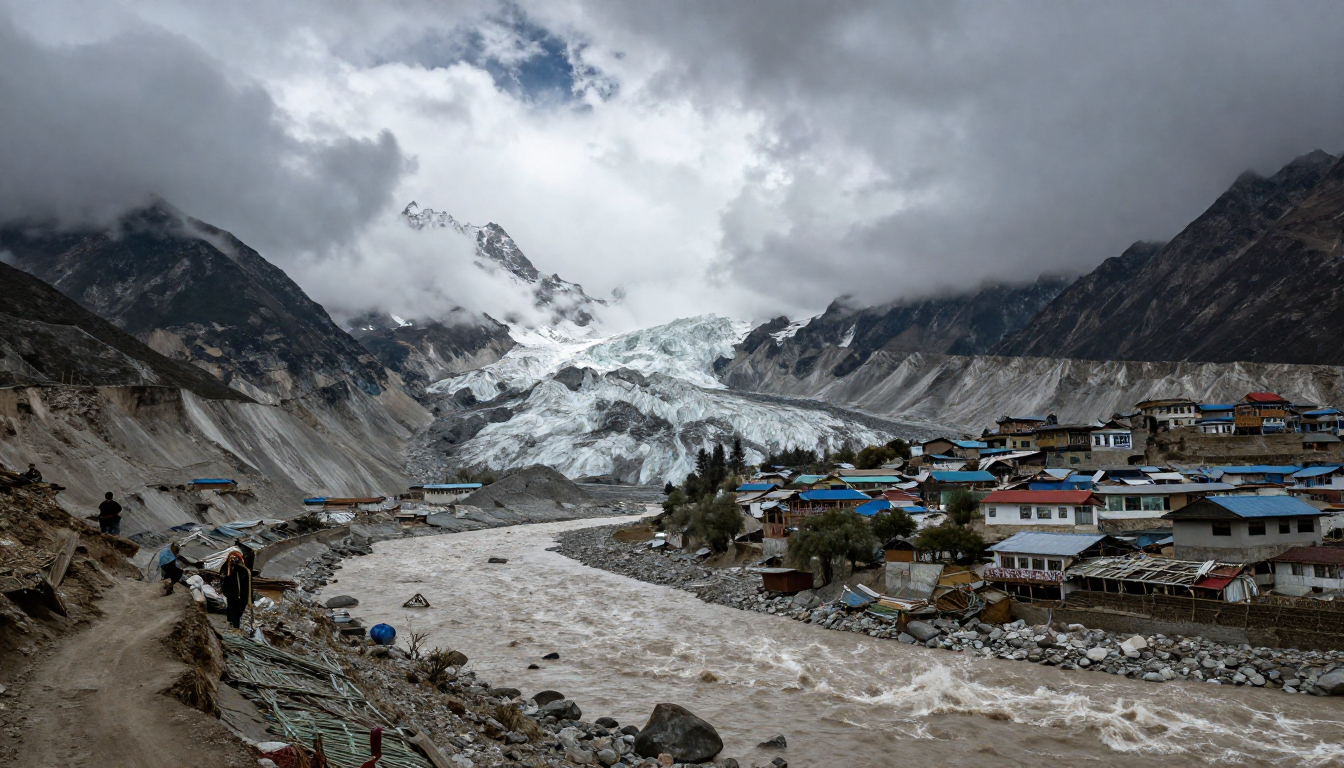
South Asia is entering yet another year of climate uncertainty. Across the region, communities are experiencing hotter temperatures, changing rainfall patterns, prolonged dry spells, and increasingly destructive floods. While every country in the region faces climate-related challenges, Nepal stands at a particularly critical position.
Situated in the heart of the Himalayas, Nepal is increasingly becoming one of the clearest examples of how climate change can simultaneously affect mountains, rivers, agriculture, tourism, infrastructure, and daily life.
The climate story unfolding in Nepal is no longer a prediction about the future. It is already happening.
A Region Under Growing Climate Pressure
The World Meteorological Organization (WMO) recently warned that much of South Asia is likely to experience below-normal rainfall during the June–September monsoon season, while temperatures across the region are expected to remain above average. Seasonal outlooks indicate that several areas may face a combination of heat stress, rainfall deficits, and extreme weather events.
This creates a dangerous situation.
Climate change does not simply mean “more rain” or “less rain.” Instead, it often produces greater variability. Regions may experience prolonged dry periods followed by sudden, intense rainfall events that overwhelm rivers, drainage systems, and mountain slopes.
For countries such as Nepal, where geography already creates natural vulnerability, these changes significantly increase climate-related risks.
Why Nepal Matters
Nepal is often described as a climate hotspot.
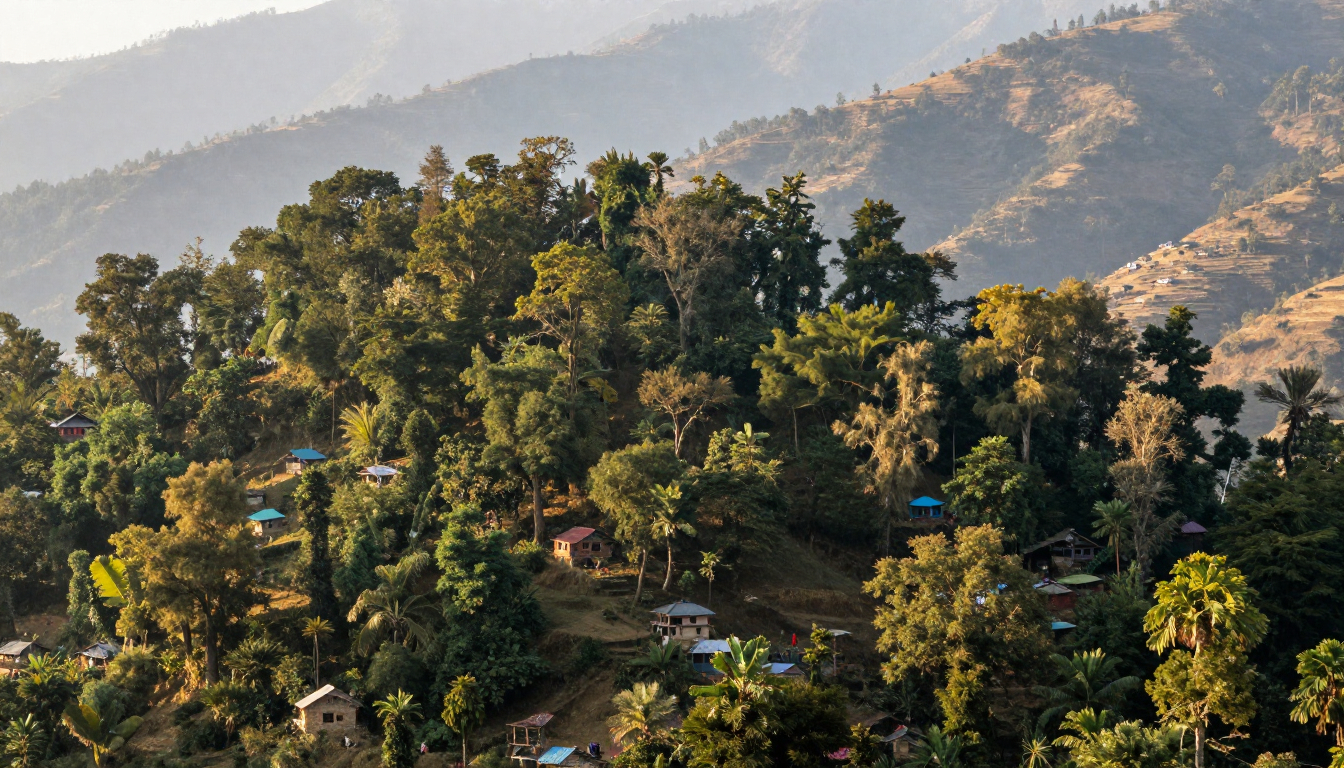
Despite contributing very little to global greenhouse gas emissions, the country is experiencing some of the most visible impacts of global warming. Nepal’s unique geography—from the high Himalayas to the plains of the Terai—means that climate disruptions affect nearly every sector of society.
Agriculture depends heavily on seasonal rainfall.
Hydropower depends on river flow.
Tourism depends on predictable weather and safe mountain conditions.
Mountain communities depend on glaciers and snow-fed water systems.
When climate patterns shift, the effects ripple across the entire economy.
Scientists have observed significant warming trends across Nepal, with recorded temperature increases ranging from approximately 0.02°C to 0.16°C per year in different regions. Research also shows substantial changes in glacier behavior, water storage, and glacial lake development throughout the country.
The Monsoon Is Becoming More Unpredictable
For centuries, the South Asian monsoon has acted as a lifeline for agriculture, water resources, and ecosystems.
Today, that system is becoming less predictable.
Recent climate outlooks suggest that much of South Asia may receive below-average rainfall during the 2026 monsoon season. At the same time, weather experts warn that isolated extreme rainfall events may still occur even during an overall weaker monsoon.
This means communities may face two opposing challenges:
- Water shortages during extended dry periods.
- Flash floods during short periods of intense rainfall.
Such patterns have become increasingly common throughout the Himalayan region.
A delayed or weak monsoon can affect crop production, drinking water supplies, and hydropower generation. However, a single day of extreme rainfall can trigger devastating floods and landslides.
For Nepal, managing both drought and flood risks simultaneously is becoming one of the greatest climate adaptation challenges.
The Himalayas Are Warming Faster Than Expected
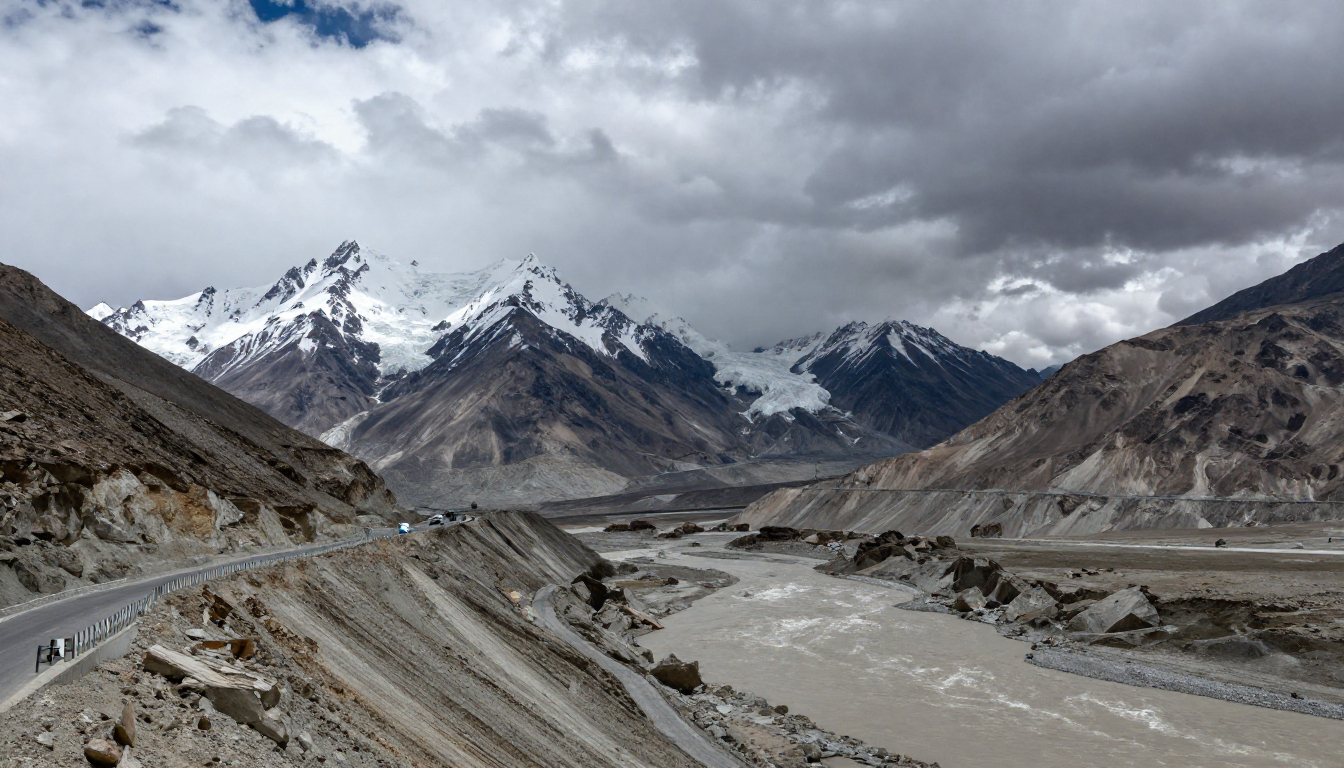
The Himalayan region is often referred to as the “Third Pole” because it contains the largest concentration of ice outside the Arctic and Antarctic.
Unfortunately, this vital water reserve is shrinking.
According to recent findings from the International Centre for Integrated Mountain Development (ICIMOD), glaciers across the Hindu Kush Himalayan region are now losing ice at approximately double the rate observed in the early 2000s. Researchers estimate that some glaciers have lost as much as 27 meters of ice thickness since 1975.
The Hindu Kush Himalayan region contains roughly 54,000 glaciers covering around 60,000 square kilometers, serving as one of Asia’s most important freshwater sources. Nearly two billion people depend directly or indirectly on water originating from these mountain systems.
For Nepal, glacier retreat has consequences far beyond the mountains.
Initially, accelerated melting can increase river flows and flood risks. Over the long term, however, reduced ice storage may decrease dry-season water availability, affecting agriculture, drinking water supplies, and hydropower generation.
Glacier Lakes Are Becoming a Growing Threat
One of the lesser-known climate risks facing Nepal is the expansion of glacial lakes.
As glaciers retreat, meltwater accumulates behind natural dams made of rock and debris. These lakes can become unstable and may suddenly burst, releasing enormous volumes of water downstream.
These events are known as Glacial Lake Outburst Floods (GLOFs).
Research examining Nepal’s glaciers and glacial lakes found that glacial lake surface areas continue to expand, while historical records document at least 45 reliable GLOF events from 39 glacial lakes across Nepal.
A major GLOF can destroy:
- Roads
- Bridges
- Settlements
- Agricultural land
- Hydropower facilities
- Tourism infrastructure
Because many river valleys in Nepal are densely populated and contain critical infrastructure, the potential impacts can extend far beyond the mountains where these events originate.
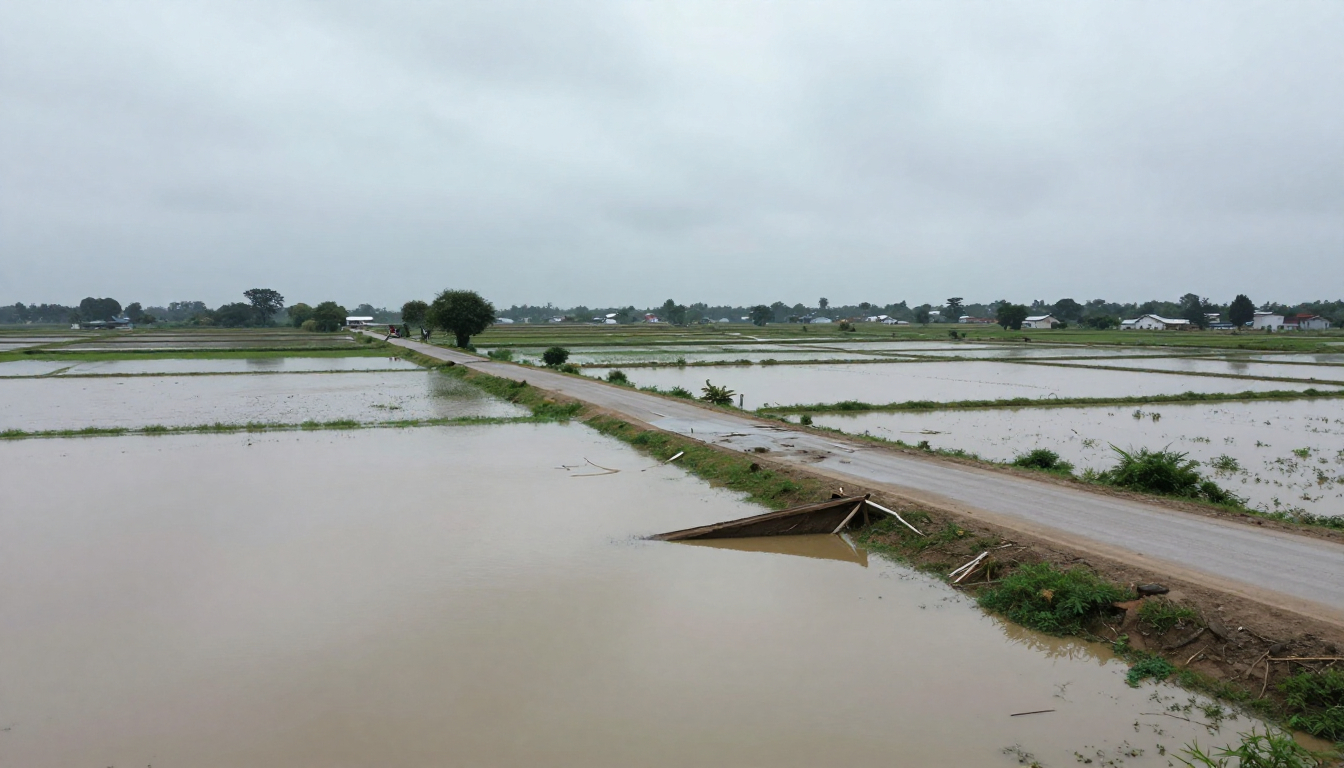
Landslides and Floods Remain a Constant Threat
Every monsoon season brings concerns about landslides and flooding.
Nepal’s steep terrain naturally creates landslide risk, but climate change is increasing the frequency of conditions that trigger slope failures.
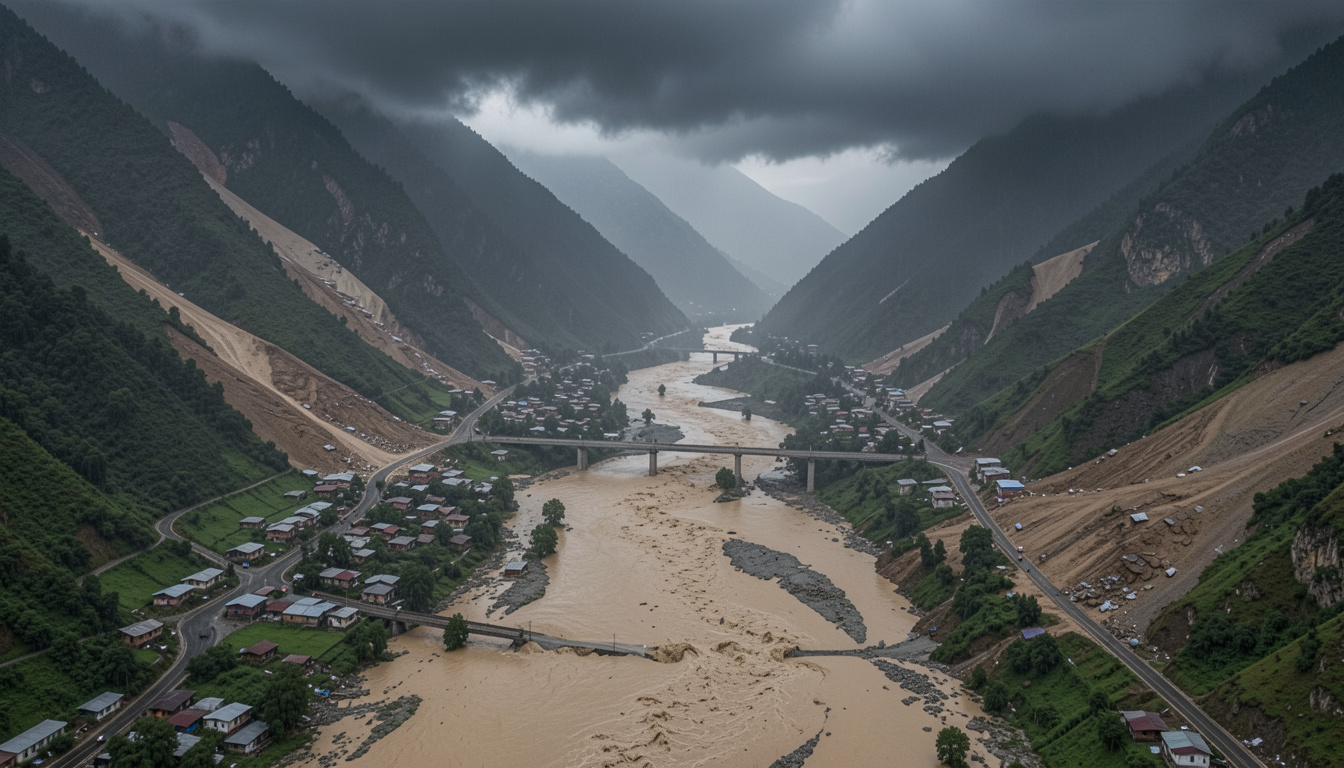
When intense rainfall falls within a short period, mountain soils become saturated. Combined with road construction, deforestation, and fragile geology, this can trigger landslides that block rivers, destroy homes, and isolate entire communities.
Climate researchers studying recent Himalayan monsoon events have noted increasingly destructive rainfall-induced landslides across mountain regions.
Flood risks are also becoming more complex.
Communities now face threats from:
- River flooding
- Flash floods
- Urban flooding
- Landslide-dammed lake failures
- Glacial lake outburst floods
These hazards can occur separately or together, creating cascading disasters that are difficult to predict and manage.
Climate Change Is Affecting Everyday Life
For many people, climate change can seem like a distant scientific issue.
In Nepal, however, its effects are increasingly visible in daily life.
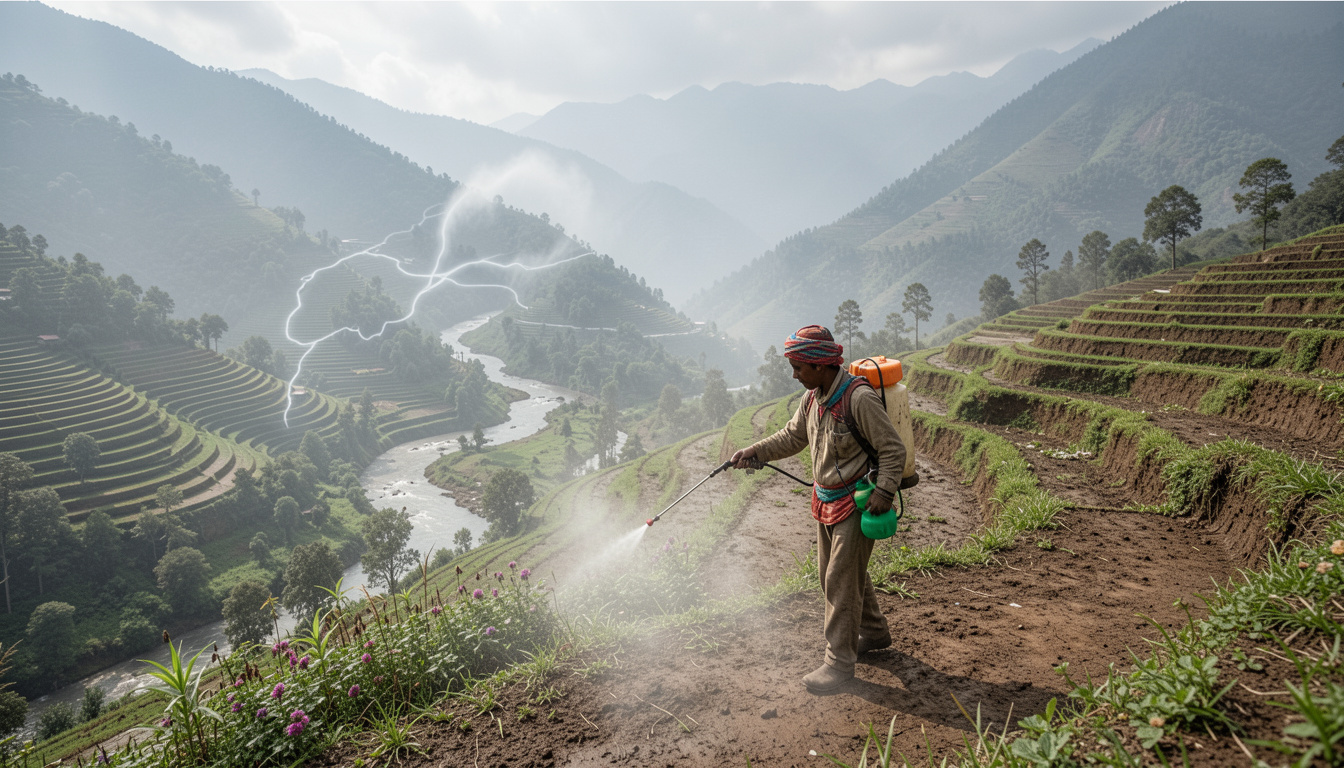
Farmers report changing planting seasons and uncertainty around rainfall timing.
Urban residents experience longer heat waves and heavier rain events.
Mountain communities face changing snowfall patterns and water availability.
Tourism operators must monitor weather conditions more carefully than ever before.
Trekkers and expedition companies increasingly rely on weather forecasts, road updates, and trail safety information because mountain conditions can change rapidly.
The economic impacts are also significant.
Agriculture remains one of Nepal’s largest employers, while hydropower plays a central role in the country’s energy future. Both sectors depend heavily on stable climate patterns.
As those patterns become less predictable, economic planning becomes more difficult.
What Nepal and South Asia Need Next
The climate challenges facing Nepal cannot be solved through a single policy or project.
Adaptation requires coordinated action at multiple levels.
Several priorities stand out:
Stronger Early Warning Systems
Communities need faster and more reliable flood, landslide, and weather alerts.
Early warning systems have repeatedly proven capable of saving lives when properly implemented.
Climate-Resilient Infrastructure
Roads, bridges, hydropower facilities, and public infrastructure must be designed to withstand more extreme weather conditions.
Building for yesterday’s climate may no longer be sufficient.
Better Water Management
As rainfall becomes more variable, water storage and watershed management will become increasingly important.
Capturing water during wet periods can help reduce vulnerability during droughts.
Community-Based Adaptation
Local knowledge remains one of Nepal’s strongest assets.
Communities that understand local rivers, slopes, and weather patterns often provide the first line of defense against climate-related disasters.
Climate Communication
Climate science can be complex.
Local media, news portals, and independent climate websites play an important role in translating technical information into practical guidance that ordinary people can use.
Readers do not only need to know that climate change is happening.
They need to understand what it means for their farms, homes, businesses, and communities.
Conclusion
South Asia’s climate crisis is becoming more visible with each passing year, but nowhere is that transformation more apparent than in Nepal.
The country’s glaciers are retreating, mountain ecosystems are changing, monsoon patterns are becoming less predictable, and communities are facing growing flood and landslide risks. Scientists warn that the warming trend across the Himalayan region is accelerating, making adaptation increasingly urgent.
Yet Nepal is also uniquely positioned to demonstrate how mountain communities can adapt to a changing climate.
The future will depend not only on global emissions reductions but also on local preparedness, resilient infrastructure, better planning, and informed communities.
The challenge is no longer understanding whether climate change is happening.
The challenge is deciding how quickly societies respond to it.