 Nirajan Dahal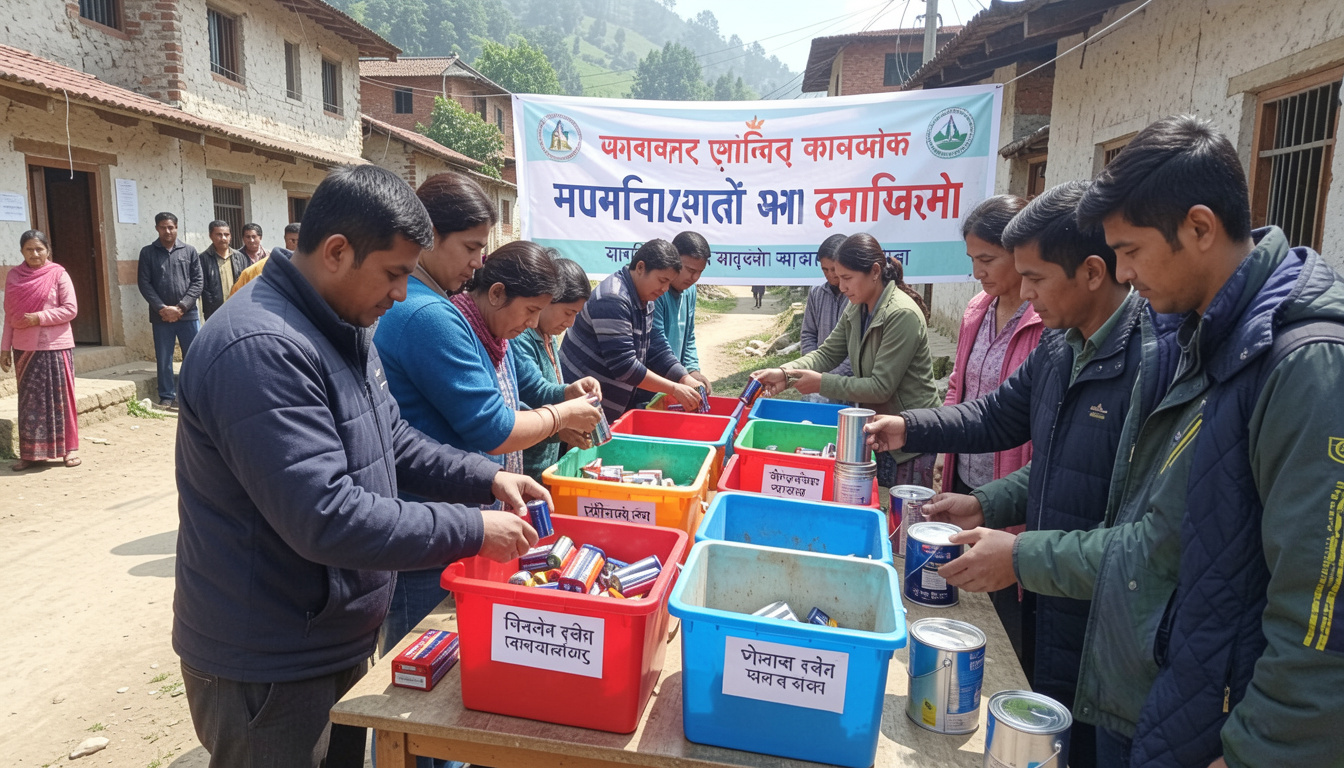
Every home keeps a few things that are useful in the cupboard but dangerous in the bin. A half-used tin of paint. A dead laptop battery. An old bottle of pesticide. The leftover motor oil from a bike service. These everyday items carry chemicals that can poison soil and water the moment they leak, and in most places that risk is real but diffuse.
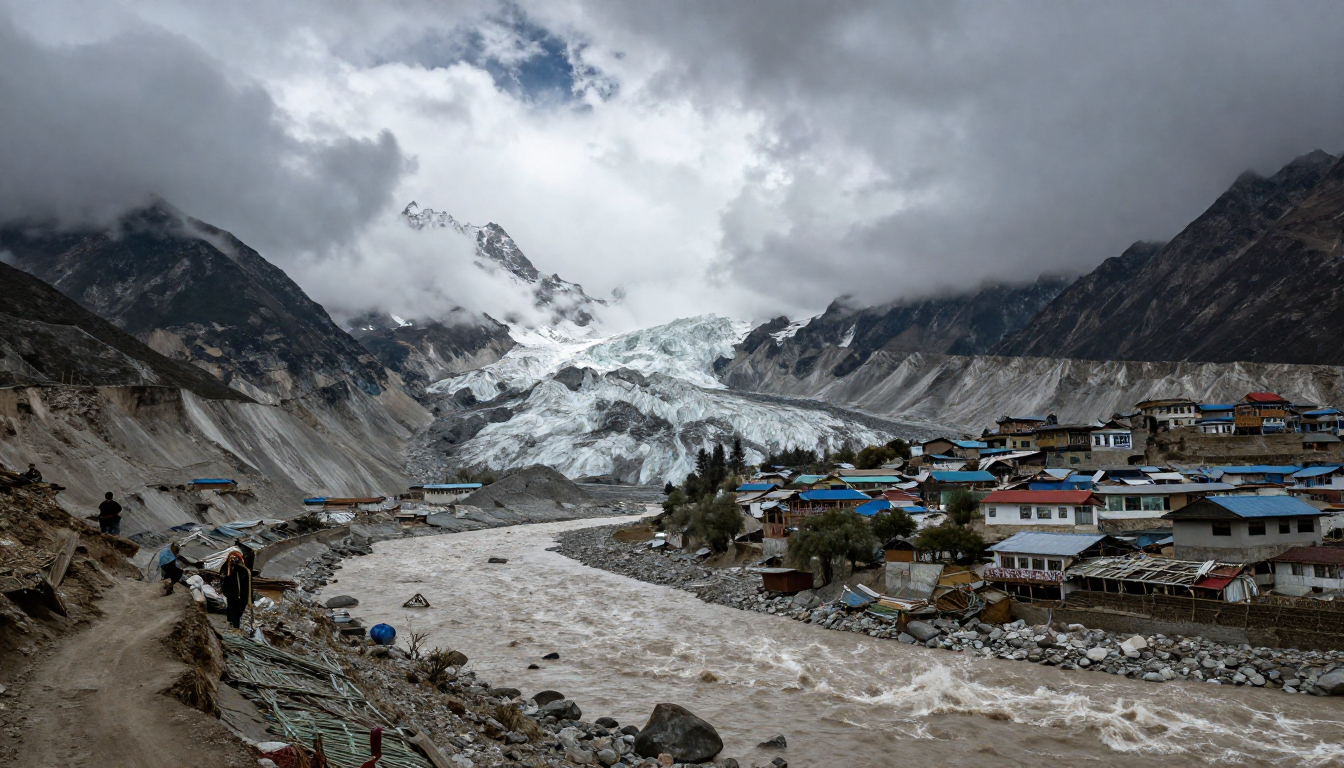
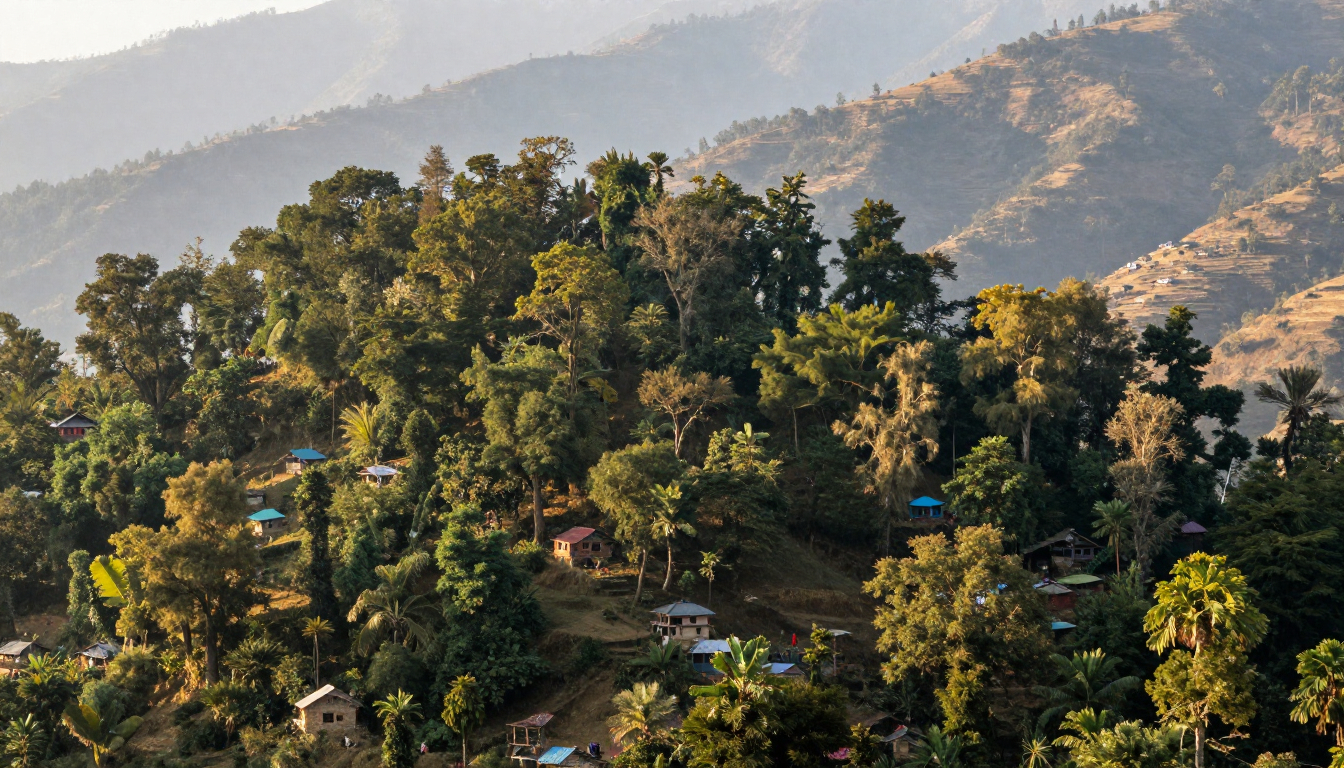
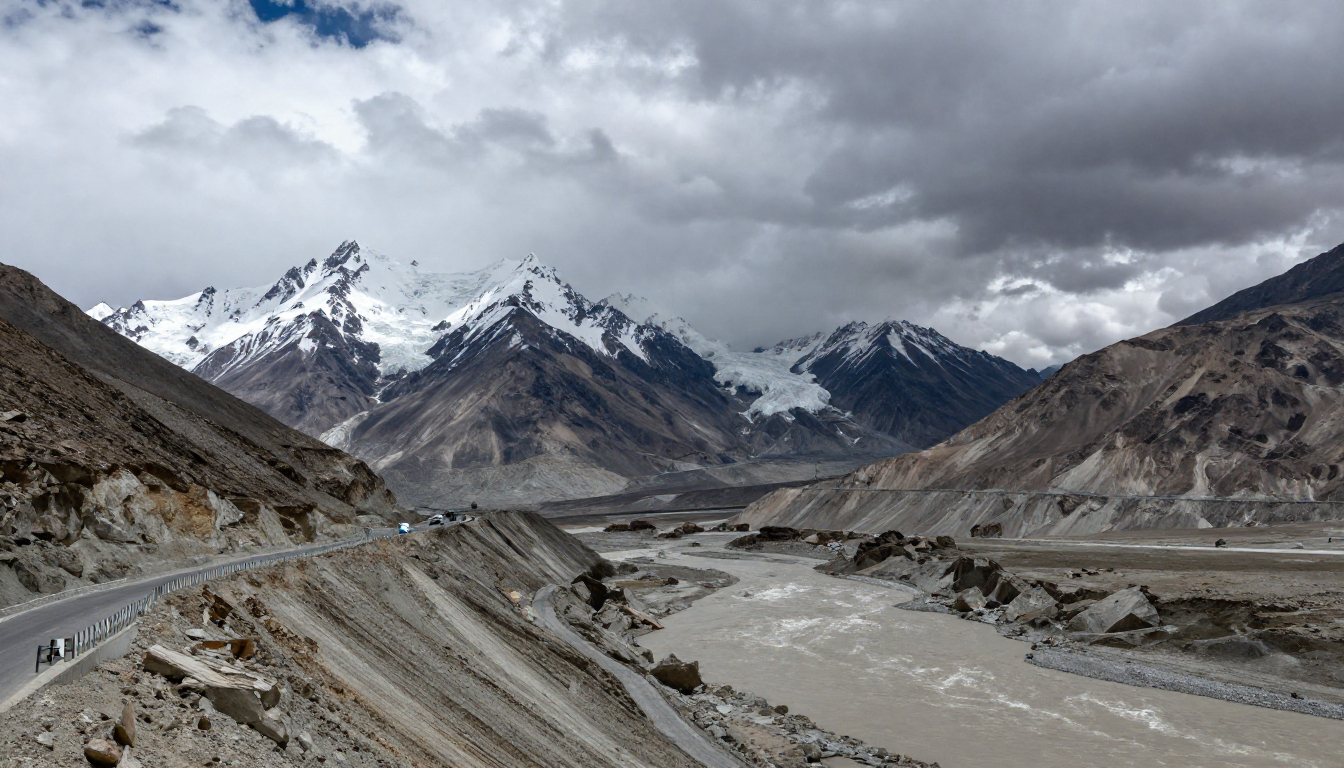
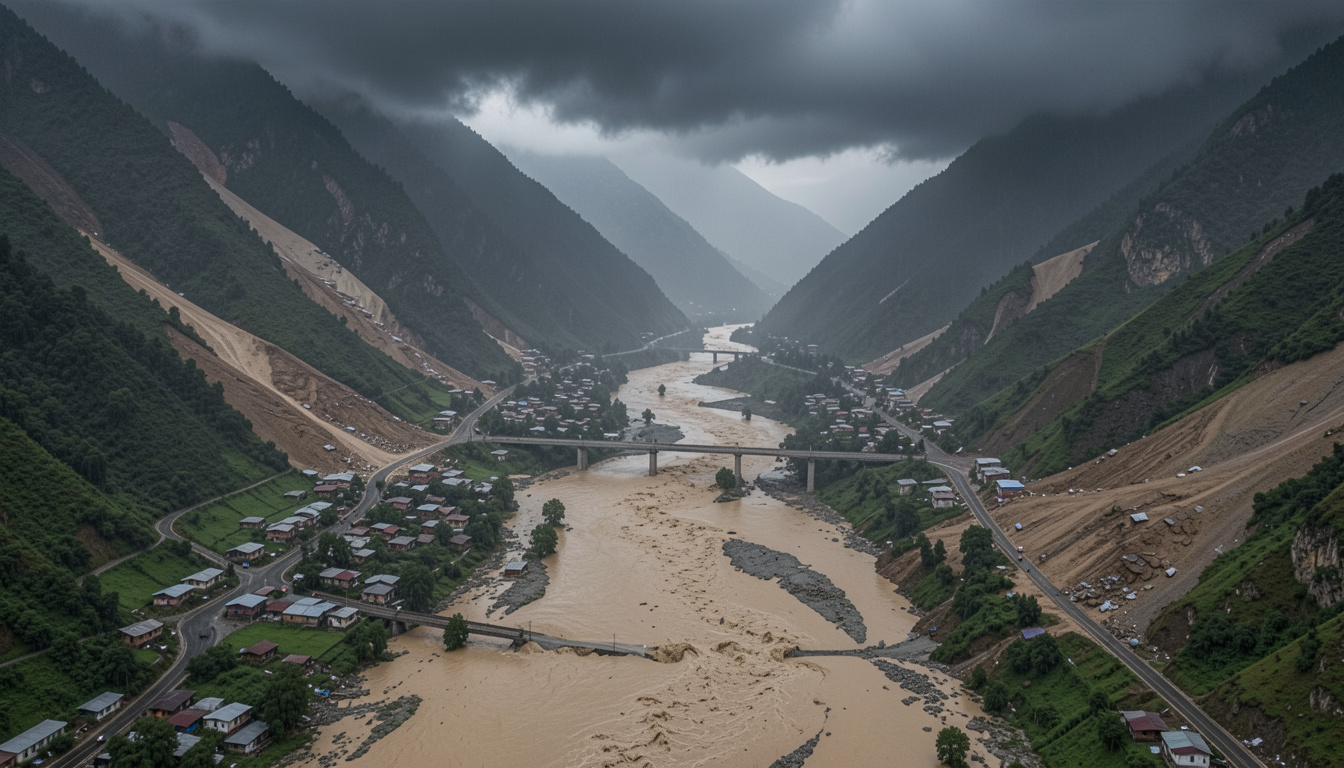
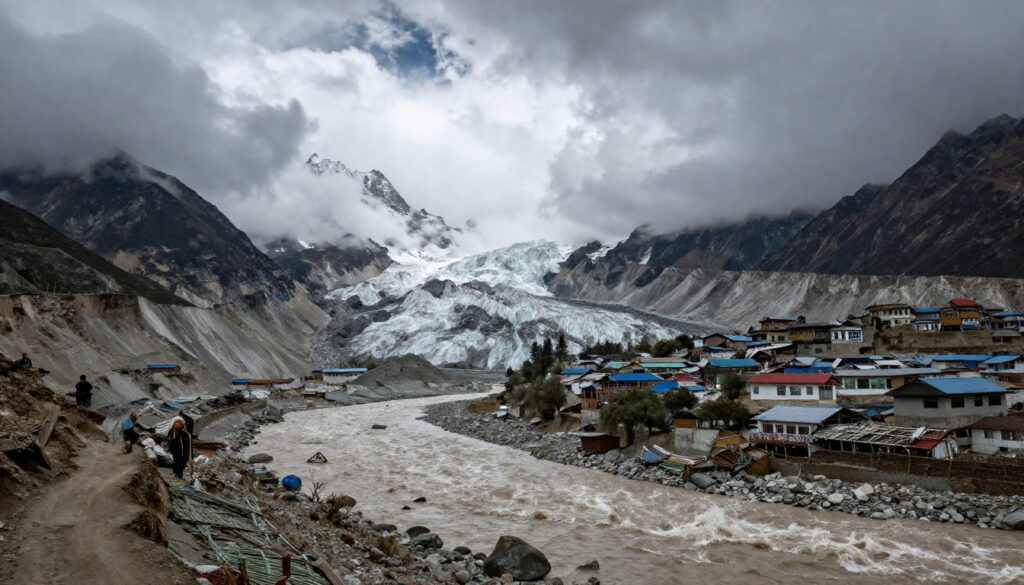
In Nepal’s Himalayas, the risk is sharpened by geography. Water runs fast down steep slopes, monsoon rains flush everything downhill, settlements are remote, and formal waste systems are thin or missing altogether. A choice made in a hillside kitchen or a trekking lodge doesn’t stay there. It travels through springs, streams, and rivers that feed farms, towns, and eventually some of the most heavily populated river basins on Earth. Caring for that water starts with how we handle the small, toxic things at home.
This guide explains what household hazardous waste is, why the mountains demand extra care, and how households, lodge owners, and trekkers can store, reduce, and dispose of it responsibly.
What counts as household hazardous waste?
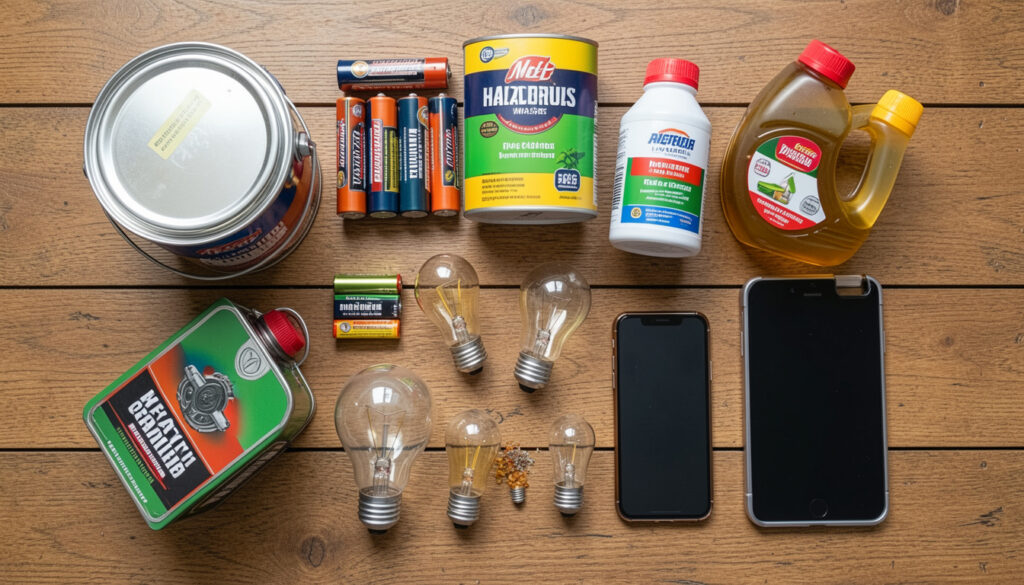
Household hazardous waste (HHW) is any everyday product that is toxic, flammable, corrosive, or chemically reactive. It hides in ordinary places — under sinks, in garages, in lodge storerooms — and is easy to forget until it becomes a hazard.
Common examples include:
- Paints, thinners, varnishes, and wood stains
- Pesticides, herbicides, and rodenticides
- Motor oil, antifreeze, brake fluid, and other vehicle fluids
- Solvents, adhesives, and wood preservatives
- Strong cleaners such as drain openers and bleach
- Fluorescent tubes, CFL bulbs, and anything containing mercury
- Batteries, especially lithium-ion and lead-acid types
- Electronic waste — phones, chargers, and small appliances
- Nail polish remover (acetone) and some cosmetics
None of these belong in the regular trash, and none should be buried, burned, or tipped down a drain.
Why the Himalayas demand extra care
Improper disposal is a problem anywhere, but in the mountains a few local factors turn small mistakes into lasting damage.
Water contamination. Chemicals that seep into the ground don’t sit still on a steep slope. They move quickly downhill into springs, streams, and groundwater — the same sources people drink from and use to irrigate crops. In fractured, rocky mountain terrain, a spill in one village can surface in the water supply of another.
Soil and ecosystem harm. Many of these substances are persistent, meaning they linger for years. They damage the soil microbes that keep farmland fertile and poison the plants, fish, and aquatic life in rivers and lakes that downstream communities depend on.
Fire and injury. Lithium batteries thrown into mixed waste have sparked fires in collection trucks and dumps around the world, and flammable liquids raise the risk of fire in homes, lodges, and storerooms.
Human exposure. Children, porters, trekkers, and sanitation workers can come into direct contact with corrosive or toxic material when it is dumped carelessly — often without gloves or any warning that it is dangerous.
Thin infrastructure. Remote settlements rarely have the facilities to handle hazardous material safely. Once it reaches an open dump, it can contaminate a site for a very long time.
For all these reasons, hazardous waste should never be mixed with ordinary household trash.
Store it safely before you deal with it
Whether you are a homeowner, a guesthouse operator, or a trekker packing out supplies, safe short-term storage prevents most accidents while waste waits for proper disposal.
A few simple storage rules go a long way:
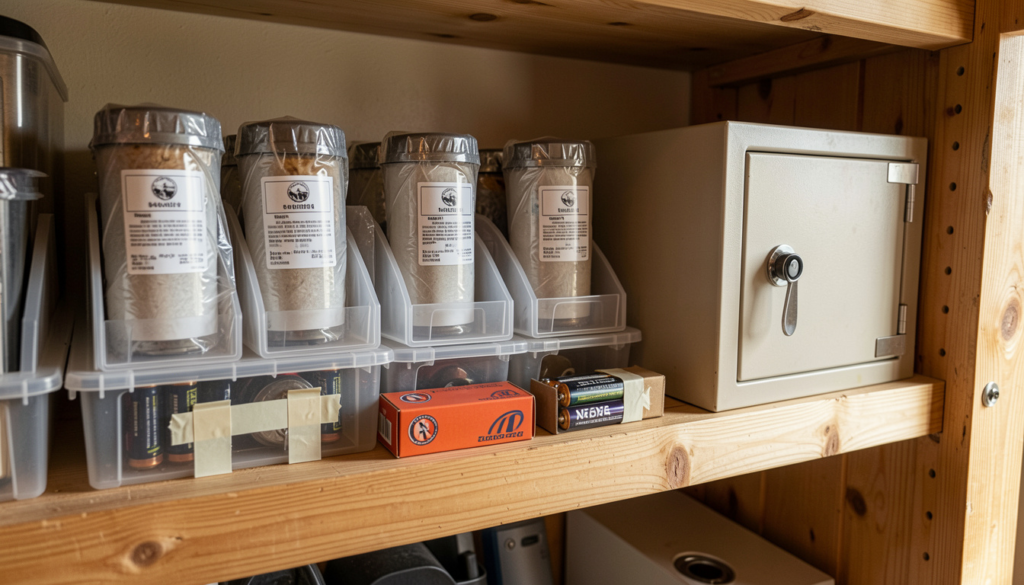
- Keep products in their original, labelled containers. If you must transfer something, mark the new container clearly with its contents and hazards.
- Seal lids tightly and stand containers upright inside sturdy plastic bins or trays that can catch a leak.
- Store everything in a cool, dry, shaded spot, away from direct sun, heat, or open flame.
- Keep hazardous items out of reach of children and animals — a locked cabinet or high shelf works well in a lodge.
- Never store incompatible chemicals together. Acids and alkalis, or bleach and ammonia, can react dangerously.
- For batteries, cover the exposed terminals with tape and keep them apart from anything flammable.
Handling matters as much as storage. Wear gloves, and add goggles or a mask when needed, working in a well-ventilated space. Avoid skin contact and never breathe in fumes on purpose. If something spills, clean it up straight away with an absorbent material such as sand or cat litter, then bag the contaminated material and set it aside for proper disposal.
The best disposal is less disposal
The most climate-friendly waste is the waste you never create. Reducing hazardous products at the source is cheaper, safer, and far kinder to the mountains than any disposal method.
Try these habits when you shop and use products:
- Buy smaller quantities so you aren’t left with leftovers. Lodges and trekking groups should match supplies to what they actually expect to use.
- Reach for safer alternatives. Vinegar and baking soda handle a surprising amount of cleaning; traps and physical barriers control many pests; water-based paints are far less harmful than oil-based ones.
- Finish what you have before buying more, and pass usable leftovers to neighbours, lodges, or community groups instead of throwing them out.
- Choose products labelled non-toxic or biodegradable, or carrying a recognised eco-label, whenever you can.

Where to take hazardous waste in Nepal
Infrastructure varies a lot across the country, so the right option depends on where you are. When in doubt, ask your municipal office, ward office, or lodge manager before you set out.
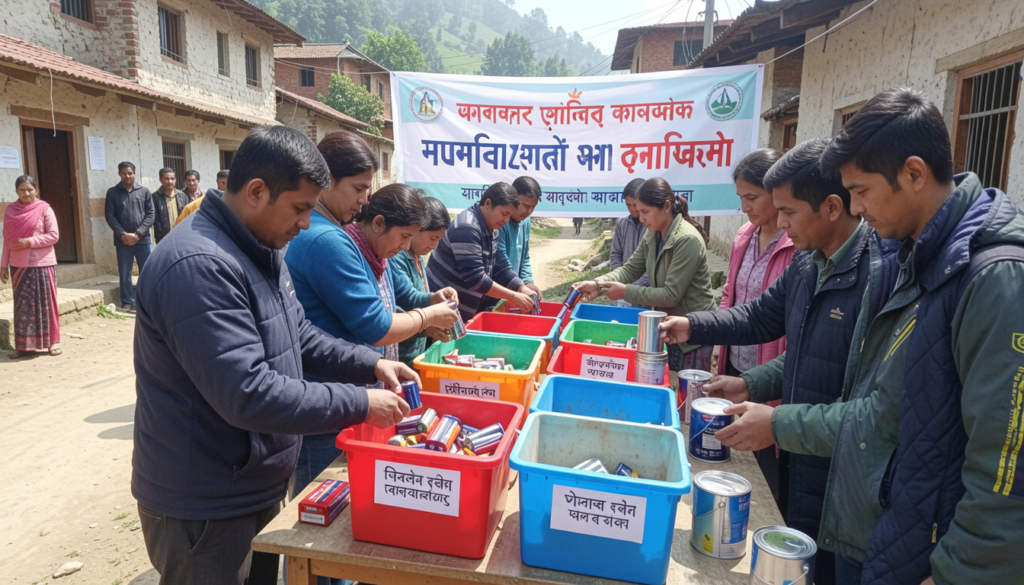
Municipal hazardous-waste programmes. Many municipalities run recycling or hazardous-waste collection, and some urban centres have permanent drop-off points. Call ahead or check the municipality or ward office for accepted items, schedules, and any preparation they require — such as taping caps or keeping labels intact. In some districts, periodic collection camps take items like motor oil, paint, and pesticides; bring small volumes to these.
Retail take-back and service points. Electronics shops, mobile service centres, and dedicated e-waste recyclers in cities often accept batteries, phones, and chargers. Auto-parts stores and mechanics commonly take used motor oil and vehicle batteries for recycling, and some hardware or paint shops accept leftover paint or can advise you on hardening and disposing of small amounts.
Licensed recyclers and waste processors. In larger centres such as Kathmandu, Pokhara, and Bharatpur, licensed recyclers handle a range of hazardous and electronic waste. If you live in a city or can transport waste there, these facilities are the safest destination.
Community collection events. Local NGOs, schools, and municipal offices often organise seasonal collection drives. Take part, and encourage nearby guesthouses to do the same. Lodges can pool their small volumes and arrange periodic transfer to a municipal point, which cuts down on trips and keeps hazardous material out of the local dump.
A quick guide to common items
- Paint: Use it up or donate usable cans to schools or community projects. Harden small leftovers with cat litter or sawdust, double-bag them, and take them to a collection point. Never pour paint down a drain.
- Motor oil: Store it in a sealed, labelled container and drop it at an auto shop or municipal event. Recycling keeps it out of rivers and soil.
- Batteries: Collect them separately, tape the terminals on lithium cells, and take them to an electronics shop or collection point. Keep them out of regular bins.
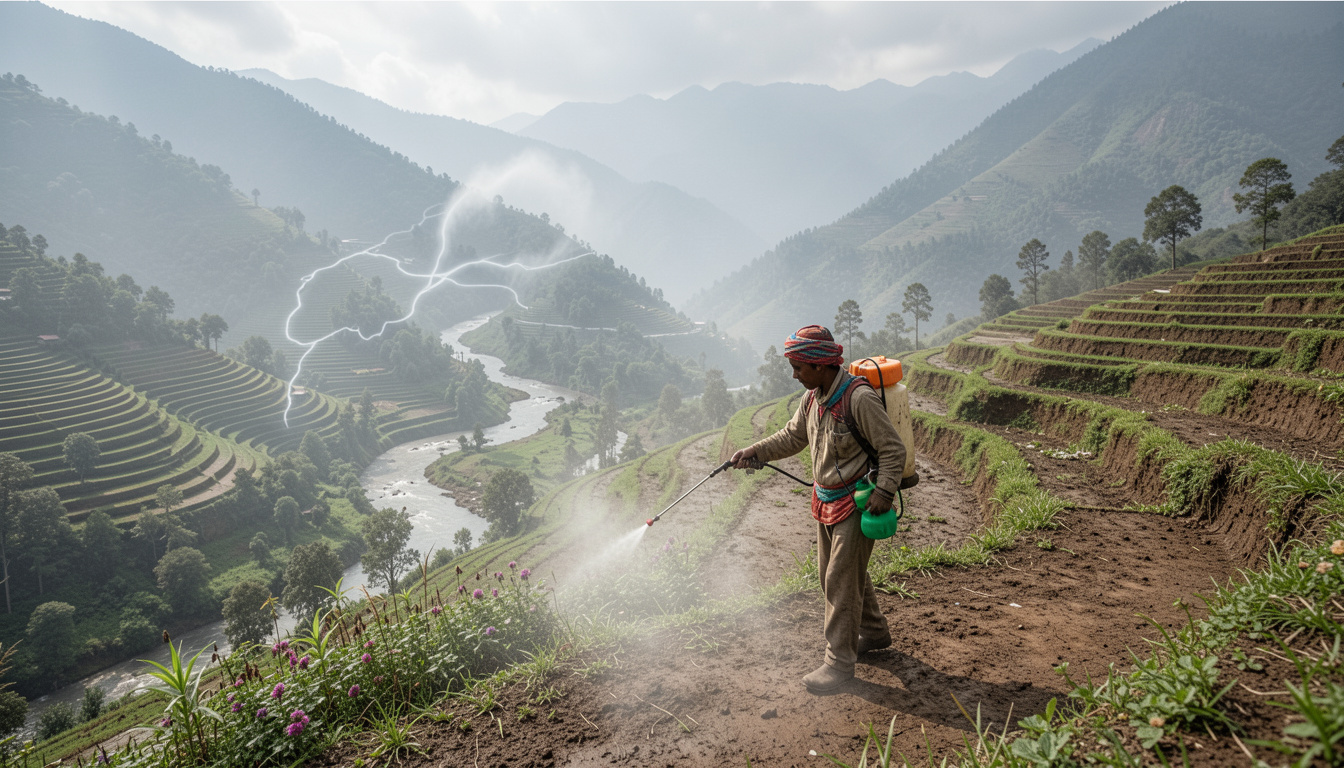
- Pesticides and herbicides: Follow the label’s disposal instructions, use a retailer take-back if one exists, or deliver them to a municipal collection. Never tip them onto soil or into water.
- Fluorescent tubes and CFLs: Handle them gently to avoid breaking the glass, then take them to a municipal collection or retailer take-back for mercury-safe recycling.
- Small e-waste: Remove and store the batteries separately, then hand the device to an authorised e-waste recycler or a retailer take-back programme.
What never to do
Some shortcuts feel convenient but cause serious harm:
- Pouring hazardous liquids down sinks, drains, or toilets.
- Burning plastics, treated wood, or chemical containers, which releases toxic fumes.
- Burying hazardous material, which lets it leach into groundwater.
- Mixing unknown chemicals together to “neutralise” them at home.
For trekkers and remote lodges
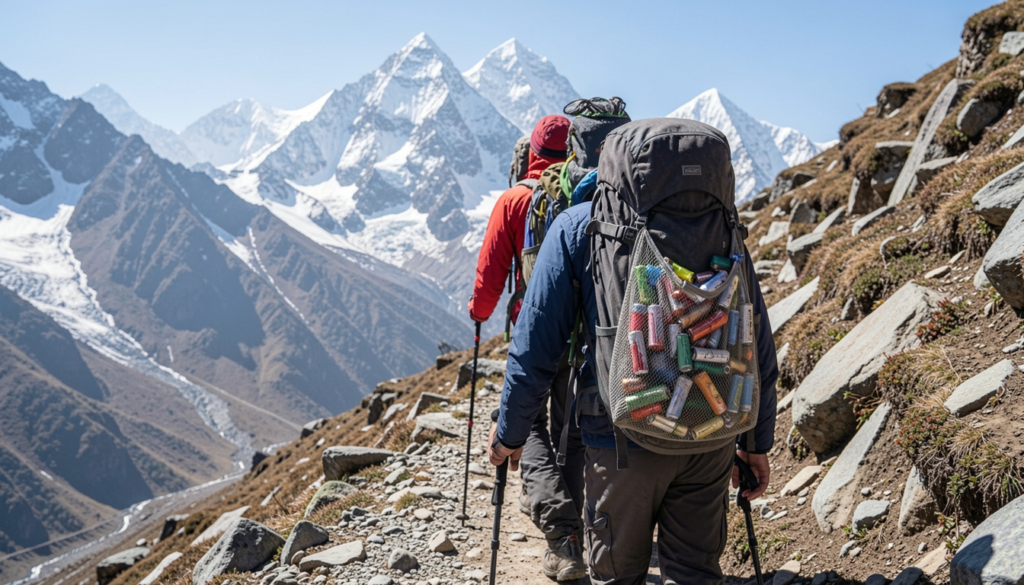
The mountains reward a simple principle: pack it in, pack it out. Trekkers should carry used batteries, empty chemical containers, and other hazardous items back to a town where they can be disposed of properly, rather than leaving them for a village with no facilities to handle them.
Lodges and guesthouses can help by keeping a small, secured HHW storage area and coordinating with local municipalities or trekking agencies for periodic removal. Just as important, train porters and staff in safe handling — and never accept mixed household waste on the assumption that it can simply be burned or buried further up the trail.
Timing around the monsoon
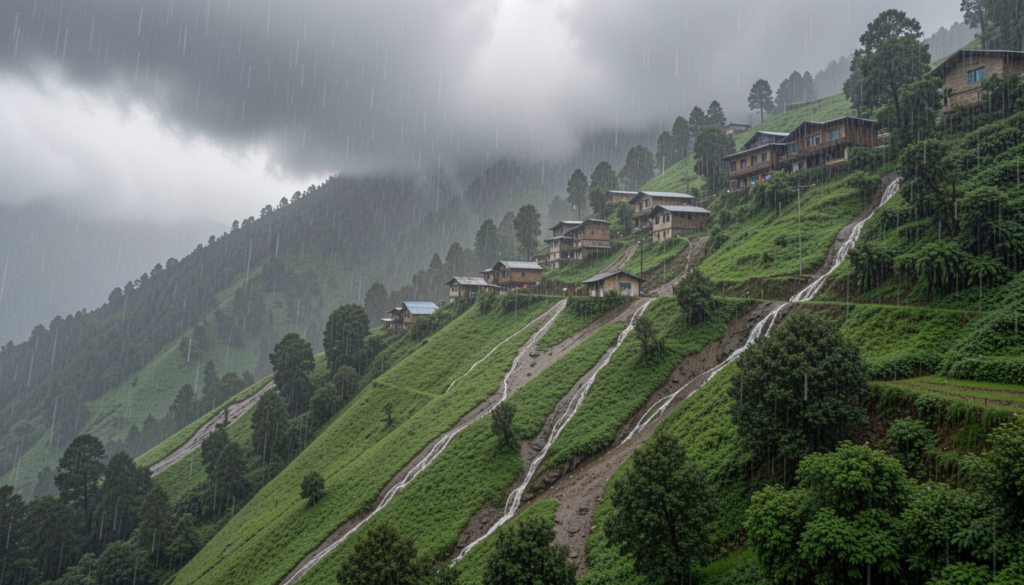
Heavy rain and flooding dramatically increase the risk of chemicals washing out of poorly stored waste and into waterways. A little planning ahead of the season prevents a lot of contamination.
Before the monsoon arrives, move hazardous materials to higher, safer ground and make sure containers are sealed. Avoid transporting them during peak floods — wait until roads and tracks are safe, or use a municipal collection event scheduled after the rains ease. Community drives held just before the monsoon are especially valuable, clearing hazardous material out of homes and lodges before the water starts moving.
From awareness to action
Small local efforts add up quickly. Awareness campaigns at schools, trekking offices, and lodging associations help people recognise hazardous waste and learn how to handle it. Working with municipalities to set up regular collection events and clear guidance gives households and trekkers somewhere reliable to turn.
Communities can also push shops to adopt take-back programmes and stock less-toxic product lines, report illegal dumping when they see it, and talk openly with neighbours about the long-term cost of doing nothing. Protecting a shared watershed is, by definition, a shared job.
A simple checklist
- Label and separate hazardous items from your regular waste.
- Tape battery terminals and store batteries apart.
- Switch to smaller bottles and eco-friendly alternatives where you can.
- Ask your ward office or municipality about collection events.
- Take hazardous waste to retailers, auto shops, or licensed recyclers in urban centres.
- Never burn, bury, or pour hazardous waste.
Final thoughts
In the Himalayas, household decisions ripple downhill. Careful storage, lighter use, and correct disposal of hazardous waste protect the springs and rivers that mountain families rely on, the trekkers passing through, and the millions of people living in the valleys and plains below. None of it requires heroic effort — just a habit of buying less, storing safely, and planning where things go when they’re done.
Encourage your household, your guesthouse, your trekking group, and your municipality to take these steps. The health of the Himalayan environment depends on many small hands, and yours is one of them.