 Nirajan Dahal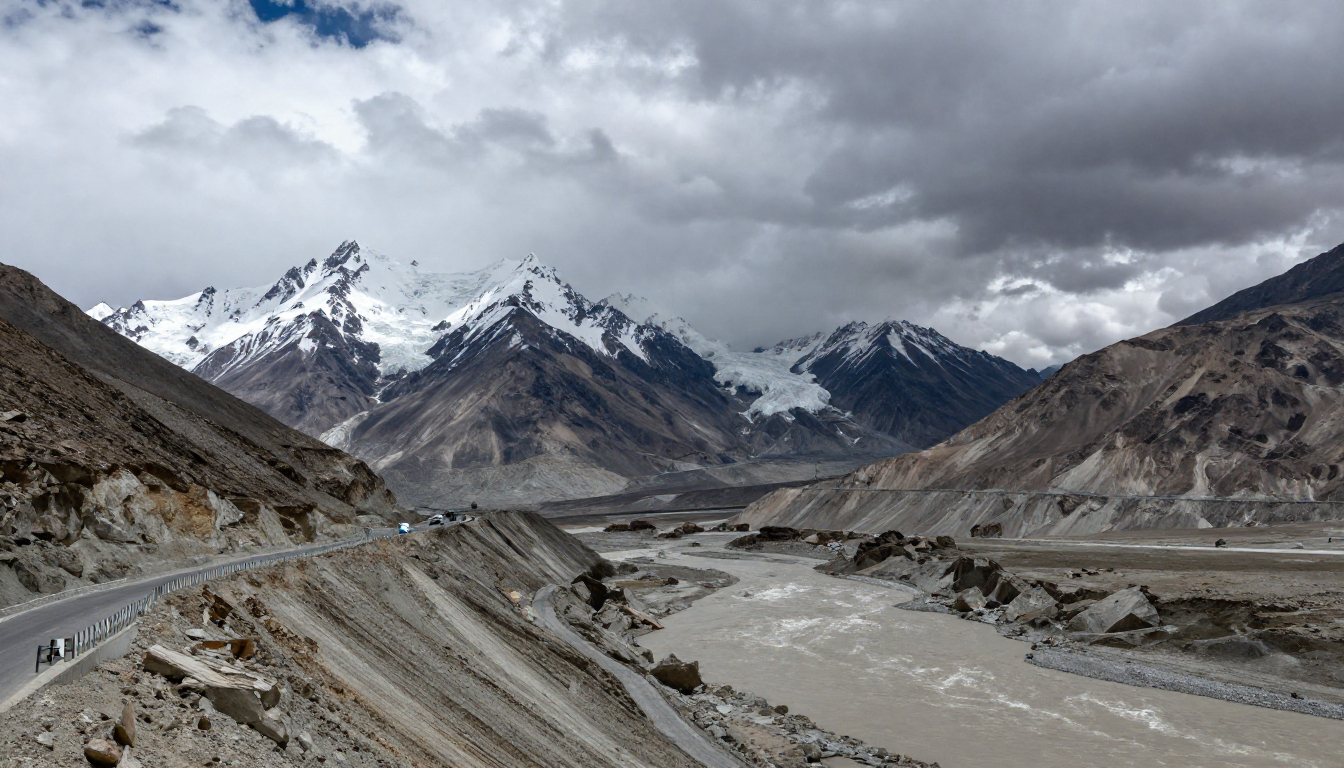
The Himalayan region is entering 2026 under growing climate pressure. New reports released this week show that snow cover across the Hindu Kush Himalaya has dropped sharply, temperatures are expected to stay above normal in several mountain regions, and risks of floods and landslides are increasing across Nepal and nearby Himalayan areas. Together, these developments are showing one worrying reality: the mountains are becoming less stable, and millions of people depending on them are facing a more uncertain future.
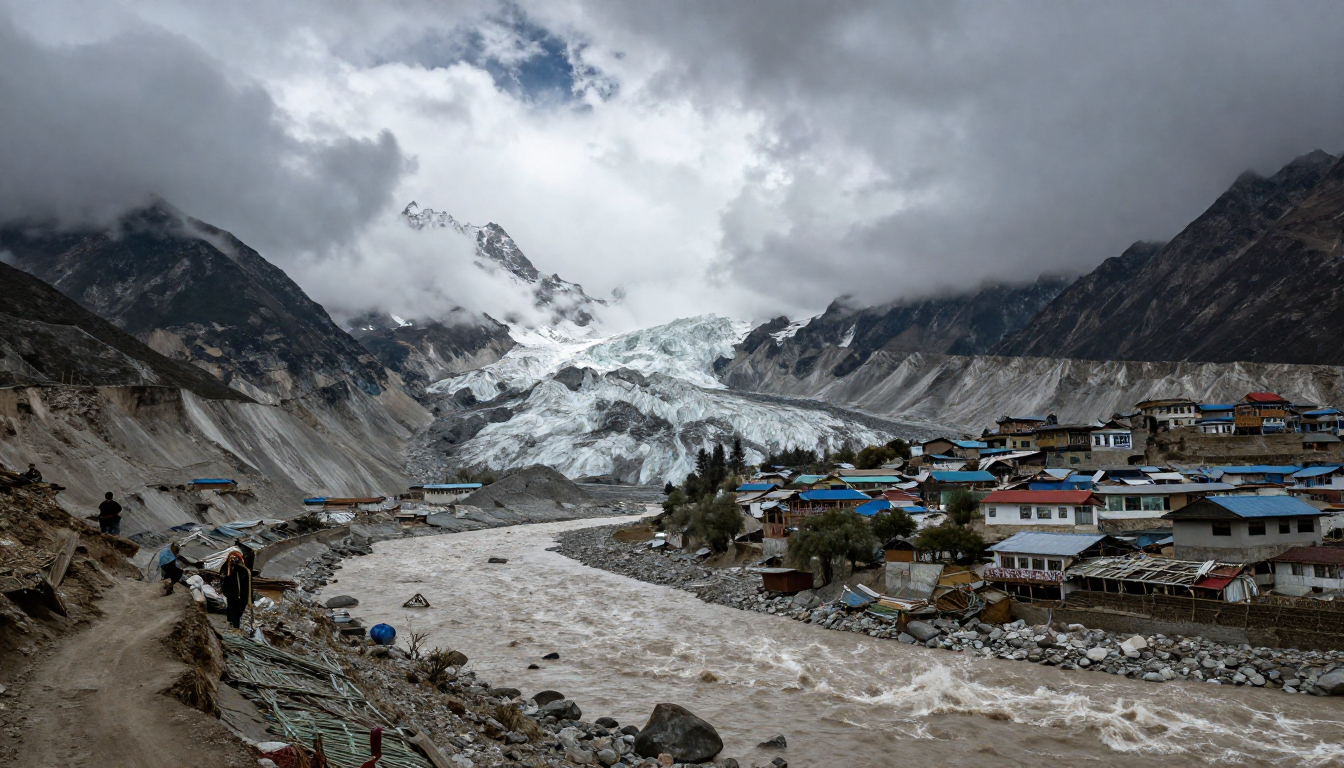
One of the biggest climate developments this week comes from the latest HKH Snow Update 2026 published by International Centre for Integrated Mountain Development. According to the report, snow persistence across the Hindu Kush Himalaya fell by 27.8% below the long-term average between November 2025 and March 2026. The report also says this is the lowest snow level recorded in the last 24 years and the fourth consecutive year of below-normal snowfall.
This is not only a scientific concern. It is directly connected to the daily lives of millions of people living downstream from the Himalayas.
The Himalayan snowpack works like a natural water storage system. During winter, snow accumulates in the mountains and slowly melts during spring and summer, feeding rivers across Nepal, India, Pakistan, Bhutan, and Bangladesh. This water supports agriculture, hydropower generation, drinking water supplies, and ecosystems across South Asia.
But when snowfall remains far below normal, the effects begin appearing much earlier than expected. River flows may weaken before monsoon season arrives, groundwater dependency increases, and dry months become more difficult for farming communities. ICIMOD says that many major river basins in the region are already seeing below-normal snow conditions, raising concerns about drought risks and long-term water stress in coming months.
For Nepal and the wider Himalayan belt, climate change is no longer arriving in only one form. It is arriving both as water scarcity and as disaster risk at the same time.
While some mountain communities may struggle with lower water availability and drying agricultural land, other areas are facing increasing threats from floods, landslides, and glacial lake outburst floods. This dangerous combination is making the Himalayan region one of the most climate-vulnerable areas in the world.
Another major concern this week is the forecast for a hotter-than-normal summer across India’s mountain regions in 2026. Weather outlooks are predicting above-normal daytime and night-time temperatures across many hilly regions, including Jammu & Kashmir, Himachal Pradesh, Uttarakhand, northeastern states, and parts of the Himalayan belt.
For regions already facing low snow cover, higher temperatures can create additional pressure. Faster snowmelt reduces the amount of water naturally stored in mountains, soils dry faster, and wildfire risks may increase. Hotter conditions can also create health problems for vulnerable communities living in remote mountain areas.
In the Himalayas, climate impacts usually do not happen separately. One problem often makes another problem worse.
A warmer season can destabilize mountain slopes. Then when heavy rainfall arrives during monsoon, the chances of landslides and flash floods becomes much higher. Nepal has already seen repeated examples of this pattern over recent years.
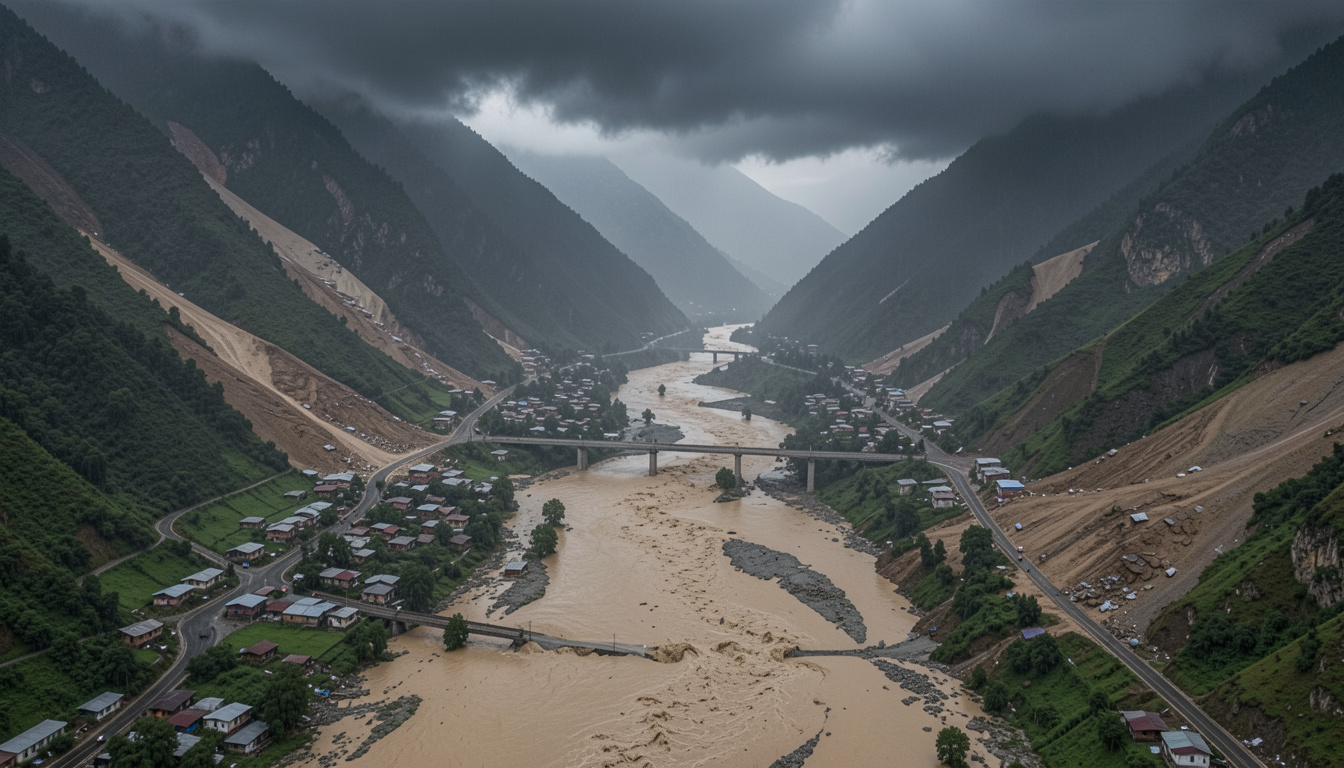
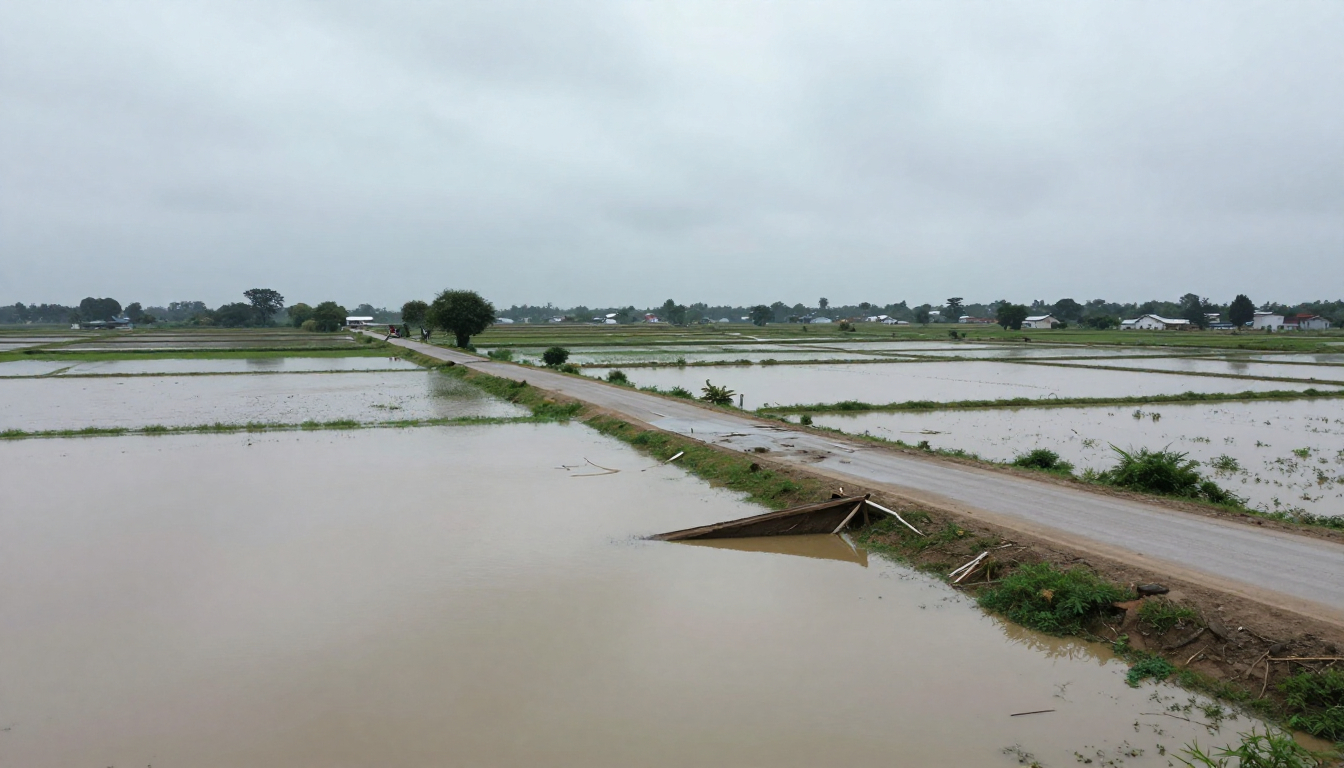
Recent reports from Nepal are also highlighting increasing flood and landslide threats connected to heavy rainfall, fragile geology, and glacial lake risks. Scientists and disaster experts are warning that climate change is not only reducing snow cover but also making mountain landscapes more unstable and dangerous.
For many communities, the biggest fear is no longer a single disaster event. The concern is now about chain reactions — warmer temperatures, unstable slopes, sudden heavy rain, floods, road destruction, crop losses, displacement, and economic damage happening together within a short period of time.
This situation carries serious economic consequences for Nepal.
Agriculture in many hill districts still depends heavily on predictable seasonal water supply. Hydropower projects rely on stable river flow and safe infrastructure. Trekking and tourism industries, which are extremely important for Nepal’s economy, depend on stable weather conditions, safer trails, and healthy mountain ecosystems.
When all of these systems face pressure at the same time, the impact spreads beyond mountain communities and affects the country as a whole.
The broader message from this week’s climate developments is becoming difficult to ignore. The Himalayan region is warming faster, snow levels are declining, disaster risks are rising, and water systems are becoming less predictable every year.
Snow loss in the Himalayas is no longer just an environmental issue discussed by researchers. It is becoming a direct threat to water security, food production, energy systems, livelihoods, and disaster resilience across South Asia.
The Himalayas are often called the “Water Tower of Asia.” But with weaker snow seasons continuing year after year, that water tower is slowly becoming less reliable.