 Nirajan Dahal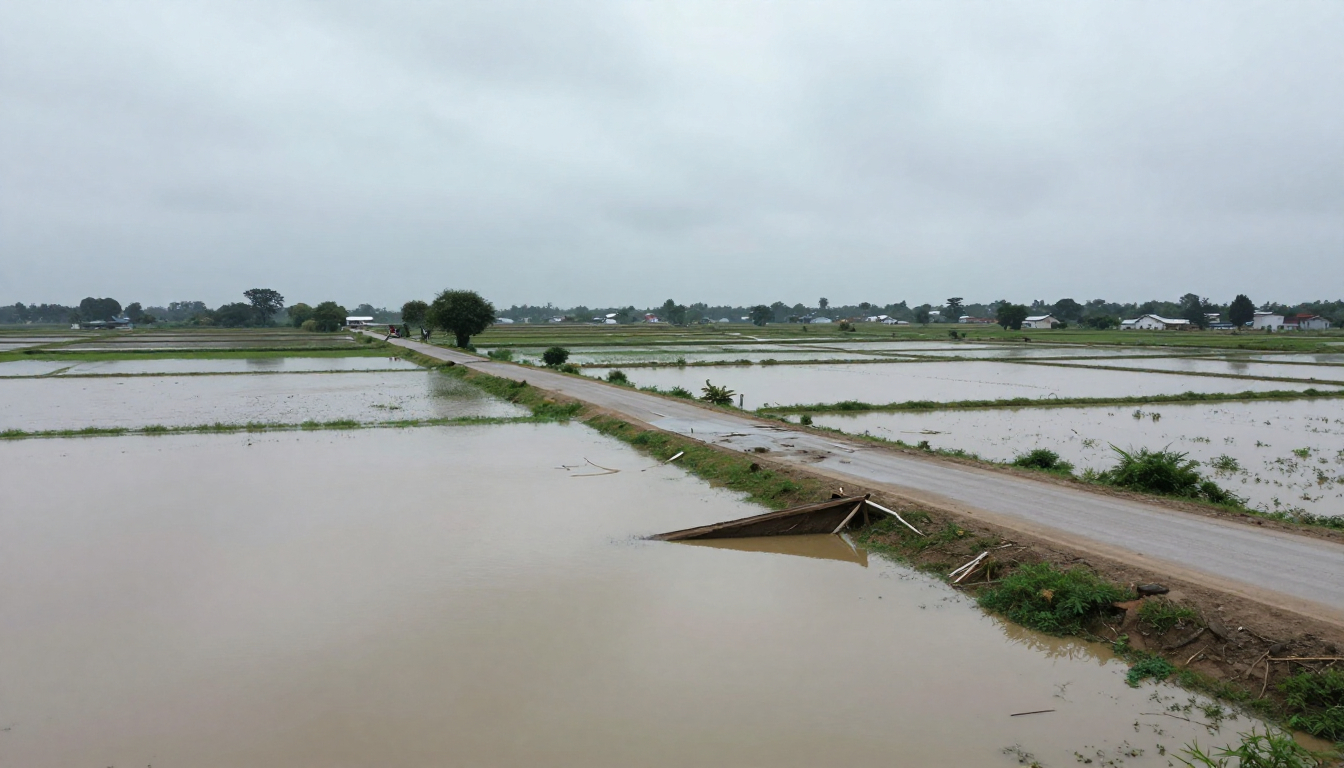
Monsoon disasters across South Asia are often measured in lives lost. Yet the economic impact of monsoon disasters is equally devastating, costing countries billions each year.
In recent years, floods, landslides, and storm-related disruptions linked to the monsoon have caused losses running into tens of billions of dollars annually. The year 2025 alone stands out — not because it was unprecedented, but because it reflected a pattern that is becoming familiar.
Major Monsoon-Related Losses in 2025
| Event | Region | Deaths | Estimated Economic Loss | People Affected |
|---|---|---|---|---|
| India–Pakistan monsoon floods (Aug–Sep 2025) | India, Pakistan | 1,860 | ~$5.6 billion | Millions displaced |
| Cyclones + monsoon systems (Ditwah, Senyar) | SE & South Asia | 1,600+ | ~$25 billion | Millions |
| Overlapping storms & monsoon rains (Nov 2025) | Multi-country Asia | — | >$30 billion | ~11 million |
Across the Asia–Pacific region, total losses from natural disasters in 2025 reached approximately $76 billion, with monsoon-linked events accounting for a significant share.
What distinguishes these losses is not just their size, but their concentration in regions where recovery capacity is limited.
India and Pakistan: Floods and System Stress
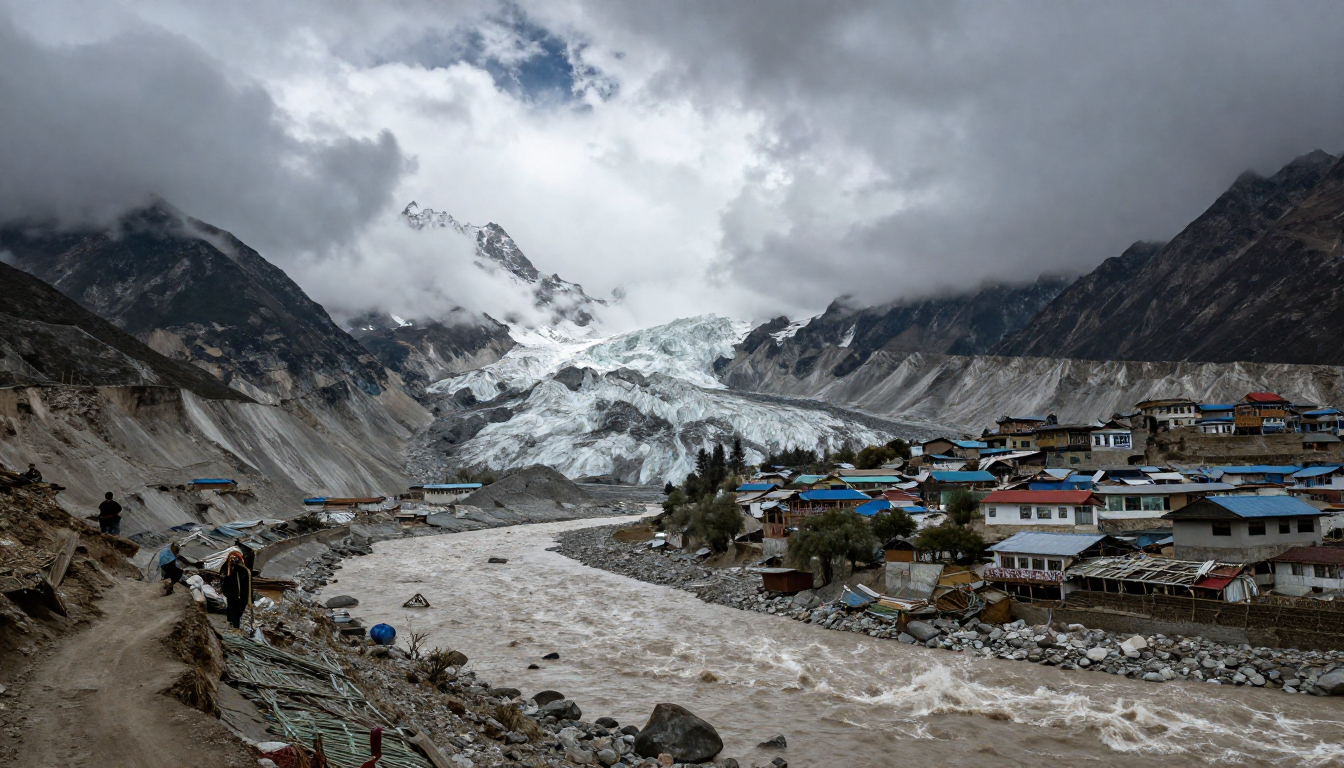
The deadliest climate-related event of 2025 occurred during the August–September monsoon period in northern India and Pakistan.
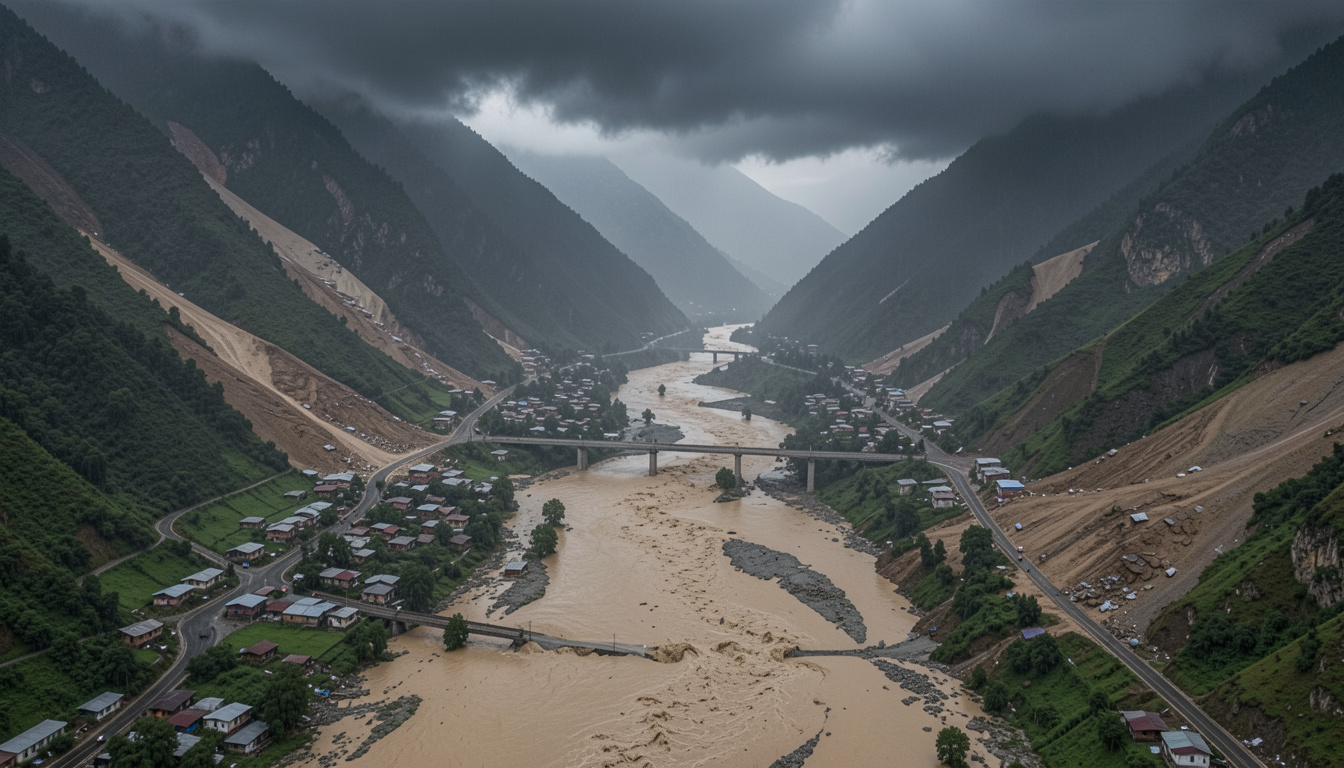
Exceptionally heavy rainfall in Himachal Pradesh and Jammu–Kashmir triggered landslides, damaged roads, and forced emergency releases from reservoirs. Downstream flooding followed, affecting urban settlements, farmland, and power infrastructure.
Beyond the immediate damage, secondary losses mounted:
- disrupted hydropower generation
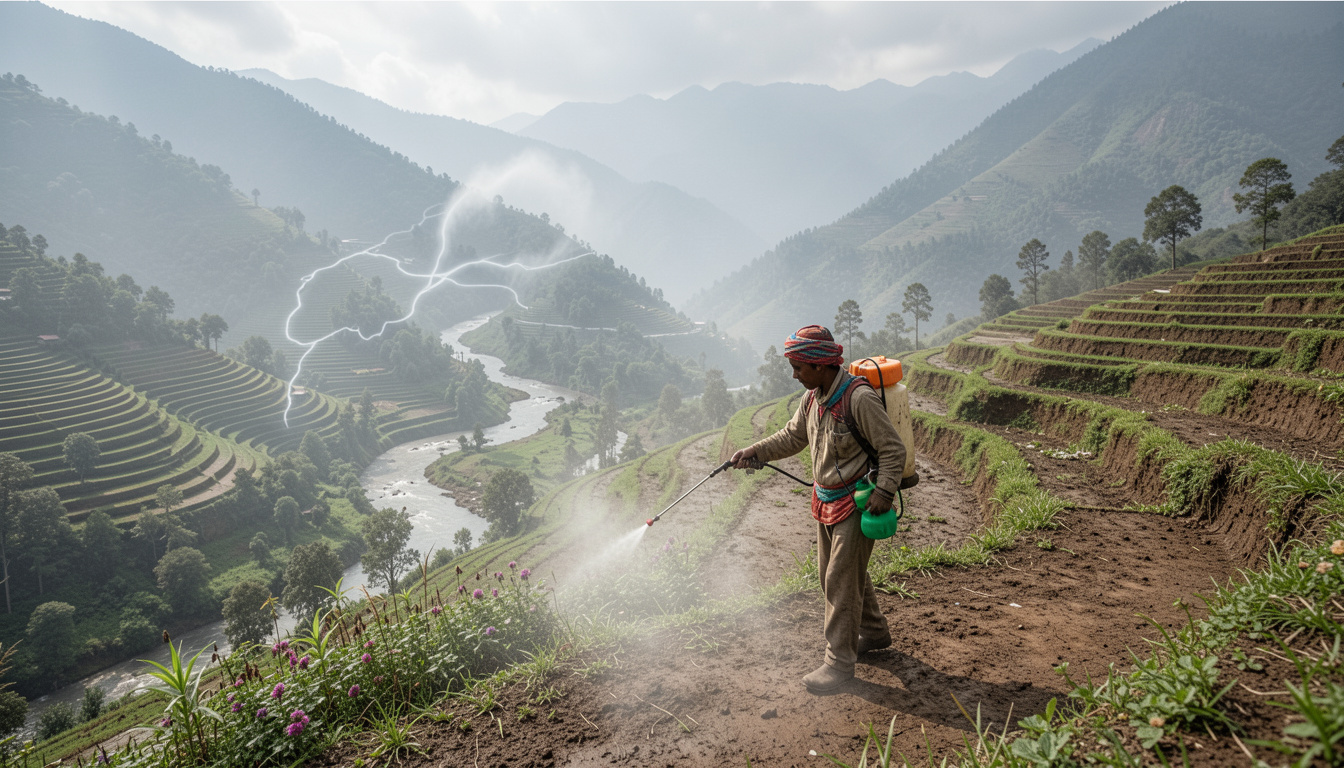
- delayed agricultural cycles
- damaged highways and bridges critical for regional trade
The estimated $5.6 billion in losses reflects only direct damage. Indirect economic effects are likely higher.
Nepal: Smaller Scale, Deeper Impact
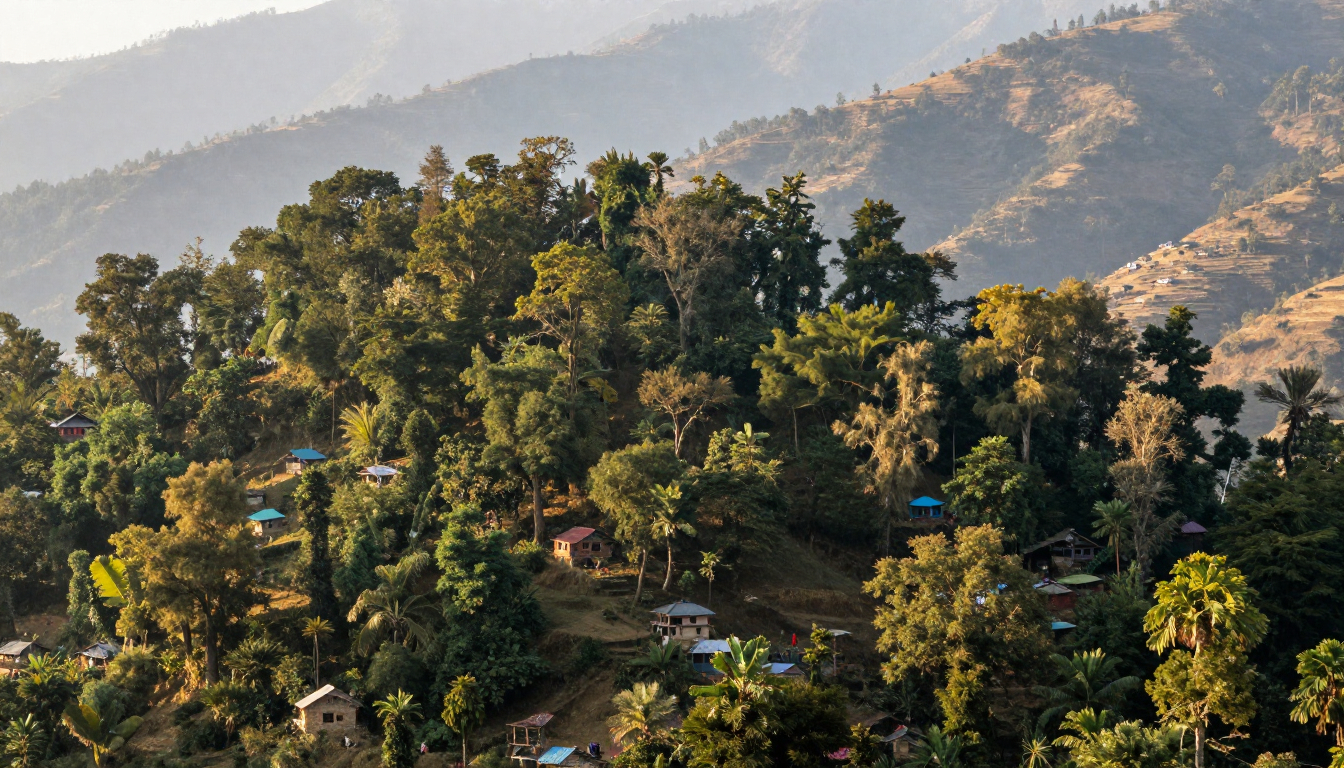
Nepal’s losses rarely appear large in regional totals, but they carry outsized domestic consequences.
| Indicator | Estimated Impact |
|---|---|
| Late-monsoon damage (Sep 28–29, 2024) | Rs 17 billion (~$127 million) |
| Crop losses alone | ~Rs 6 billion |
| Estimated GDP impact | Up to 1% (~Rs 57 billion) |
Late-season rains damaged crops close to harvest, washed out sections of highways, disrupted irrigation canals, and increased sediment loads in hydropower facilities.
For an economy where agriculture and hydropower remain central, repeated monsoon damage compounds over time — delaying development rather than reversing it.
Bangladesh and the Lower Basin
In Bangladesh, monsoon flooding during May–June 2025, combined with upstream flows from India, inundated districts such as Sylhet and Sunamganj.
While full economic assessments were still pending, past flood patterns suggest losses in the billions of dollars, particularly in:
- rice production
- rural housing
- embankments and roads
In delta regions, even moderate floods can erase gains made over several years, especially where land elevation is low and drainage is slow.
Sri Lanka and the Wider Region
Sri Lanka’s 2024–25 monsoon floods damaged more than 100,000 hectares of paddy, tea, and rubber plantations. Preliminary estimates placed losses above $800 million, with longer-term impacts on export earnings and rural employment.
Across Southeast and South Asia, overlapping cyclones and monsoon systems displaced millions, stressing emergency response systems already stretched thin by repeated events.
Why the Costs Keep Rising
Several factors are pushing monsoon-related losses higher, even when rainfall totals appear normal.
| Driver | Effect on Economic Loss |
|---|---|
| Urban expansion | Higher damage concentration |
| Infrastructure exposure | Roads, dams, power lines at risk |
| Limited insurance coverage | Slow recovery, higher public burden |
| Repeated events | Compounding losses year to year |
In many South Asian countries, less than 10 percent of disaster-related losses are insured. The remaining cost is absorbed by households, governments, or left unrecovered.
The Case for Prevention
Early warning systems, floodplain management, and resilient infrastructure consistently show high returns on investment.
In India, disaster preparedness programs have demonstrated benefit–cost ratios as high as 50:1, largely by reducing fatalities and limiting asset damage. Similar gains are possible elsewhere, but funding gaps and coordination challenges persist.
Adaptation does not prevent the monsoon. It determines whether the monsoon becomes a setback — or a setback that societies can absorb.
Counting What Persists After the Water Recedes
Monsoon disasters rarely end when floodwaters retreat. Lost harvests affect food prices. Damaged roads delay trade. Power disruptions slow industry. For many households, recovery takes years, not months.
As climate variability increases, the economic cost of monsoon extremes is likely to rise further — not suddenly, but steadily. What is at stake is not only growth, but resilience: the ability of societies to withstand shocks without slipping backward each season.