 admin
admin
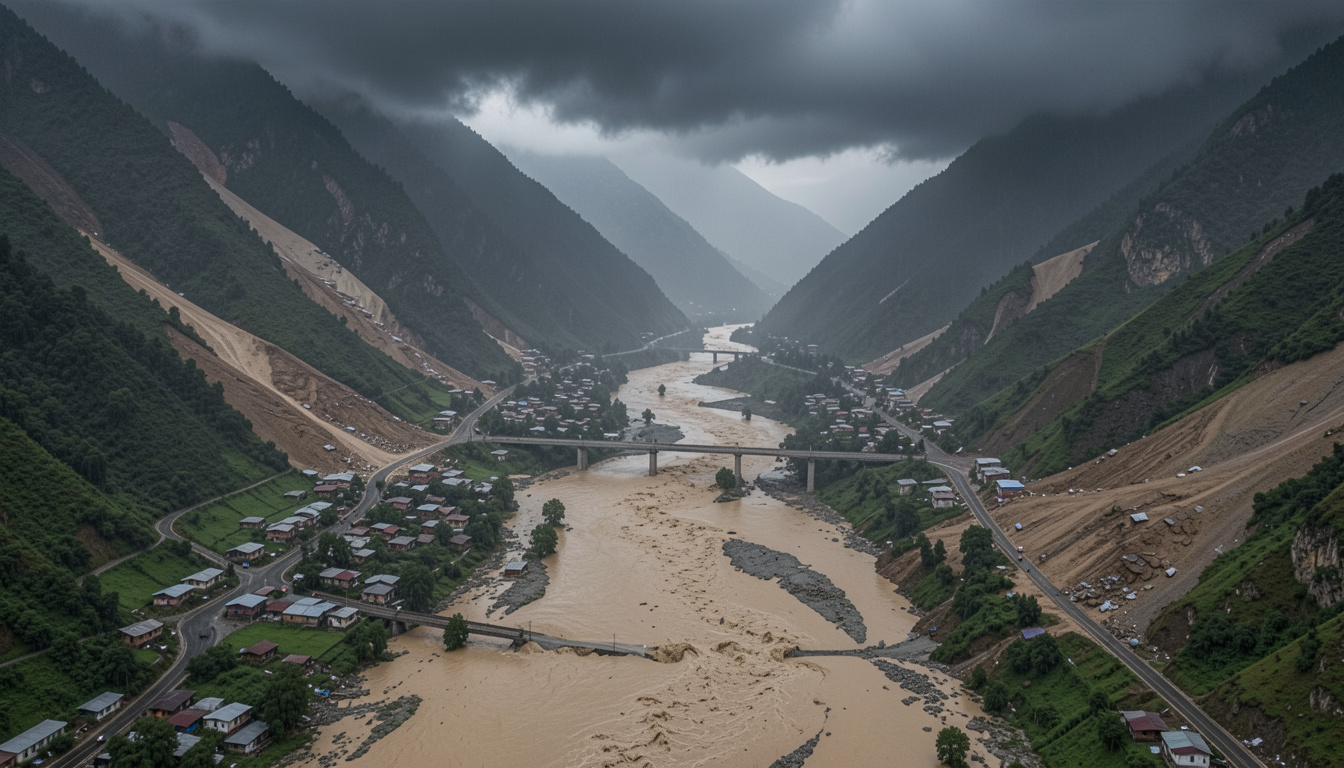
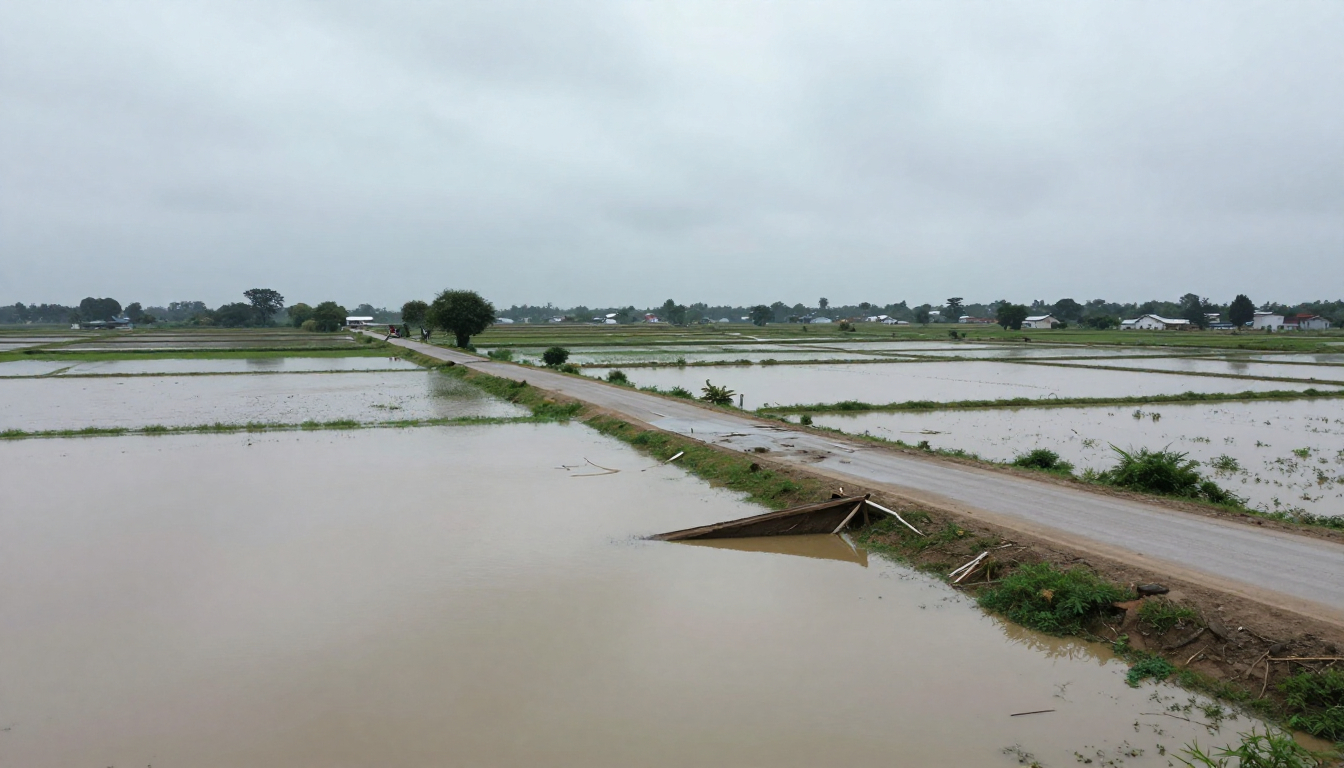
Nepal’s hills and valleys have long been home to hardworking farmers. Agriculture isn’t just a livelihood here – it’s a way of life. Yet, as the climate shifts and rainfall becomes unpredictable, farmers face increasing challenges. Soil erosion, water scarcity, and changing weather patterns threaten the crops that sustain communities. Amid these challenges, sustainable farming emerges as a beacon of hope, blending traditional wisdom with modern eco-friendly practices.
What Makes Farming Sustainable?
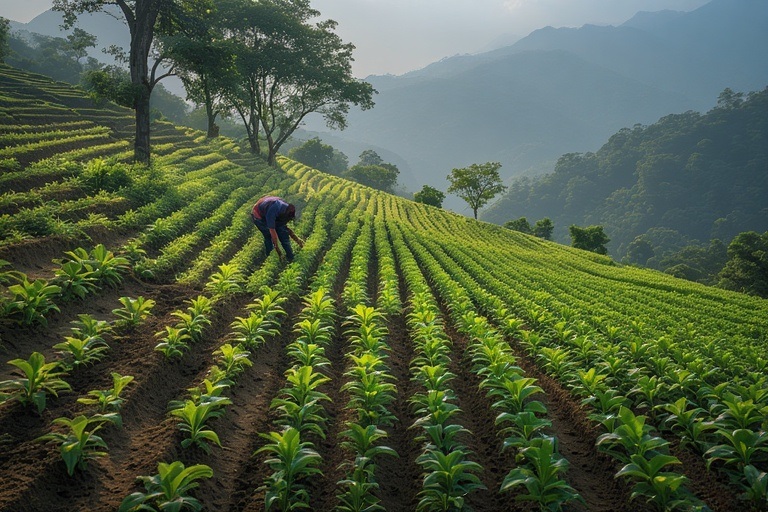
At its core, sustainable farming is about balance. It’s the art of growing crops in ways that protect the soil, conserve water, and respect the environment, while still supporting farmers’ livelihoods. Unlike conventional methods that rely heavily on chemical fertilizers and pesticides, sustainable practices work with nature rather than against it.
Practices Shaping Sustainable Farms in Nepal
Take a walk through a typical Nepalese hillside, and you’ll see practices that have been around for generations – now strengthened by research and innovation.
Organic Farming is one example. Farmers turn to compost and natural fertilizers instead of chemicals, which keeps the soil alive and healthy. The vegetables taste fresher, and families stay healthier too.
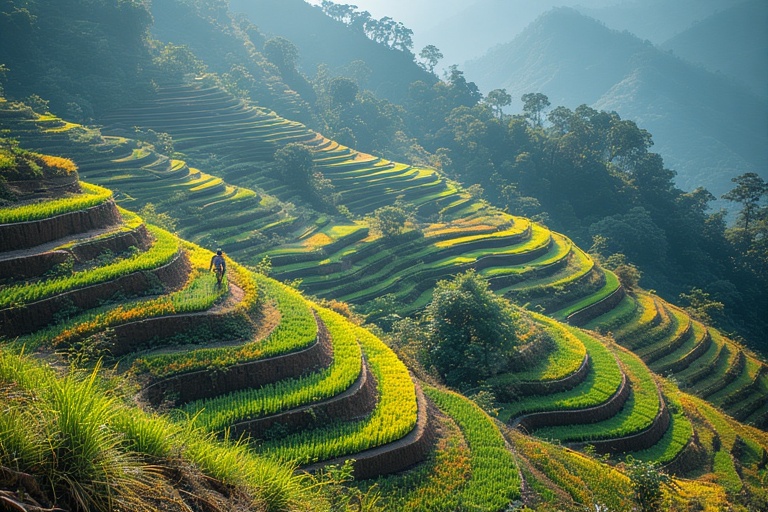
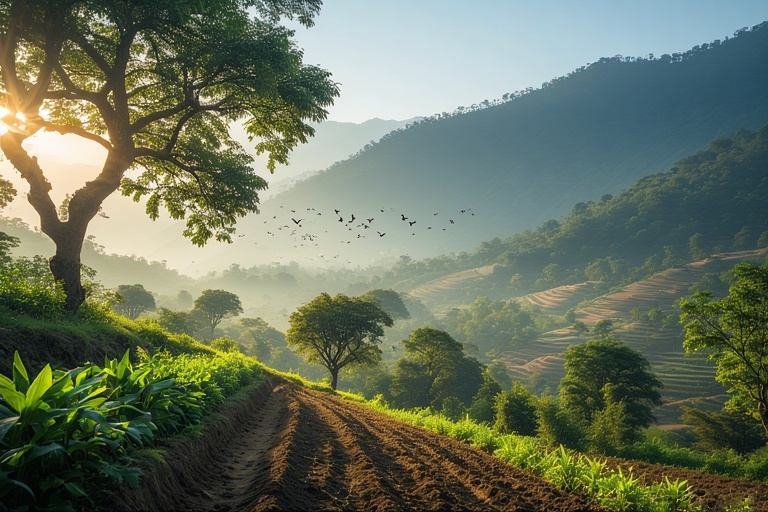
Then there’s terrace farming, a signature of Nepal’s mountainous landscape. The stepped fields aren’t just beautiful, they prevent soil from washing away during heavy rains and make the most of steep slopes. Imagine walking along these terraces, seeing rows of green crops hugging the hillsides.
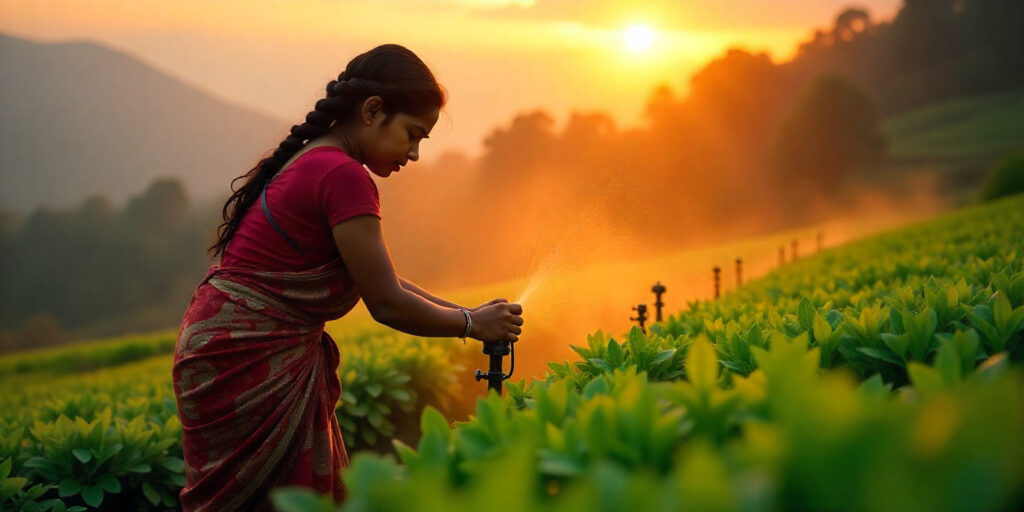
Water is life, especially in farming. With rainwater harvesting, small ponds, and drip irrigation, farmers ensure crops survive even dry spells. Efficient water use has become essential as climate change affects rainfall patterns.
Other techniques, like crop rotation and diversification, keep the soil fertile and reduce pests naturally. Adding trees alongside crops, known as agroforestry, brings shade, additional income from fruits, and helps prevent landslides.
Why It Matters
These practices aren’t just good for the environment – they benefit farmers and communities too. Healthier soil leads to better yields, reduced reliance on expensive chemicals saves money, and resilient farms withstand unpredictable weather. Beyond economics, sustainable farming nurtures biodiversity and natural resources, preserving Nepal’s beauty for future generations.
Supporting Farmers and Change
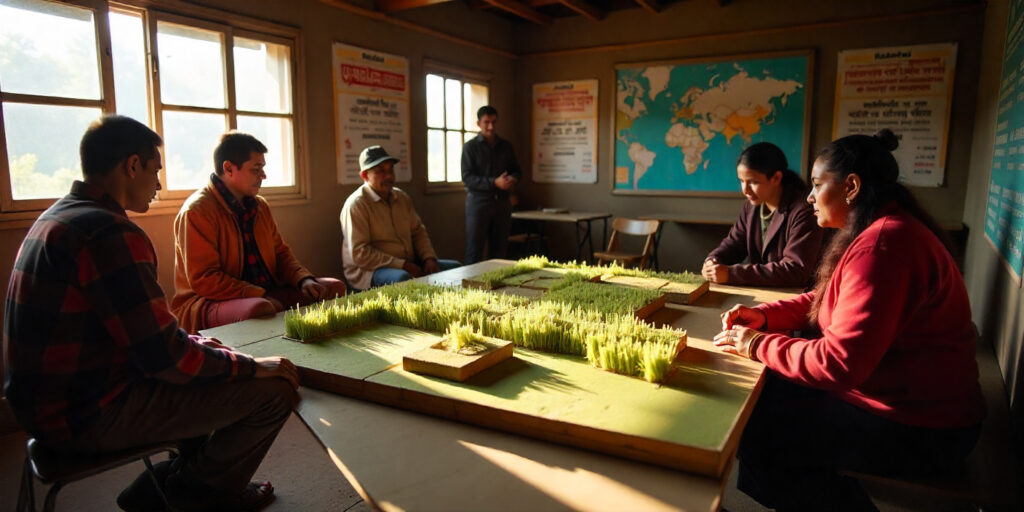
Government initiatives and NGOs like Helvetas and ICIMOD provide training and resources to help farmers adopt sustainable methods. Village workshops show practical techniques, inspiring farmers to embrace eco-friendly practices. Even small steps matter: growing vegetables at home, supporting local organic produce, and spreading awareness can make a real difference.
Looking Ahead
Sustainable farming is more than a set of practices – it’s a commitment to the land and the people who depend on it. By combining traditional knowledge with modern methods, Nepalese farmers are shaping a future where agriculture is productive, resilient, and harmonious with nature. Imagine terraces glowing under a sunset, farmers walking home with their harvest, and soil rich and fertile for generations to come. This is the promise of sustainable farming in Nepal.

 Nirajan Dahal