 Nirajan Dahal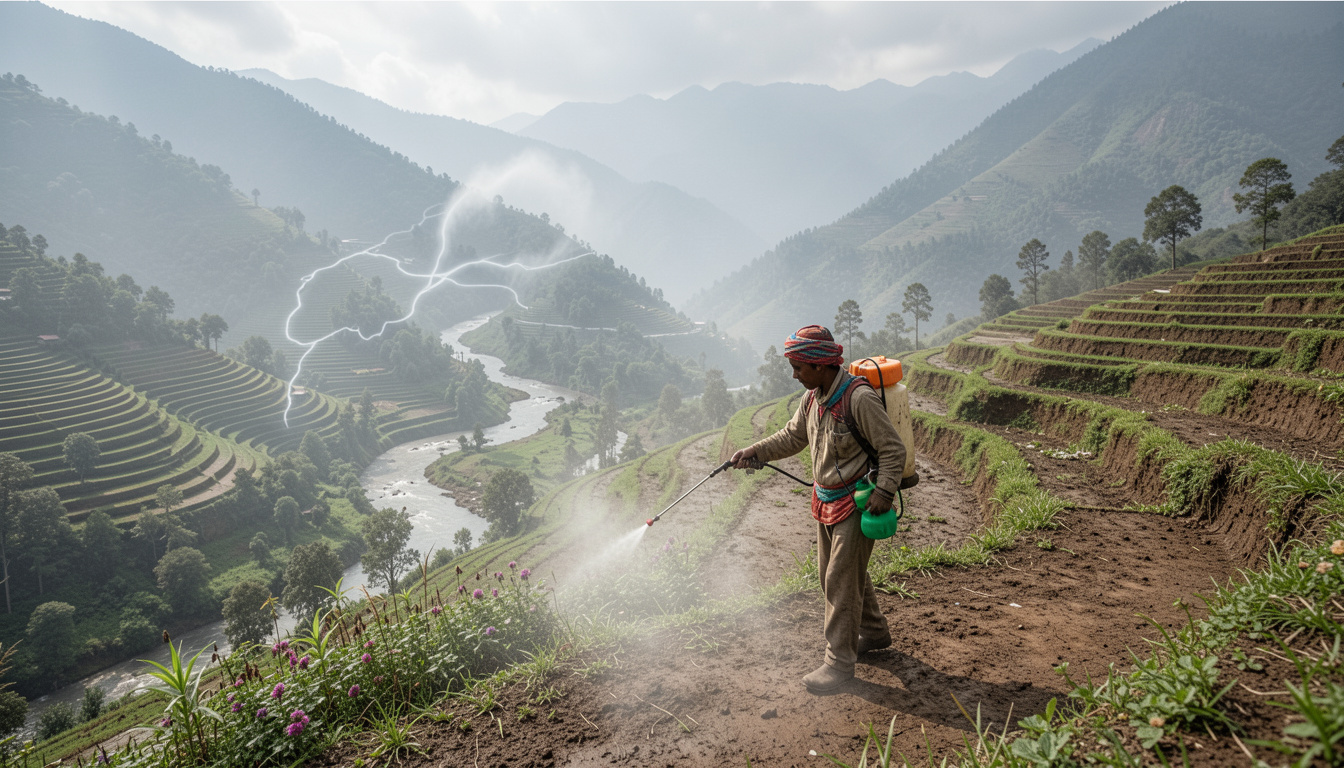
Agriculture has long been the backbone of Nepal’s economy and culture, supporting the livelihoods of more than two-thirds of the population. But behind this essential industry lies a growing environmental crisis. The widespread use of chemical pesticides is now one of the leading causes of pollution across the country, affecting soil, rivers, ecosystems, and human health.
While farming sustains millions, the increasing dependence on synthetic chemicals is quietly damaging the very resources agriculture depends on.
The Dominance of Chemical Pesticides
Pesticides are the primary source of agricultural pollution in Nepal. Each year, the country imports approximately 55.8 metric tons of active pesticide ingredients, with 33.3 metric tons consisting of insecticides alone.
Usage levels average around 396 grams per hectare, and demand continues to grow at an alarming rate of 10–20% annually.
More concerning is the presence of persistent organic pollutants (POPs) – toxic chemicals that remain in the environment for long periods and accumulate in living organisms. Major stockpiled POPs in Nepal include:
- DDT – 10.3 metric tons
- Lindane/BHC – 3.7 metric tons
- Aldrin – 0.9 metric tons
- Endosulfan – 1.8 metric tons
- Chlordane – 0.5 metric tons
In total, more than 74 metric tons of obsolete pesticides are stored across over 20 sites nationwide.
One of the most critical locations is Amlekhgunj, where 50.9 metric tons of toxic chemicals remain stored near populated areas, including schools—posing serious risks of leakage into soil and groundwater.
Widespread Environmental Impacts
The effects of pesticide use are not limited to farms. These chemicals spread through water, air, and soil, affecting ecosystems far beyond their point of application.
Water Pollution
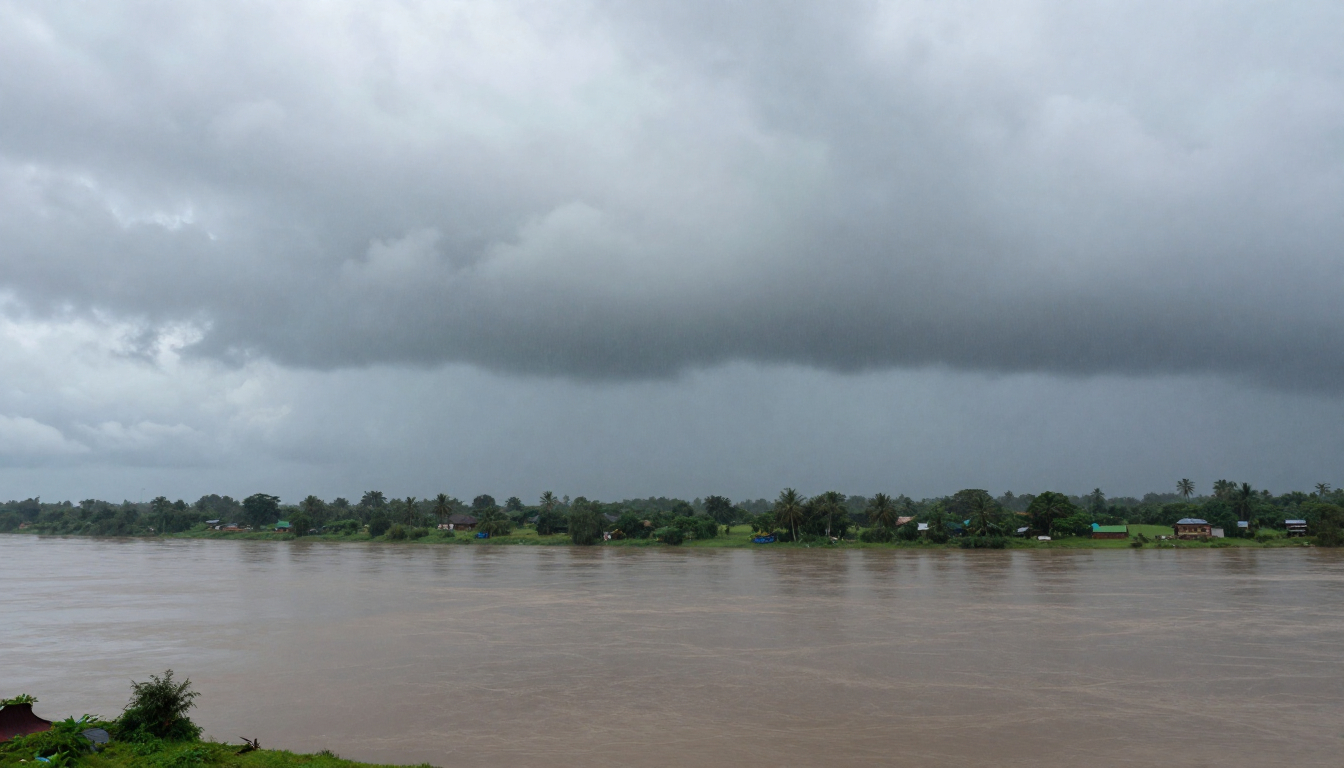
Runoff from agricultural fields carries pesticides into major rivers such as the Bagmati River and the Gandaki River, as well as lakes like Phewa Lake.
This contamination kills fish, disrupts aquatic ecosystems, and reduces biodiversity over time.
Soil Degradation
Excessive pesticide use damages beneficial soil organisms, including microbes and earthworms. This reduces soil fertility and weakens long-term agricultural productivity.
Air and Ecosystem Impact
Pesticide drift – where chemicals travel through the air – can affect nearby forests and wildlife habitats, spreading contamination beyond farms.
Stockpiles and Toxic Legacy
Nepal’s pesticide problem is not just about current use – it is also about past accumulation.
Obsolete and banned chemicals remain stored across the country, often in unsafe conditions. Many of these substances are leaking slowly into the environment, contaminating nearby land and water sources.
Without proper disposal systems, these stockpiles continue to pose long-term environmental and health risks.
How Agriculture Compares to Other Industries
While other industries also contribute to pollution, agriculture stands out due to its scale and reach.
- Textile industry releases dyes and effluents into rivers, contributing to pollution in urban waterways like the Bagmati.
- Pharmaceutical industry has shown high levels of contaminants, including antibiotics such as ciprofloxacin, detected at 6,000 ng/L in the Bagmati, exceeding European safety limits.
- Mining and cement industries release heavy metals and acids, but their impact is usually localized.
In contrast, agriculture affects nearly 28% of Nepal’s land area, making its environmental impact far more widespread and difficult to control.
Human and Economic Costs
The consequences of pesticide pollution extend beyond the environment and directly affect human health.
Studies suggest that up to 25% of farmers in Nepal’s plains experience acute pesticide poisoning. Symptoms range from dizziness and nausea to severe neurological effects.
Long-term exposure increases the risk of:
- Cancer
- Birth defects
- Hormonal disruption
These chemicals accumulate in the food chain, affecting not only farmers but also consumers.
Economically, Nepal spends over NPR 2 billion annually on pesticide imports. At the same time, environmental damage threatens key sectors such as tourism, fisheries, and sustainable agriculture.
The Way Forward: Reducing the Risk
Addressing pesticide pollution requires coordinated action at multiple levels.
Stronger Regulation
Effective enforcement of the Pesticide Management Act 2018 is essential to control the import, sale, and use of harmful chemicals.
Safe Disposal of Stockpiles
Obsolete pesticides should be safely removed and disposed of through international cooperation, such as programs supported by organizations like the United Nations Environment Programme.
Sustainable Farming Practices
Promoting alternatives such as:
- Biopesticides
- Integrated Pest Management (IPM)
- Organic farming
can significantly reduce chemical dependence.
Monitoring and Awareness
Improved border controls, regular environmental monitoring, and public awareness campaigns can help reduce misuse and encourage safer practices.
Conclusion: A Critical Balance
Agriculture remains essential to Nepal’s survival and identity. However, its current reliance on chemical pesticides is creating a dangerous imbalance.
Protecting soil, water, and human health requires urgent action. By adopting sustainable practices, enforcing regulations, and addressing legacy pollution, Nepal can move toward a future where farming supports both people and the environment.
The challenge is not to abandon agriculture – but to transform it into a system that sustains life without destroying the resources it depends on.