 admin
admin
Rivers have always been the lifelines of Nepal. From the fast-flowing waters of the Koshi to the deep currents of the Karnali, these rivers not only shape our landscapes but also sustain millions of lives. They quench our thirst, irrigate our farms, produce electricity, and nurture diverse ecosystems. Yet today, many of Nepal’s rivers are under threat — from pollution, unplanned development, and the growing pressures of climate change.
The Soul of the Nation
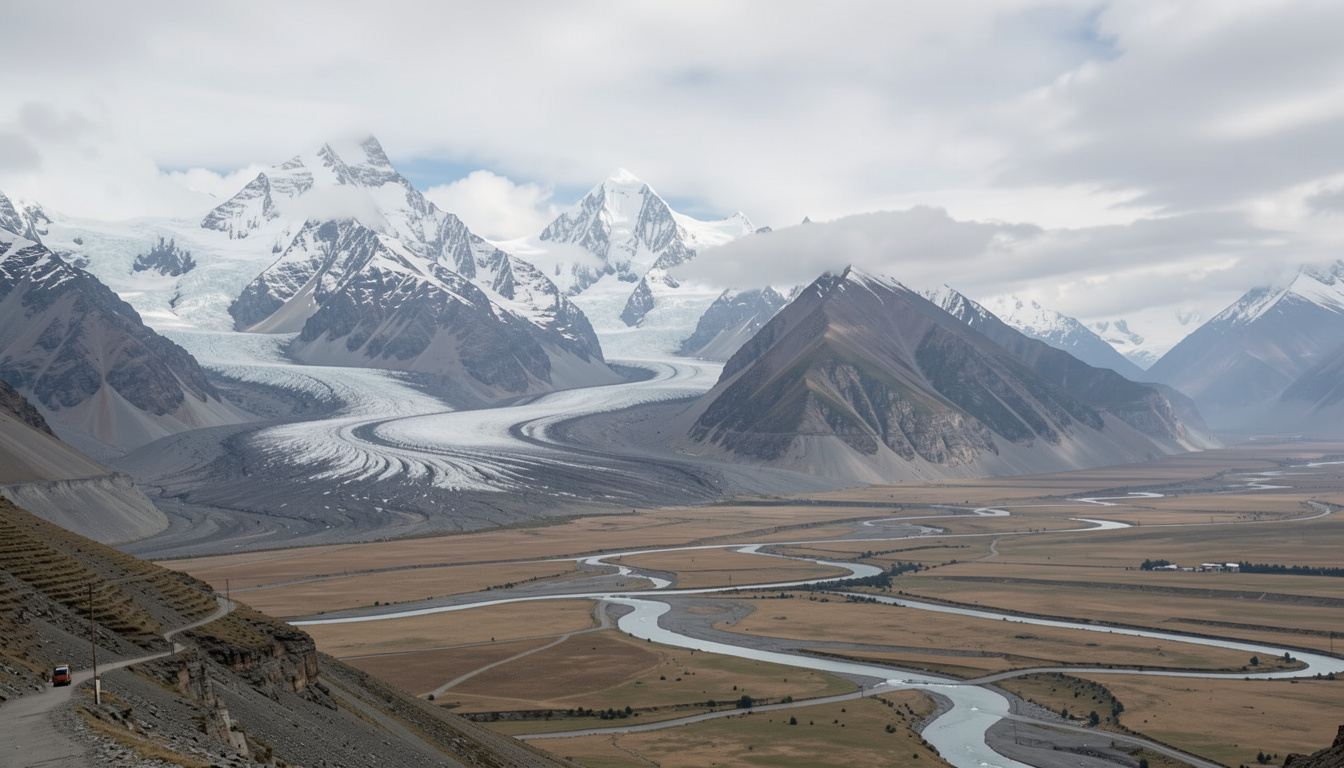
Nepal is often called the “water tower of South Asia.” The snow-capped Himalayas feed more than 6,000 rivers and rivulets, which eventually flow into the Ganges and beyond. For centuries, these waters have powered agriculture, inspired culture, and carried stories from mountain to plain. Sacred rivers like the Bagmati, revered in Hindu traditions, hold spiritual importance, while mighty rivers like the Gandaki and Karnali have been the backbone of rural livelihoods.
But today, their future looks uncertain.
Threats to Nepal’s Rivers
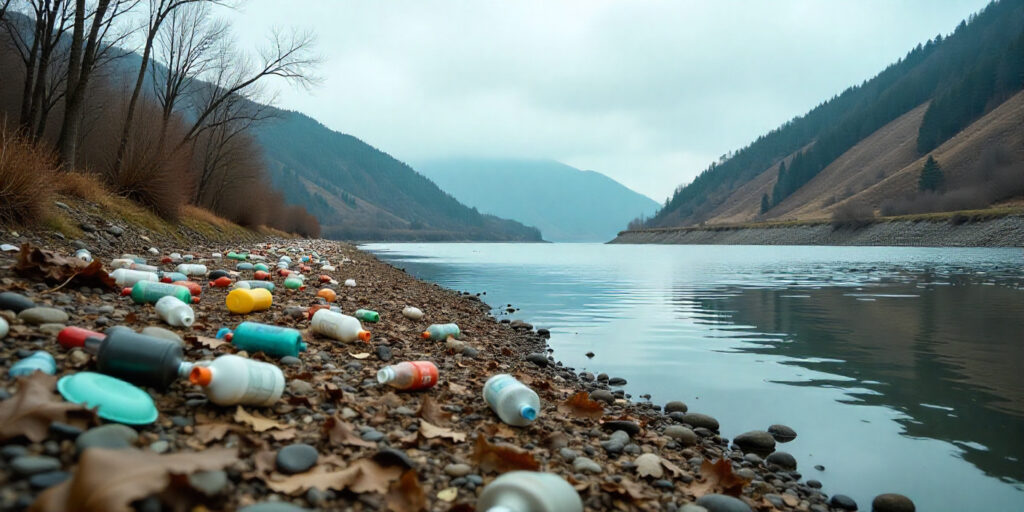
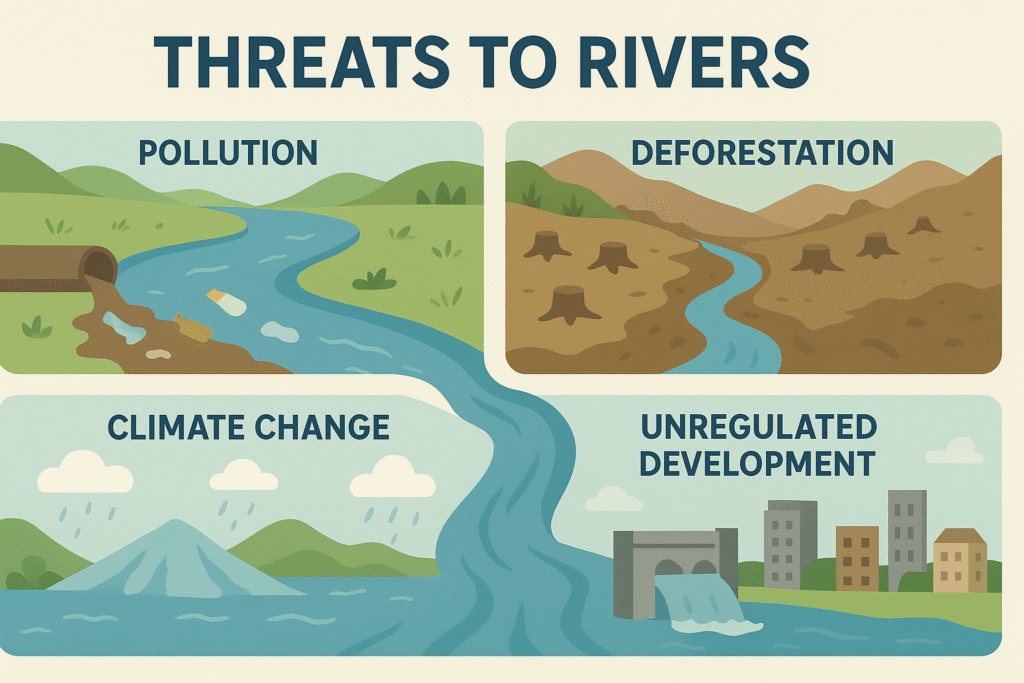
- Pollution – Urban rivers, particularly the Bagmati and Bishnumati, are now filled with sewage, industrial waste, and plastics. What was once a holy river has turned into a dumping ground.
- Hydropower and Dams – While hydropower offers clean energy, unplanned dam construction can disrupt fish migration, destroy natural habitats, and reduce the cultural value of rivers.
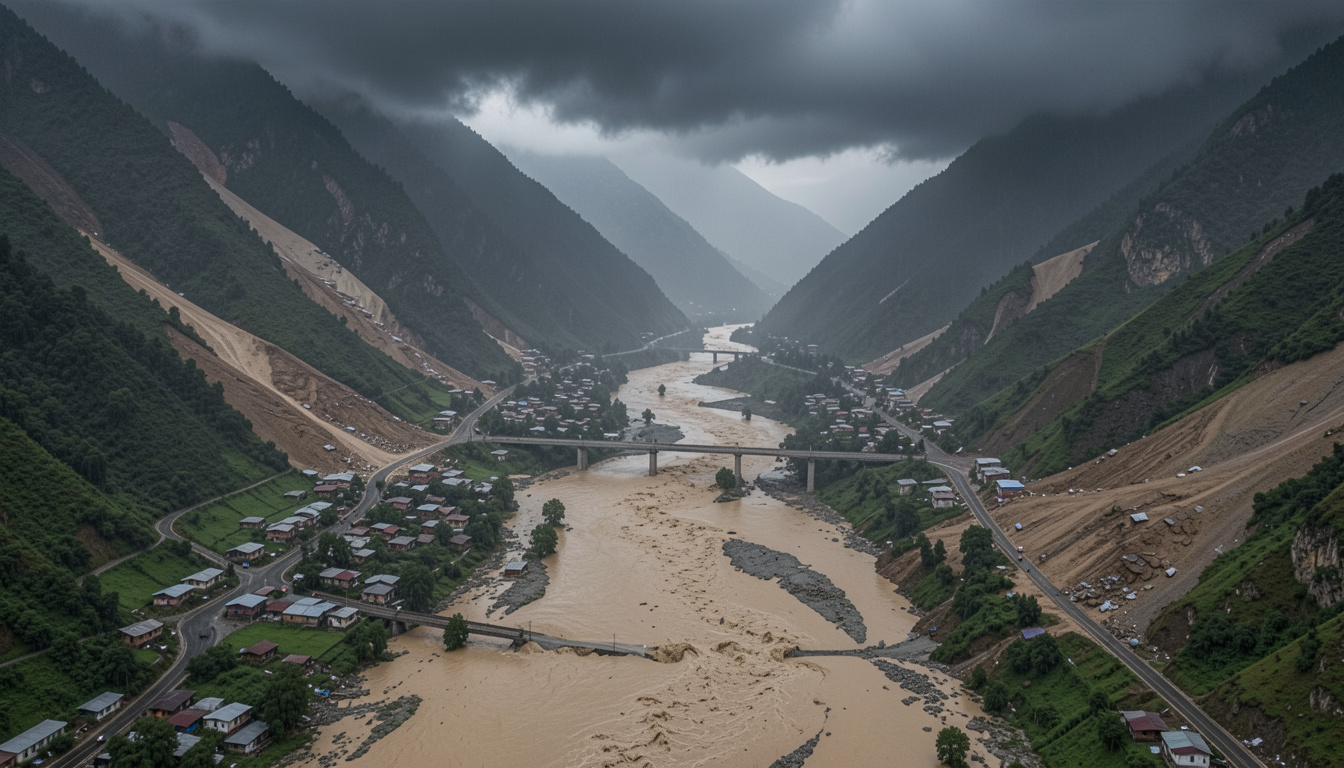
- Sand Mining – Illegal and excessive extraction of sand and gravel from riverbeds is weakening ecosystems and increasing flood risks.
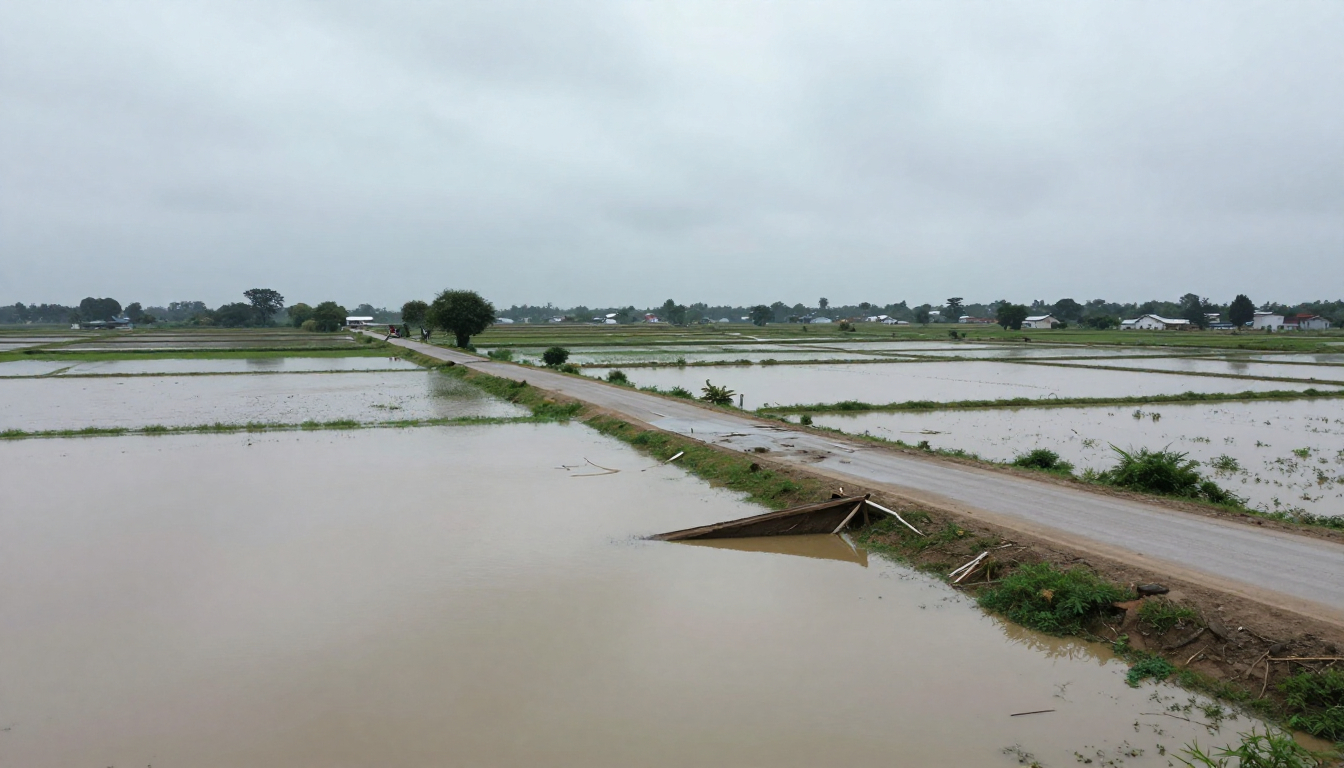
- Climate Change – Melting glaciers and erratic rainfall are altering river flows. Floods and droughts are becoming more frequent, threatening both people and biodiversity.
- Encroachment – Rapid urbanization often pushes into riverbanks, narrowing water channels and making rivers more prone to disasters.
Why This Matters
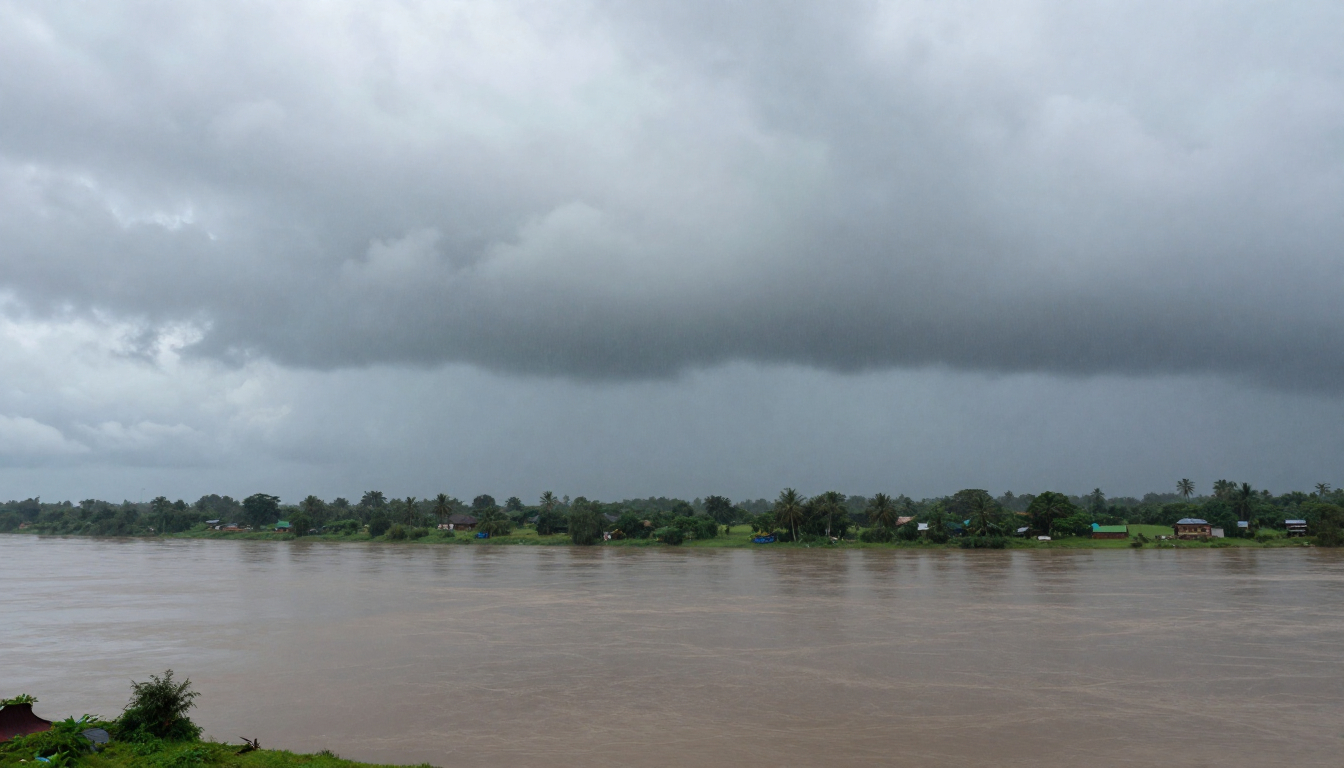
When rivers suffer, people suffer. Farmers lose irrigation water, fish populations collapse, drinking water becomes unsafe, and local communities face greater disaster risks. Beyond survival, rivers are also part of our cultural identity — losing them means losing traditions, festivals, and the very rhythm of life in Nepal.
Major Rivers of Nepal
- Koshi River – Known as the “Sorrow of Bihar” for its frequent floods, but also a lifeline for millions.
- Gandaki River – Famous for its fossils (Shaligrams) and cultural importance.
- Bagmati River – Spiritually sacred, especially in Kathmandu, yet heavily polluted today.
- Karnali River – The longest river in Nepal, rich in biodiversity and vital for western Nepal.
- Mahakali River – A border river, sustaining communities in far-western Nepal.
The Way Forward
Protecting rivers requires joint efforts: stronger policies, cleaner cities, responsible hydropower development, and community-led conservation. The revival of the Bagmati cleanup campaign shows that change is possible when citizens unite for a cause. Every small action, from reducing plastic waste to respecting riverbanks, can add up to a greater impact.
Final Thoughts
Nepal’s rivers are more than just water — they are stories, traditions, and lifelines. If we fail to protect them, we risk not only losing biodiversity but also erasing parts of our cultural heritage. Safeguarding these rivers is not just an environmental duty; it is a moral responsibility for the generations to come.

 Nirajan Dahal