 Nirajan Dahal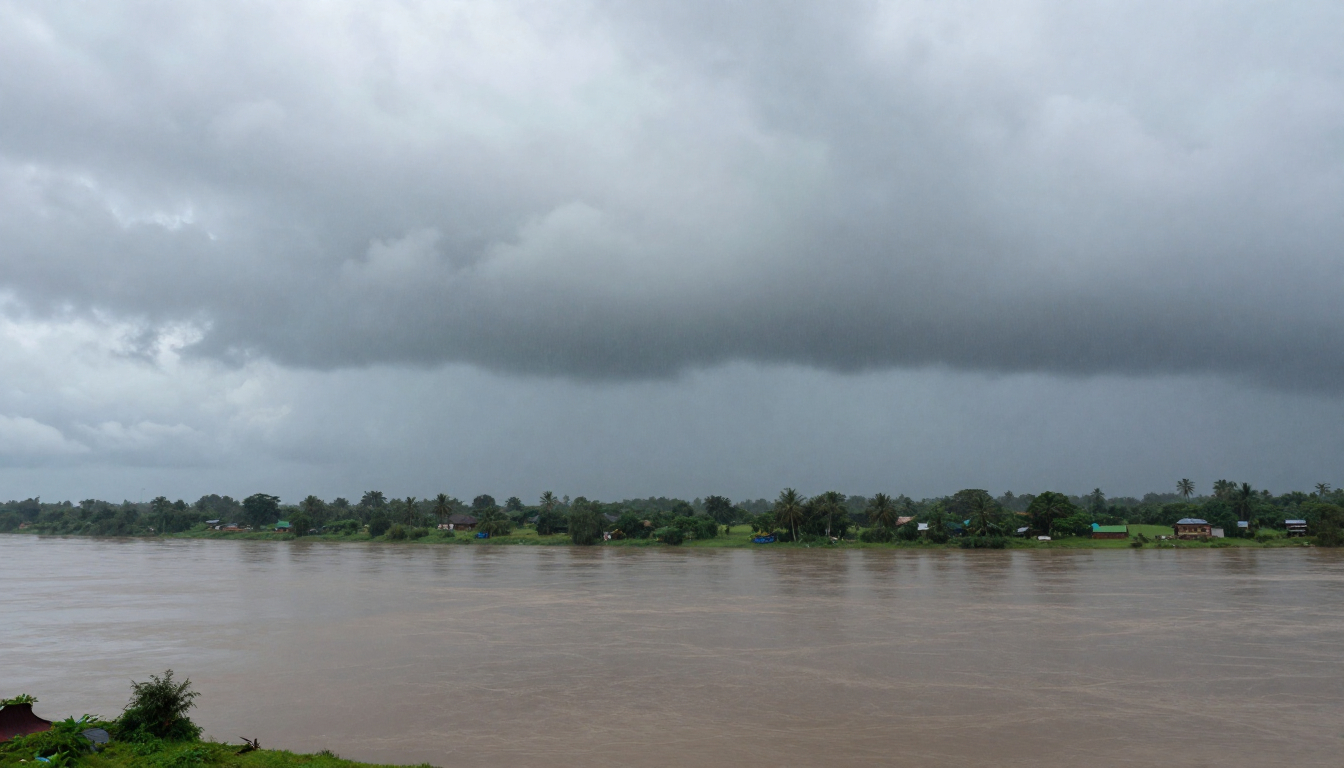
For South Asia, the summer monsoon is not just a season. It is a system that carries food, electricity, drinking water, and economic stability on its back.
Between June and September, the monsoon delivers nearly 70–80 percent of the region’s annual rainfall, sustaining close to 1.9 billion people. Small shifts in its timing or intensity ripple across farms, cities, rivers, and power grids. In recent years, those shifts have become harder to predict — and harder to absorb.
Why the Monsoon Matters
| Sector Dependent on Monsoon | Role of Seasonal Rainfall |
|---|---|
| Agriculture | Crop sowing, yield stability, food security |
| Hydropower | Reservoir recharge, electricity generation |
| Drinking Water | Groundwater recharge, surface supply |
| Ecosystems | River flow, wetlands, soil moisture |
A delayed monsoon can dry fields. An intense one can flood them. Both outcomes are becoming more common.
How the Monsoon Works
The South Asian summer monsoon is driven by the temperature contrast between land and sea. As the subcontinent heats up, warm air rises, pulling in moisture-laden winds from the Indian Ocean.
These winds feed a series of low-pressure systems and troughs that move inland, accounting for more than half of total rainfall in north and central India. The system is sensitive. Even small changes in temperature or circulation can alter rainfall patterns across thousands of kilometers.
A warming atmosphere now holds about 7 percent more moisture for every 1°C rise in temperature. This does not necessarily mean it rains more often — but when it rains, it tends to rain harder.
What Has Already Changed
Recent years show a clear shift toward more intense rainfall events, even when total seasonal rainfall appears normal.
| Year / Event | Extreme Rainfall (mm / 24 hrs) | Observed Impact |
|---|---|---|
| Kathmandu, Sep 2024 | 323.5 mm | Urban flooding, landslides |
| Nepal, Sep 2021 | 121.5 mm | 115 deaths, widespread damage |
| India–Pakistan, 2025 | Intensified events | 1,860+ rain-related deaths |
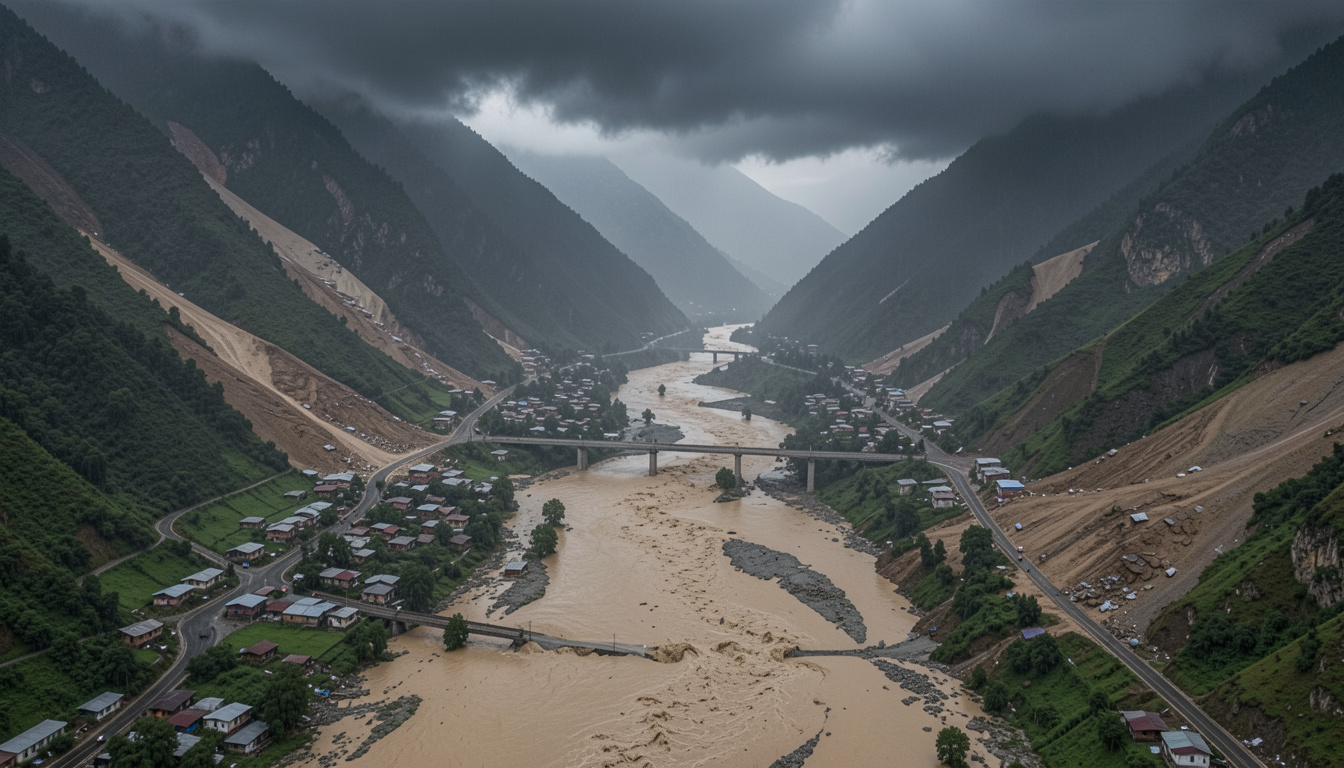
In Kathmandu, three of the heaviest 24-hour rainfall events since 1980 have occurred in recent years, with intensities estimated to be 20–30 percent higher than past extremes.
The 2025 monsoon season saw above-normal rainfall across large parts of India and Nepal, combined with temperatures up to 2°C higher than average. The result was an erratic season — floods in some regions, dry spells in others, sometimes within the same month.
Low Eurasian snow cover during early 2025 further favored a wetter, less stable monsoon circulation.
A Pattern Seen Before — Differently
Historical records from South Asia describe cycles of floods and droughts stretching back centuries. What is different now is their frequency and concentration.
In 2025, a combination of cyclones and monsoon rains across South and Southeast Asia — including storms like Ditwah and Senyar — caused over 1,600 deaths and displaced more than 1.2 million people from Sri Lanka to Indonesia.
Large river systems such as the Ganges and Brahmaputra respond strongly to intraseasonal monsoon cycles. While flood peaks remain dominant, changes in dry-season flows are beginning to emerge — a quieter shift with long-term implications.
What Climate Models Suggest
Climate projections point in a consistent direction, even if local details remain uncertain.
| Projection | Confidence Level | Implication |
|---|---|---|
| Increase in East & South Asian monsoon rainfall | High | Higher overall moisture |
| Intensification of South Asian summer monsoon | Medium | Stronger extremes |
| Fewer monsoon low-pressure systems | Medium | Uneven rain distribution |
Models suggest that while total rainfall may increase, the number of rain-bearing systems could decrease, concentrating rainfall into fewer, more intense events. This raises the risk of both floods and droughts occurring within the same season.
A neutral Indian Ocean Dipole (IOD) is expected to persist into the 2025–26 seasons, offering little stabilizing influence.
Effects on Lives and Livelihoods
The consequences of monsoon instability are not evenly shared.
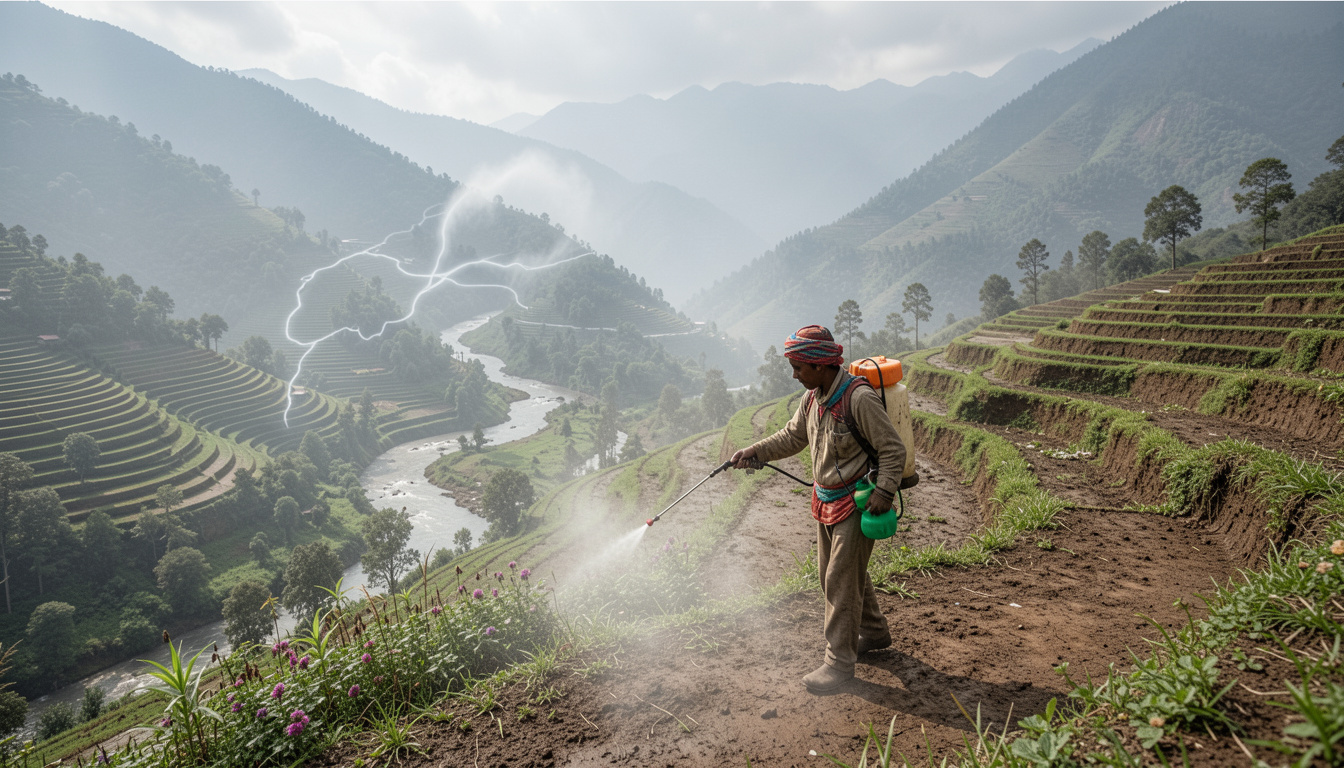
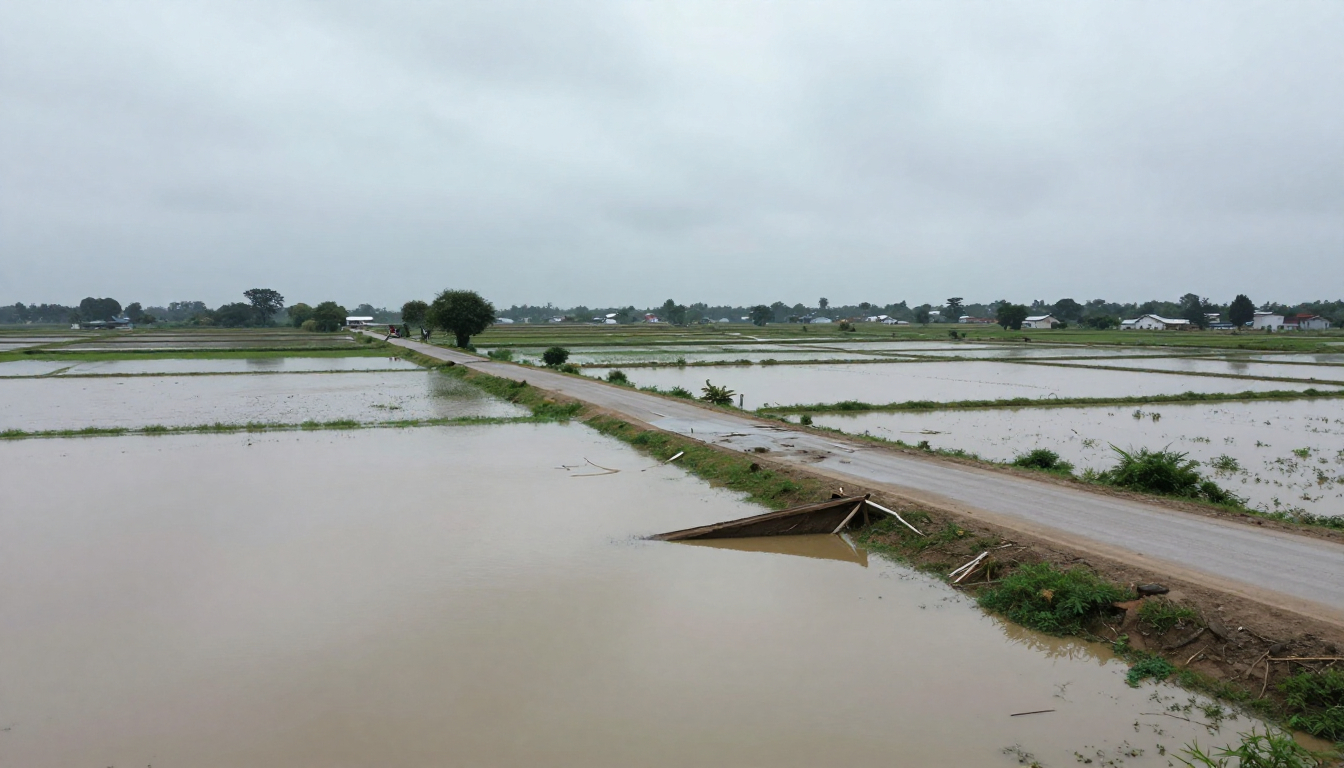
Agriculture remains the most exposed. Around 129 million farmers depend directly on predictable rainfall. Floods wash away standing crops; dry spells disrupt sowing and reduce yields. In low-lying regions of Bangladesh, river islands and floodplains face repeated displacement.
Urban areas are increasingly vulnerable. Rapid construction, reduced drainage capacity, and loss of wetlands amplify flood impacts, as seen repeatedly in cities like Kathmandu.
| Impact Area | Observed Effects |
|---|---|
| Agriculture | Crop loss, irrigation stress |
| Urban Areas | Flooding, infrastructure damage |
| Health | Waterborne disease outbreaks |
| Economy | Projected losses exceeding $10 billion annually |
In Nepal alone, the 2021 monsoon caused 115 deaths and over 100 injuries, a reminder that even smaller countries face disproportionate risk.
Living With an Unstable Monsoon
Early warning systems, climate-resilient crops, improved drainage, and watershed protection can reduce damage. None of these eliminate risk — they only soften the edges.
As temperatures rise, monsoon instability is likely to increase, not disappear. The challenge for South Asia is no longer how to control the monsoon, but how to live with its growing unpredictability without placing millions at risk.