 Nirajan Dahal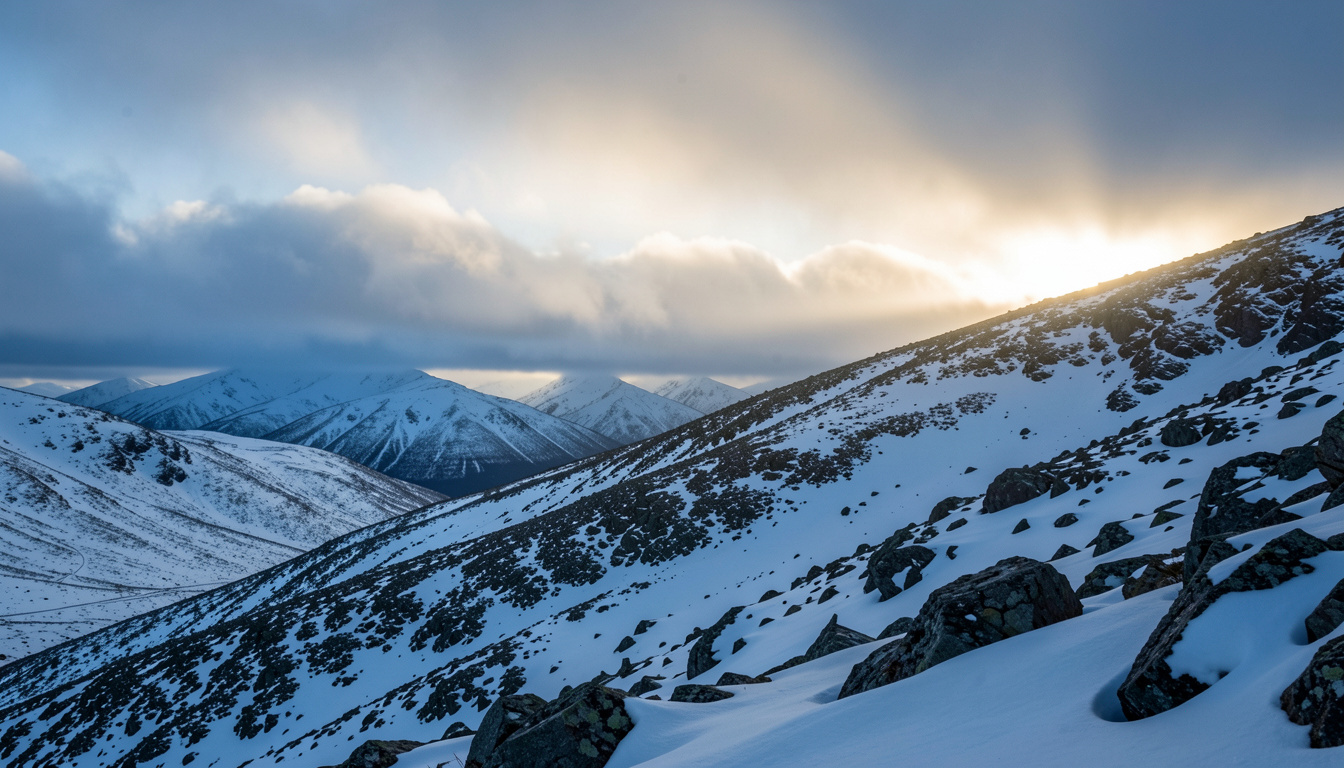
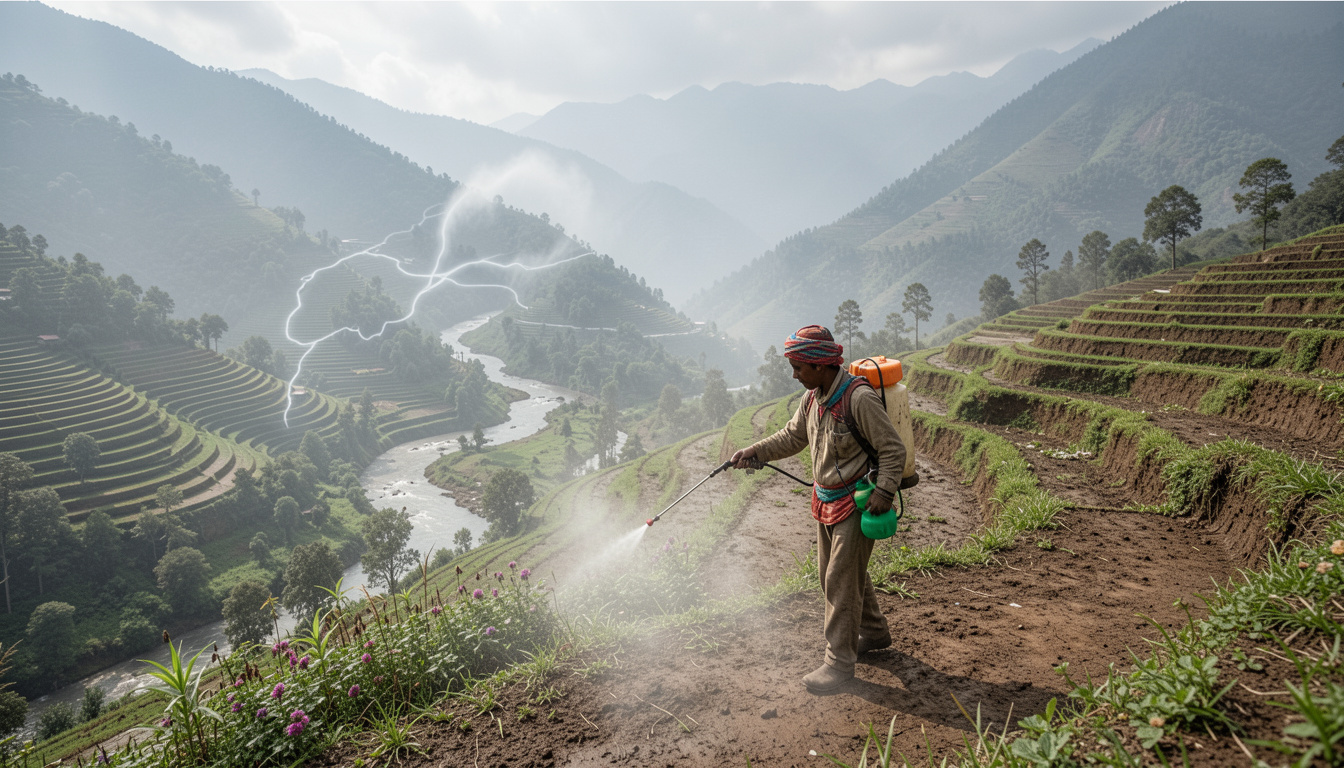
As a researcher who’s spent years trekking through Nepal’s high passes and poring over DHM bulletins and ICIMOD reports, I’ve witnessed firsthand how the Himalayas—our “abode of snow”—are turning into a water tower on the brink. Early February 2026 brings no relief: temperatures in the high Himalayas are climbing at 0.086°C per year, outpacing global averages, while snowfall dwindles amid what experts now call a “snow drought” gripping elevations from 3,000 to 6,000 meters. This isn’t just data; it’s a slow-motion disaster reshaping rivers, villages, and lives for nearly two billion people downstream.
The Snow Drought Deepens
Winters here used to blanket peaks in reliable white, feeding the Ganges, Indus, and Brahmaputra. But 2024-2025 marked a 23-year low in snow persistence, with precipitation falling as rain instead of snow due to elevation-dependent warming. Studies from Nature show moderate-to-severe snow droughts spiking since 2015, slashing meltwater runoff by up to 20% in some basins—critical as 80% of Nepal’s dry-season flow relies on this. I’ve hiked Annapurna trails where barren slopes now greet trekkers, not powder; locals in Mustang whisper of failed crops as irrigation dries up. February forecasts hint at patchy snow in Gandaki and Karnali, but it’s too little, too erratic.
Glacial Lakes: Ticking Time Bombs
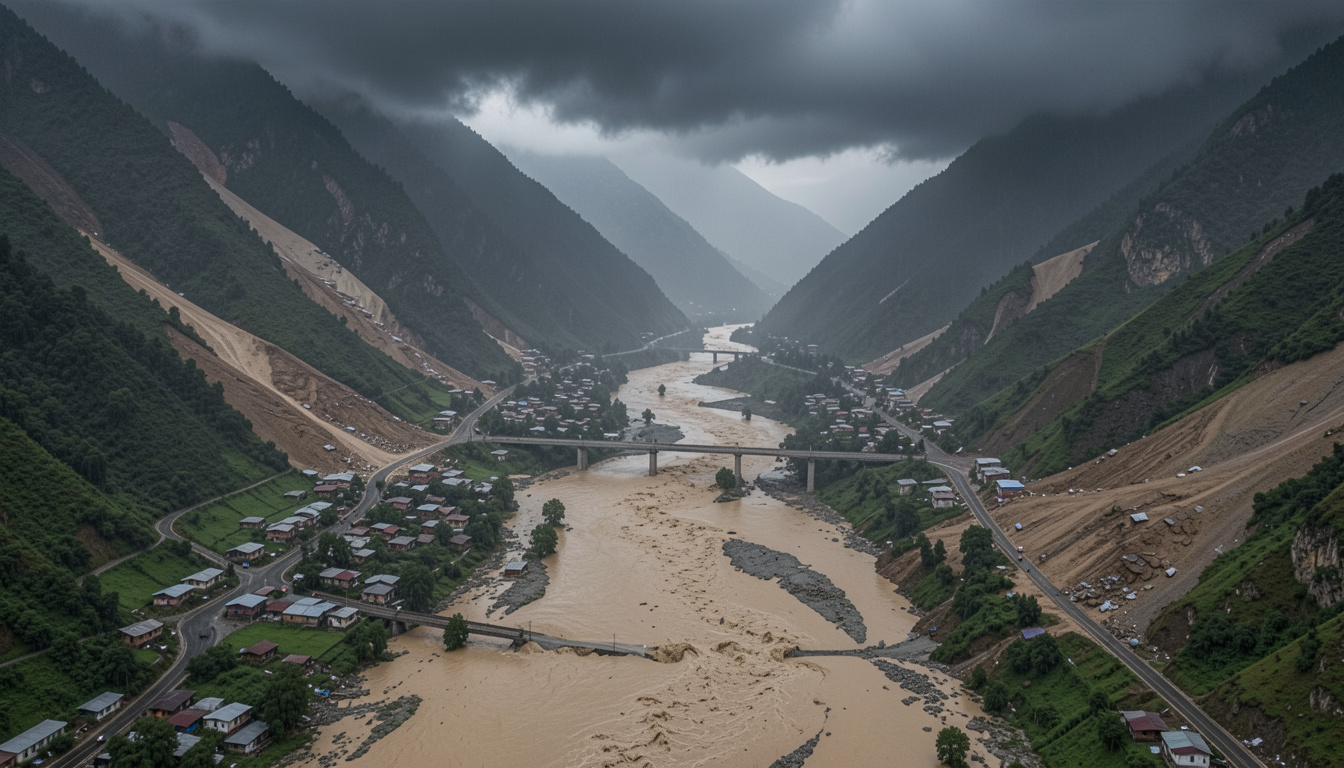
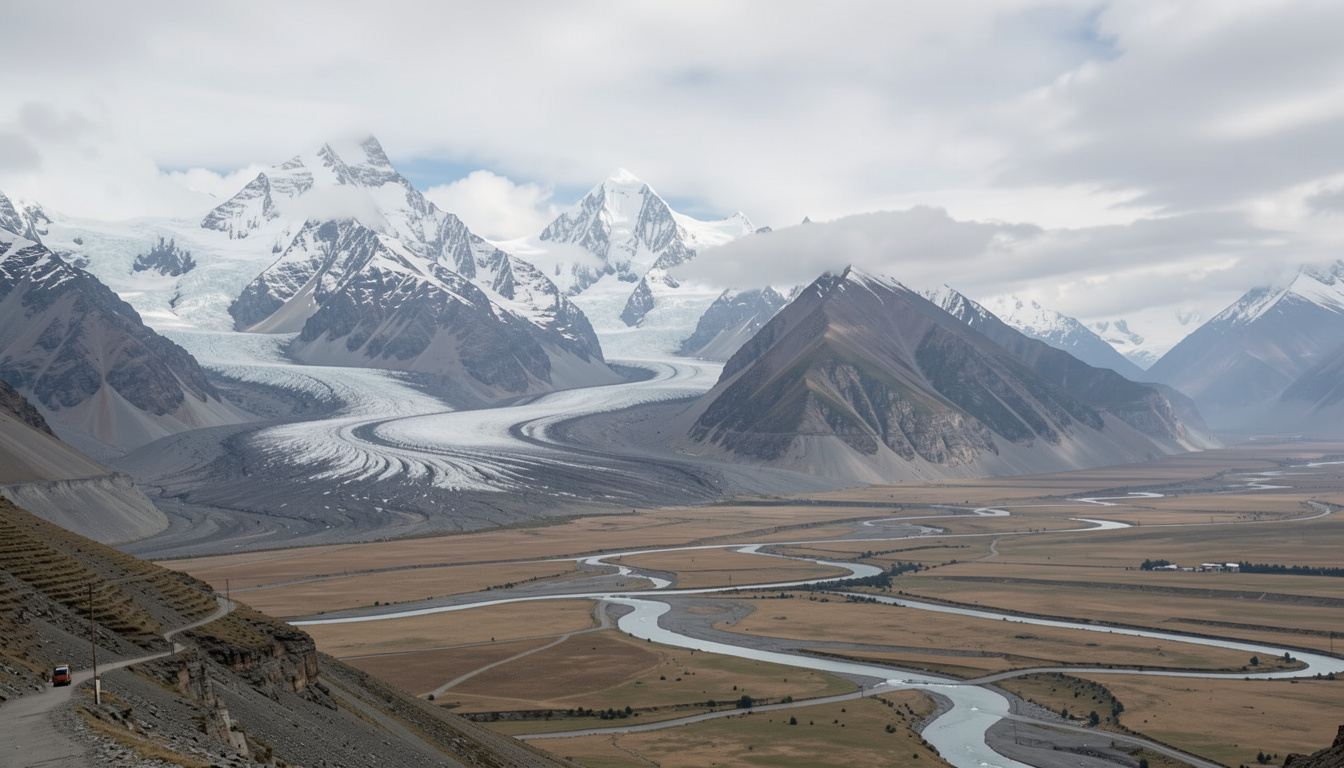
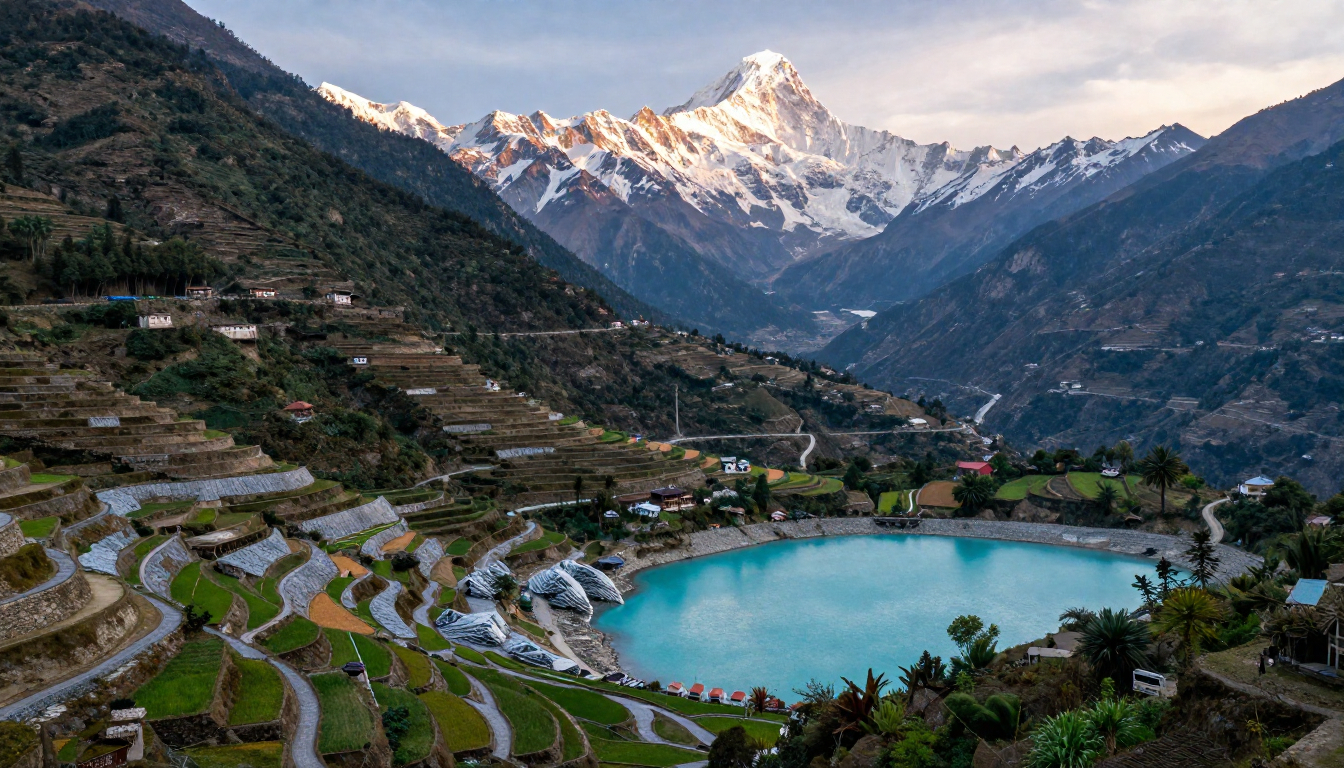
Warmer temps accelerate glacier melt, birthing supraglacial lakes that evolve into catastrophe. Nepal hosts 21 high-risk glacial lakes out of 47 across the HKH, doubled since 2011, with 42 now flagged for outburst potential. Take Thyanbo in Solukhumbu or Tallopokhari—deepening at alarming rates, monitored by ICIMOD and UNDP. A GLOF here could unleash biblical floods down the Arun Valley, like the 1985 Dig Tsho disaster that wiped villages. Smaller, uncharted lakes are the wildcard; my fieldwork notes from 2024 flagged overlooked ones swelling 9% in volume over 14 years. Rainfall’s dropping too—1.46mm/year in high Himalayas—leaving less dilution but more instability.
Cascading Hazards and Human Toll
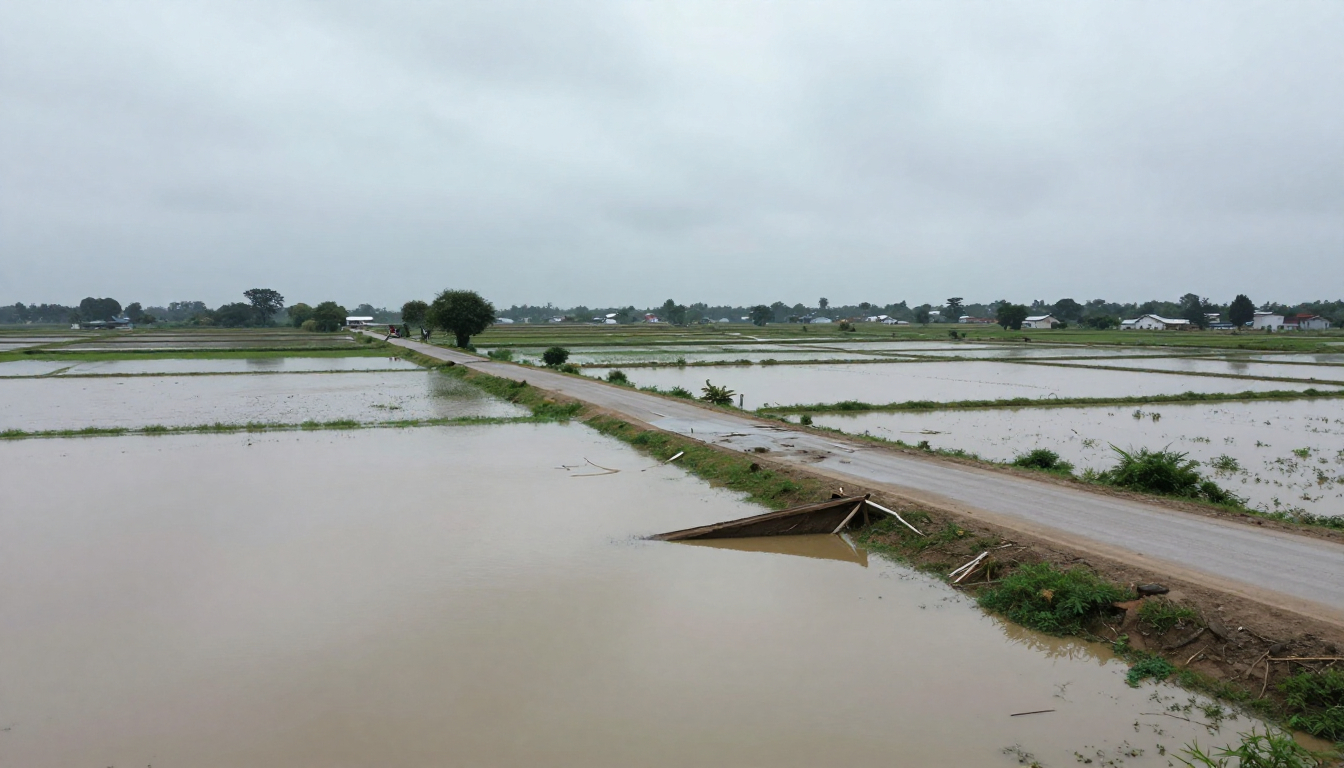
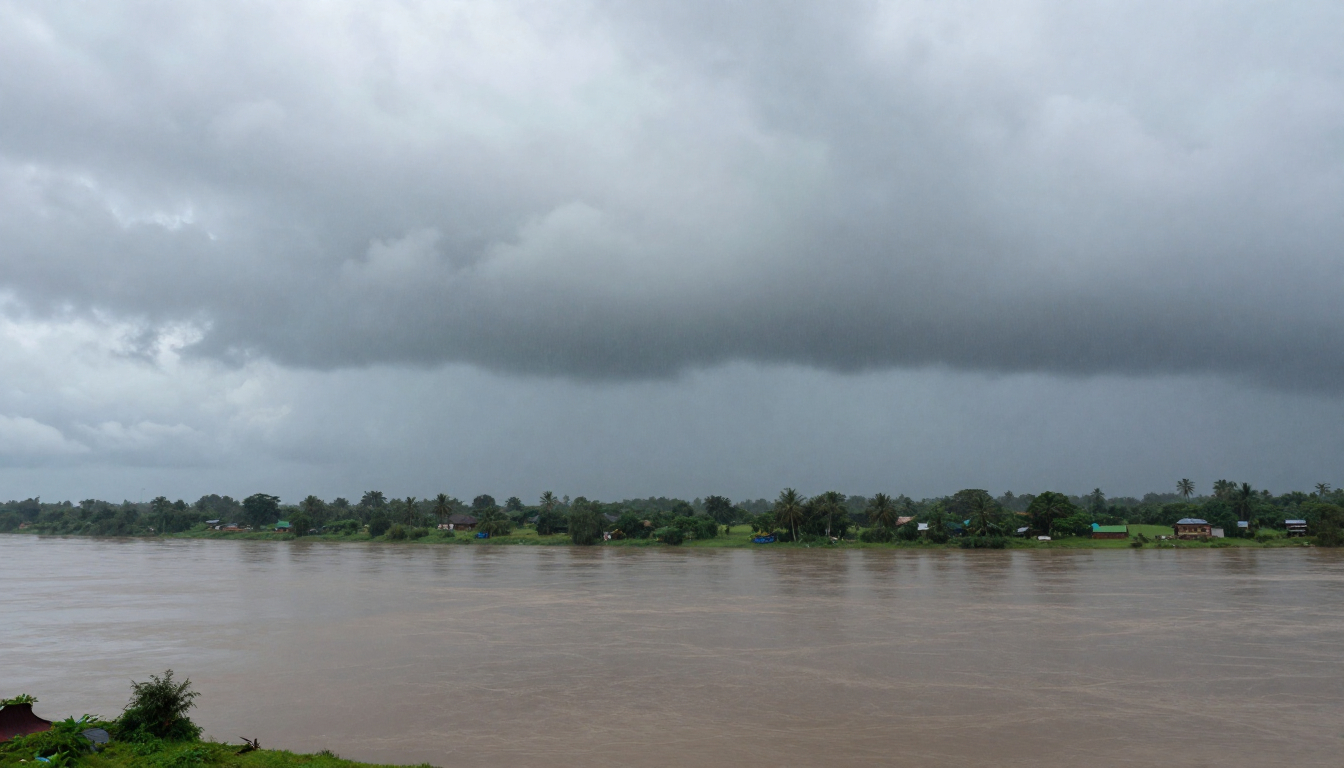
Rockfalls scar Everest’s face, avalanches claim climbers (deadlier now with exposed ice), and water scarcity hits herders first. Projections? One-third of glaciers gone by 2100 even at 1.5°C warming, per recent models. Nepal’s economy, 25% Himalayan-tied via tourism and hydro, buckles under this. Communities in Dolpo or Manang adapt with reservoirs, but without scaled-up early warning—like DHM’s expanding network—it’s bandaids on a hemorrhage.
For nature conferences, this screams for investment: bolster DHM’s cryosphere monitoring, fund lake-lowering ops, and push regional data-sharing. I’ve argued this in Kathmandu workshops; the science is clear, but policy lags. As February’s meager snow falls, let’s not wait for the next GLOF to act—our mountains demand it now.