 Nirajan Dahal
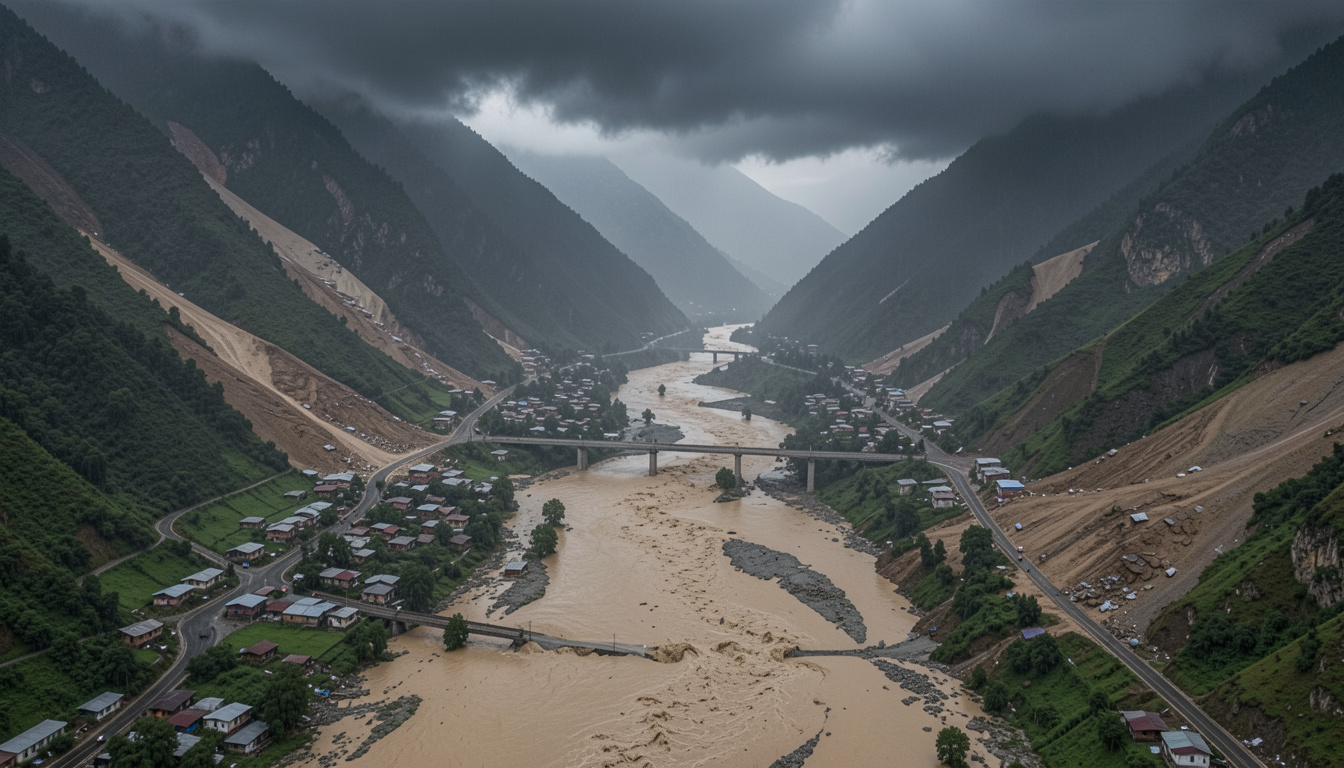
The world stands at a critical crossroads. Climate change is no longer a distant threat—it’s reshaping our reality through unpredictable weather patterns and rising temperatures that devastate communities globally. For Nepal, a nation contributing just 0.027 percent of global greenhouse gas emissions, the irony is stark: we bear minimal responsibility yet face maximum vulnerability to climate disasters.
The root cause? Our planet’s dangerous addiction to fossil fuels, responsible for three-quarters of all greenhouse gas emissions. In Nepal, this dependency is painfully evident—traditional fuelwood and fossil fuels dominate our energy landscape at 63.87% and 25.80% respectively, while hydropower contributes a mere 7.23%. This imbalance isn’t just an environmental concern; it’s an economic and security crisis waiting to unfold.
But what if Nepal could transform this vulnerability into opportunity? What if our abundant water resources and expanding hydropower capacity could position us as a regional leader in clean energy? The answer lies in green hydrogen—a revolutionary technology that could redefine Nepal’s energy future.
Understanding Green Hydrogen: The Clean Energy Game-Changer
Hydrogen, the universe’s most abundant element, rarely exists in pure form naturally. It must be extracted from compounds like water or hydrocarbons, functioning as an energy carrier that can store, transport, and deliver power when needed. The environmental impact depends entirely on how it’s produced.

Currently, the global hydrogen market is dominated by dirty alternatives:
Grey Hydrogen represents the conventional approach—extracting hydrogen from natural gas through steam methane reforming. This method is both the most common and most environmentally destructive, releasing substantial carbon dioxide into our already strained atmosphere.
Blue Hydrogen attempts to clean up the process by capturing and storing carbon emissions, but still relies on fossil fuels as its foundation—a transitional solution at best.
Green Hydrogen stands apart as the true sustainable solution. Produced through electrolysis, this method splits water into hydrogen and oxygen using electricity generated exclusively from renewable sources like hydropower, wind, or solar energy. The result? Zero greenhouse gas emissions and a genuinely clean energy carrier.
The benefits extend far beyond clean production. Green hydrogen enables renewable energy storage and flexible usage, stabilizing energy systems. It’s particularly crucial for decarbonizing sectors that resist electrification—heavy transportation, aviation, and industrial processes including fertilizer production and petroleum refining. The electrolysis process even produces green ammonia as a byproduct, offering tremendous value for agriculture and industry.
Here’s the sobering reality: over 95 percent of current global hydrogen production still depends on fossil fuels. The transition to green hydrogen isn’t just environmentally necessary—it’s economically inevitable.
Nepal’s Untapped Green Hydrogen Goldmine
Nepal’s energy profile creates a perfect storm of opportunity for green hydrogen development. The numbers tell a compelling story that should have every policymaker and investor taking notice.
Hydropower Dominance Creates Opportunity
Nepal’s electricity generation capacity reached an impressive milestone in FY 2023/24, with hydropower constituting 94.72 percent of total capacity. This isn’t just a statistic—it’s a strategic advantage. With ambitious plans to generate 28,500 MW of electricity by 2035, Nepal is building the renewable energy foundation essential for large-scale green hydrogen production.
Seasonal Surplus: Turning Waste into Wealth
Most of Nepal’s hydropower projects operate as run-of-the-river systems, creating a fascinating dynamic. During wet months, electricity generation surges—over 70 percent of annual electricity has been generated during wet seasons for the past three fiscal years. This seasonal abundance drives electricity prices down and creates significant surplus capacity.
This “problem” is actually Nepal’s greatest green hydrogen opportunity. Low-cost, excess electricity during wet months provides ideal conditions for cost-effective green hydrogen production. Instead of curtailing this surplus energy, Nepal can convert it into hydrogen, maximizing the value of underutilized hydropower capacity.
Breaking the Import Dependency Cycle
Nepal’s heavy reliance on imported petroleum products represents both an economic drain and security vulnerability. These imports accounted for 18.9 percent of merchandise imports in FY 2023/24—money flowing out of the country that could instead fuel domestic energy production.
Green hydrogen offers a pathway to energy independence, reducing external vulnerabilities while keeping energy investments within Nepal’s borders. This shift could fundamentally reshape Nepal’s trade balance and energy security.
Aligning with Global Climate Commitments
Nepal’s commitment to achieving net-zero emissions by 2045, outlined in the Nationally Determined Contribution 3.0, requires transformative action. Green hydrogen provides a practical pathway to meet these ambitious targets while creating economic opportunities.
The export potential is equally compelling. With agreements to export 10,000 MW of electricity to India over the next decade, Nepal can diversify beyond electricity exports. Green hydrogen and its derivatives, particularly green ammonia, could open new regional markets while fostering local industrial development in cement and fertilizer manufacturing.
Policy Progress and Regional Competition
The global momentum behind green hydrogen is undeniable. Initiatives from COP26, the European Union’s hydrogen strategy, and Japan’s comprehensive roadmap demonstrate worldwide commitment to scaling up production. Regionally, the competition is intensifying—India, Sri Lanka, and China have launched ambitious green hydrogen missions, with China establishing nearly half of global production capacity by 2024.
Nepal cannot afford to lag behind in this race. Recognizing this urgency, recent policy developments show promising momentum:
The Green Hydrogen Policy, 2023, adopted in January 2025, establishes Nepal’s commitment to promoting renewable electricity-based hydrogen production. The policy outlines strategies for developing legal frameworks, providing incentives, promoting carbon trading, building infrastructure, facilitating fertilizer production, and supporting research and development.
Budget announcements for FY 2025/26 include practical incentives—tax exemptions on essential machinery and five-year income tax holidays for green hydrogen companies. These measures signal serious government commitment to sector development.
The Energy Development Roadmap, 2024 reinforces this commitment by targeting 28,500 MW of hydropower capacity by 2035, providing the renewable energy foundation essential for green hydrogen production.
Provincial initiatives are also gaining traction. Koshi Province Government’s MoU for a green hydrogen-based fertilizer plant worth NPR 26 billion demonstrates sub-national commitment to this transformative technology.
The Reality Check: Significant Challenges Ahead
Despite Nepal’s natural advantages and policy progress, substantial obstacles remain. Addressing these challenges honestly is crucial for developing realistic strategies.
Economic Hurdles Demand Innovation
Green hydrogen production costs remain prohibitively high globally, ranging from €3 to €7 per kilogram. Local research by Kathmandu University reveals the scale of this challenge—producing enough hydrogen to drive 100 kilometers costs approximately US$5 (NPR 650), compared to just NPR 106 for electric vehicles covering the same distance.
This cost differential isn’t just a market inconvenience; it’s a fundamental barrier to adoption that requires targeted intervention and technological advancement.
Investment Requirements Are Massive
Realizing Nepal’s green hydrogen potential demands substantial financial commitment across multiple phases. Initial investments in research and development for technological refinement, efficiency improvements, safety protocols, and scalability studies represent just the beginning. Large-scale deployment requires even greater capital commitments that extend far beyond government capacity alone.
Institutional Gaps Create Implementation Bottlenecks
While the Green Hydrogen Policy, 2023 provides important legal foundation, it lacks specific implementation directives. The absence of a dedicated coordinating body creates fragmented efforts and slows progress. Without a fully functional institutional framework or independent regulatory entity, coordination between agencies remains problematic and investment attraction becomes more difficult.
Safety Concerns Cannot Be Ignored
Hydrogen’s flammability presents genuine safety challenges that require serious attention. Local accidents and historical events like the Hindenburg disaster remind us that robust safety protocols, comprehensive awareness campaigns, and strong regulatory frameworks are essential for preventing accidents and building public trust.
Public acceptance depends heavily on demonstrating that green hydrogen can be produced, stored, and used safely under Nepali conditions.
Infrastructure Deficits Require Strategic Investment
Nepal currently lacks the advanced storage and transportation infrastructure necessary for green hydrogen adoption. This infrastructure gap represents both a challenge and an opportunity—building modern hydrogen infrastructure from scratch allows Nepal to incorporate the latest technologies and safety standards.
Strategic Roadmap for Nepal’s Green Hydrogen Future
Transforming Nepal’s green hydrogen potential into reality requires a comprehensive, coordinated approach addressing policy, finance, technology, and institutional needs.

Building Comprehensive Legal Architecture
The existing Green Hydrogen Policy represents an important first step, but comprehensive legal frameworks require supporting directives, rules, and regulations. These frameworks must address inter-agency coordination, safety standards, environmental protection, and technology transfer while creating clear pathways for private sector participation.
Legal predictability is essential for attracting both domestic and international investment in this emerging sector.
Implementing Strategic Financial Incentives
Current initiatives like tax exemptions and income tax relief provide helpful starting points, but deeper financial commitments are necessary. Increased public investment in research and development is critical for advancing technologies and achieving commercial viability under Nepali conditions.
Financial incentives should extend beyond tax relief to include subsidized loans, risk guarantees, and performance-based incentives that encourage innovation and efficiency improvements.
Attracting Foreign Direct Investment
Nepal must create an investment-friendly environment that attracts international capital, technical expertise, and market access. This requires ensuring legal predictability, transparent regulatory procedures, streamlined approval processes, and offering long-term power purchase agreements.
Land access guarantees and repatriation assurances will provide the certainty international investors need to commit significant resources to Nepal’s green hydrogen sector.
Accessing International Climate Finance
International funding sources like the Climate Investment Fund and Green Climate Fund offer crucial financing opportunities for developing countries pursuing clean energy transitions. Despite the technical and administrative expertise required for accessing these funds, the potential returns justify the investment in building this capacity.
Nepal should prioritize developing the institutional capabilities necessary to successfully compete for international climate finance.
Establishing Dedicated Research Funding
A government-established pool fund with seed money from annual budgets, supplemented by contributions from development partners, NGOs, and private sector entities, could accelerate green hydrogen research and development. This dedicated funding would support technology adaptation, efficiency improvements, and commercialization efforts specifically tailored to Nepali conditions.
Creating Institutional Leadership
Perhaps most critically, Nepal needs a dedicated institutional mechanism—whether a government agency, semi-government entity, or public-private partnership—to lead regulation, coordination, investment mobilization, and policy support. This institution would provide the sustained leadership necessary for long-term sector development.
Launching Strategic Pilot Projects
Pilot projects offer multiple benefits: establishing baselines for further development, providing training and capacity building opportunities, enabling technology testing and innovation, ensuring sustainability demonstrations, and building public awareness and support.
Strategic pilot projects should focus on sectors where green hydrogen offers the greatest comparative advantage, such as fertilizer production or heavy transportation.
The Time for Action Is Now
Nepal stands at a pivotal moment in its energy history. Green hydrogen offers a transformative pathway to reduce fossil fuel dependence, achieve net-zero emissions goals, enhance energy security, and stimulate economic growth. The convergence of abundant water resources, expanding hydropower capacity, seasonal electricity surplus, and emerging policy support creates unprecedented opportunity.
However, opportunity without action remains merely potential. The challenges are real and substantial—high costs, infrastructure gaps, regulatory needs, and safety concerns require serious attention and sustained commitment.
The progress at policy and provincial levels demonstrates growing momentum, but translating this momentum into tangible results requires coordinated action across government, private sector, and international partners.
Regional competitors are not waiting. India, China, and other neighbors are advancing their green hydrogen capabilities rapidly. Nepal’s window for establishing regional leadership is narrowing.
By implementing effective legal frameworks, incentivizing strategic investment, securing international funding, and establishing dedicated institutions, Nepal can harness its natural advantages to become a regional green hydrogen pioneer.
The question isn’t whether green hydrogen will reshape the global energy landscape—it’s whether Nepal will lead this transformation or follow from behind. With its abundant water resources, expanding renewable energy capacity, and growing policy commitment, Nepal has the foundation for energy leadership.
The time for incremental steps has passed. Nepal’s green hydrogen future demands bold vision, strategic investment, and unwavering commitment to sustainable development. The choices made today will determine whether future generations inherit energy independence and environmental sustainability or continued dependence and climate vulnerability.
Nepal’s green hydrogen revolution begins now. The only question remaining is: will we seize this moment or let it pass?