 Nirajan Dahal
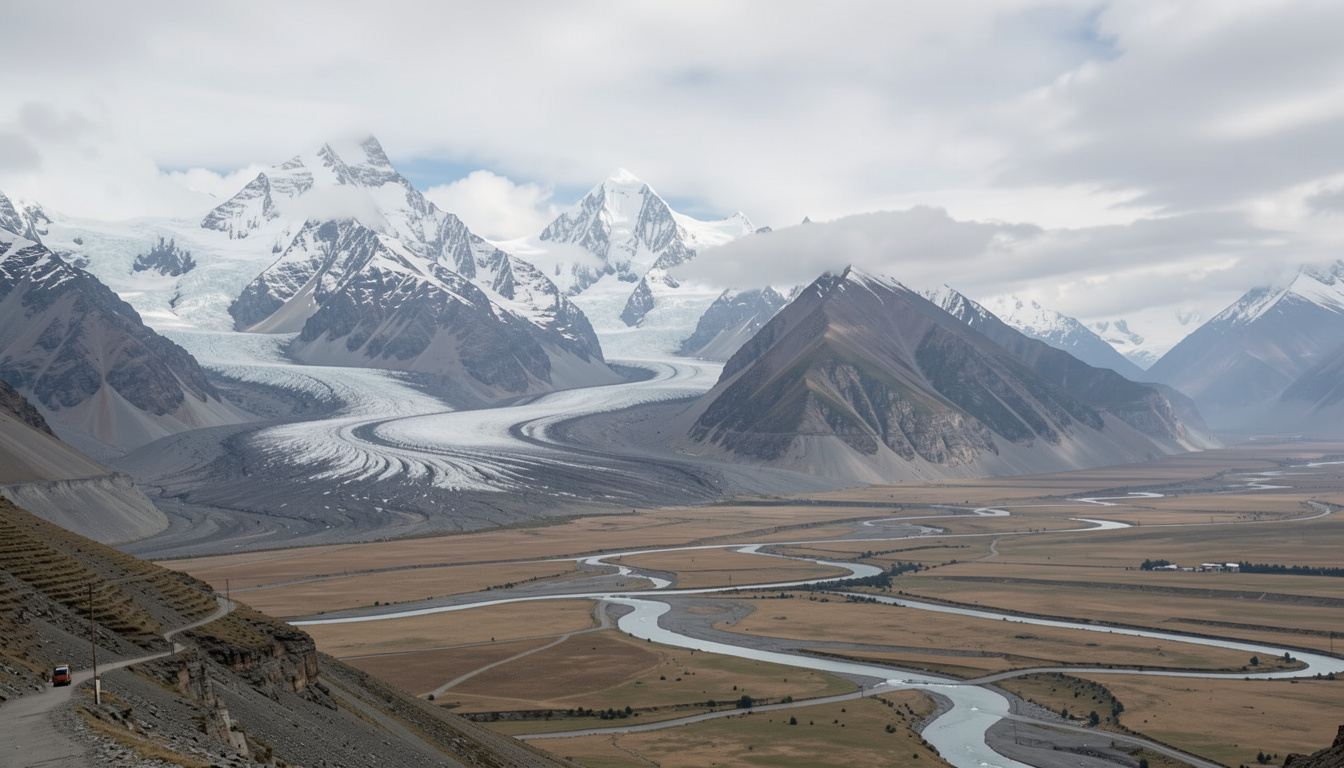
The Everest Base Camp (EBC) trek stands as an iconic adventure drawing tens of thousands of trekkers each year to the roof of the world. However, this adventurous playground is experiencing rapid environmental changes due to the ongoing melting of Himalayan glaciers, driven primarily by climate change. The Khumbu glacier, beneath Mount Everest’s towering heights, is retreating at alarming rates, reshaping the trekking experience, increasing risks, and threatening long-term mountain ecology and local livelihoods. This article explores comprehensive facts, statistics, and future projections related to the impacts of glacial melt on the Everest Base Camp trek.
Himalayan Glacier Retreat: Magnitude and Rates
The Himalayan glacier system holds approximately 54,000 glaciers covering over 60,000 square kilometers, often called the “Third Pole” for its vast ice reserves outside the Arctic and Antarctic. Since the Little Ice Age (400-700 years ago), Himalayan glaciers have lost at least 40% of their ice area, corresponding to a volume loss between 390 and 586 cubic kilometers of ice, which contributes roughly 1 mm to global sea-level rise.
More recent data from Nepal reveals that total glacier area has declined from 3.6% in 1977 to 2.6% in 2010, marking a 24% reduction in glaciated area and about 29% loss of ice volume in Nepalese glaciers over just three decades. The Khumbu glacier and surrounding glaciers in the Everest region have been thinning by an average of 1.73 meters of water equivalent annually, with some glaciers like Imja experiencing even higher mass loss rates of 5.28 meters per year.
Additionally, Himalayan glaciers are retreating at roughly 10-15 meters per year along their terminus zones in key areas, with glacial lakes expanding in size as ice recedes, increasing flood risks.
Temperature Rise and Climate Dynamics
The Everest region is heating faster than the global average: temperatures have increased by approximately 0.6°C over the last 50 years, nearly double the global warming pace. In mountainous regions like Everest, the warming rate has been as high as 0.08°C per year due to elevation-dependent warming, significantly driving glacier melt.
Moreover, seasonal changes, particularly shifts in the pattern and intensity of the South Asian monsoon, exacerbate glacier melting. Monsoon-fed glaciers experience accelerated mass loss due to higher temperatures coinciding with peak snowfall, limiting their accumulation.
Impact on Everest Base Camp and Trekking Routes
Everest Base Camp sits on the Khumbu glacier at around 5,364 meters above sea level. The glacier surface has become increasingly unstable due to thinning ice, melting surface ponds, and crevasse formation. This has led to:
- The disappearance of ice cover as early as April, which was previously present till late May.
- Increased hazards like locked seracs and rockfalls from melting permafrost.
- More dangerous trekking conditions, with climbers advised to ascend during the night to avoid daytime ice collapses.
These physical transformations have made the base camp and surrounding trekking routes less stable and more perilous. Avalanches, rockfalls, and floods have become more frequent, contributing to tragic accidents in recent years.
Prospective Relocation of Everest Base Camp
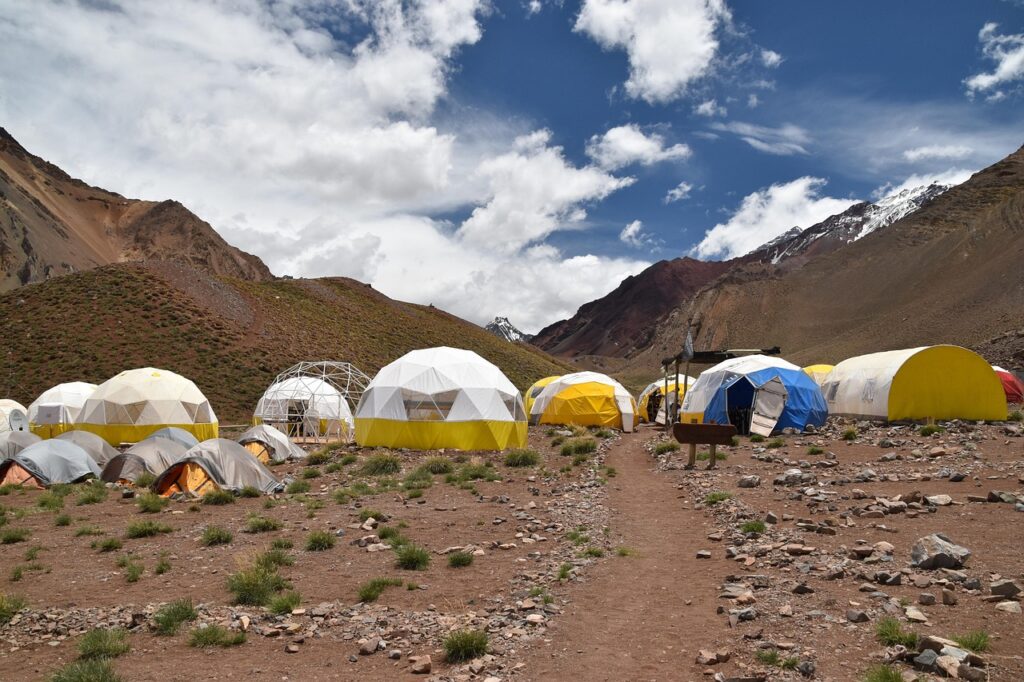
Due to the high risks posed by glacier melt instability, the Nepalese government and mountaineering stakeholders are planning to move the Everest Base Camp to a lower, safer altitude roughly 200 to 400 meters below its current position. The current area requires constant remodeling to maintain tent platforms on unstable ice.
While this move is complex and controversial, it is necessary to reduce risks and maintain the viability of trekking tourism. However, the relocation will also require environmental considerations to avoid further damage to the fragile ecosystem and account for the waste management challenges that have worsened as glacial meltwater redistributes human debris downward.
Trekking Tourism and Economic Importance
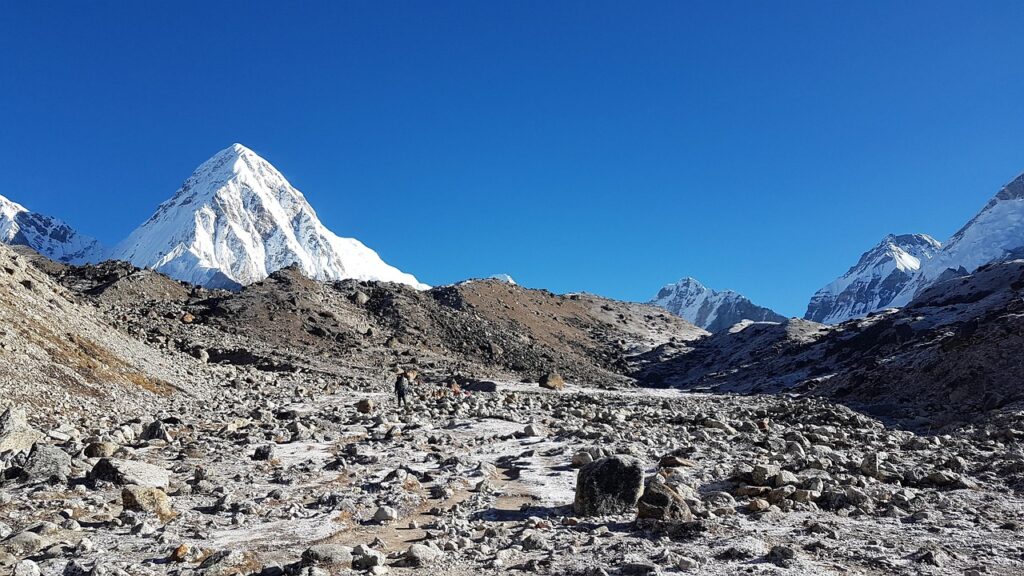
The Everest region experiences significant trekking tourism, an essential economic pillar for Nepal. Approximately 57,000 tourists visited the Everest region in 2022-23, with numbers rebounding to pre-pandemic levels after Covid-19 disruptions. Annually, around 32,000 foreign visitors undertake Everest-related treks and expeditions, primarily between October-November (42%) and March-April (31%) seasons.
This tourism supports thousands of local jobs, including guides, porters, tea house owners, and transport services, contributing substantially to Nepal’s economy—estimated at over 7% of the country’s GDP during peak climbing seasons. However, the environmental footprint of this activity has also inflicted pressure on Everest’s ecosystem, especially regarding waste accumulation and water pollution, amplified as glacial melt redistributes contaminants downstream.
Broader Environmental and Societal Impacts
Apart from threatening the Everest Base Camp trek, glacier retreat imperils water security for over 1.4 billion people in South and Central Asia dependent on Himalayan meltwater for irrigation, hydropower, and drinking water. Glaciers currently contribute up to 25% of the annual river flow in some basins, but as glaciers shrink, this contribution is expected to decline, leading to increasing seasonal water shortages and drought risk.
Glacier melt has already shifted river flow patterns toward greater reliance on monsoon rains instead of steady glacial melt, heightening downstream variability and exacerbating water stress during dry seasons. This intensifies competition for water and could heighten political tensions if governance structures do not adapt.
Ecologically, glacial retreat disrupts high-altitude habitats, affecting flora and fauna adapted to cold environments. The expansion of glacial lakes also raises the risk of potentially catastrophic glacial lake outburst floods (GLOFs).
Scientific Outlook and Urgency of Action
The decade-long acceleration in Himalayan glacier retreat far exceeds any similar global pattern, with losses increasing by a factor of 10 since the Little Ice Age. Without aggressive climate mitigation, some projections estimate up to 80% volume loss by 2100, profoundly altering mountain hydrology and landscapes. Meeting international climate targets could reduce losses by half but requires immediate global action.
Locally, adaptive measures like relocating the base camp, improving waste management, and designing safer trekking routes are vital. Research and continuous monitoring are essential to understand glacier dynamics and develop effective climate resilience strategies.
Conclusion
The glaciers that define the Everest Base Camp trek are melting faster than ever, reshaping the region’s environment, tourism, and local communities. With glaciers retreating at rates up to meters per year and potentially losing more than 40% of their area in recent decades, the trek’s trails grow more hazardous, prompting plans for EBC relocation. This phenomenon is part of a broader Himalayan meltdown threatening water security for billions and demanding urgent climate action. The future of Everest trekking hinges on balancing adventure tourism with sustainable environmental stewardship and innovative responses to glacial melt.