 admin
admin
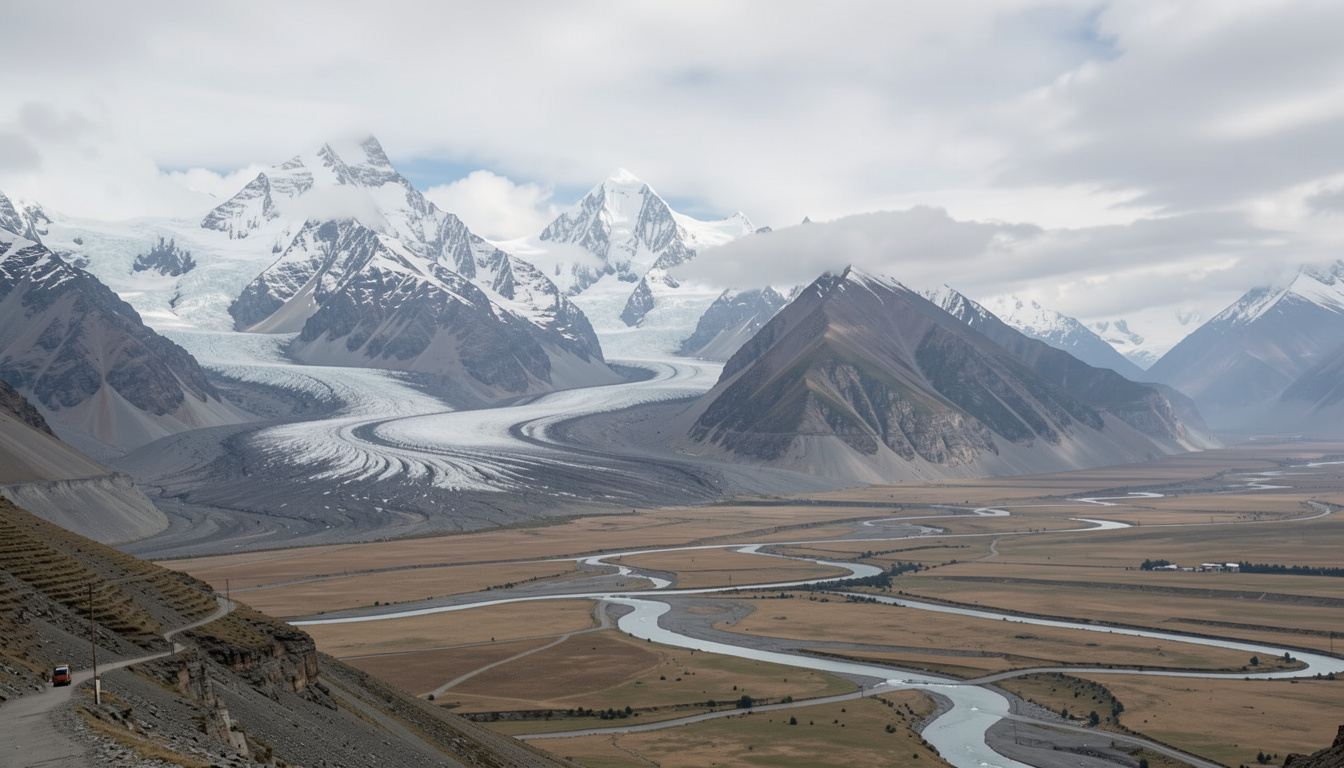
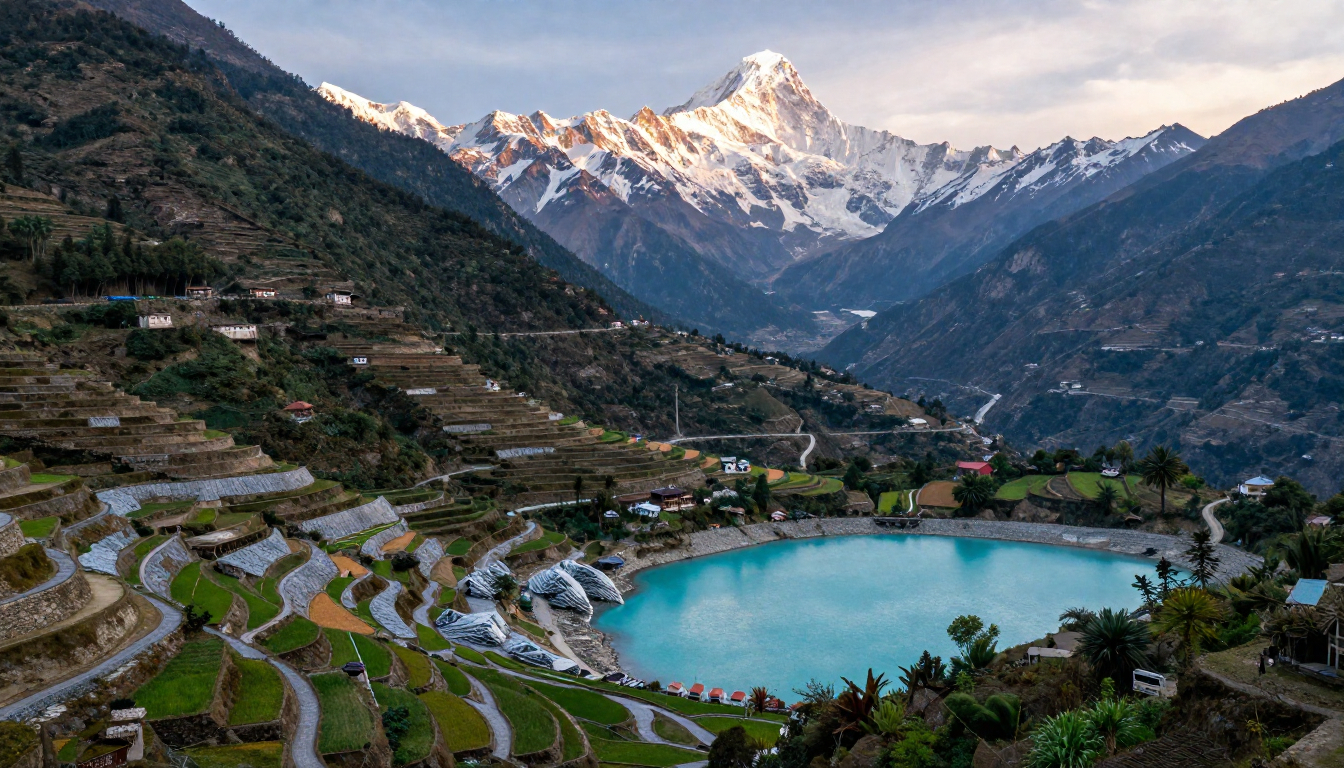
The Himalayas, the world’s “Third Pole,” hold more frozen water than anywhere outside the Arctic and Antarctic. Stretching across eight countries, these mountains supply freshwater to nearly two billion people, sustaining rivers, farms, hydropower, and daily life. Yet this lifeline is under threat. Rising temperatures are reshaping glaciers, rivers, and communities faster than scientists expected.
Glaciers Disappearing at Alarming Speeds
Studies reveal the Himalayas are warming 0.3°C to 0.7°C faster than the global average, causing glaciers to retreat at unprecedented rates. Between 2011 and 2020, melting accelerated by 65% compared to the previous decade. If emissions continue unchecked, up to 80% of Himalayan glaciers could vanish by 2100, endangering the water security of millions.
Short-term, accelerated melting may trigger floods, but the long-term story is more severe: rivers that communities rely on for drinking water, irrigation, and hydropower will run low when they are most needed.
Rivers in Peril: Water for Billions
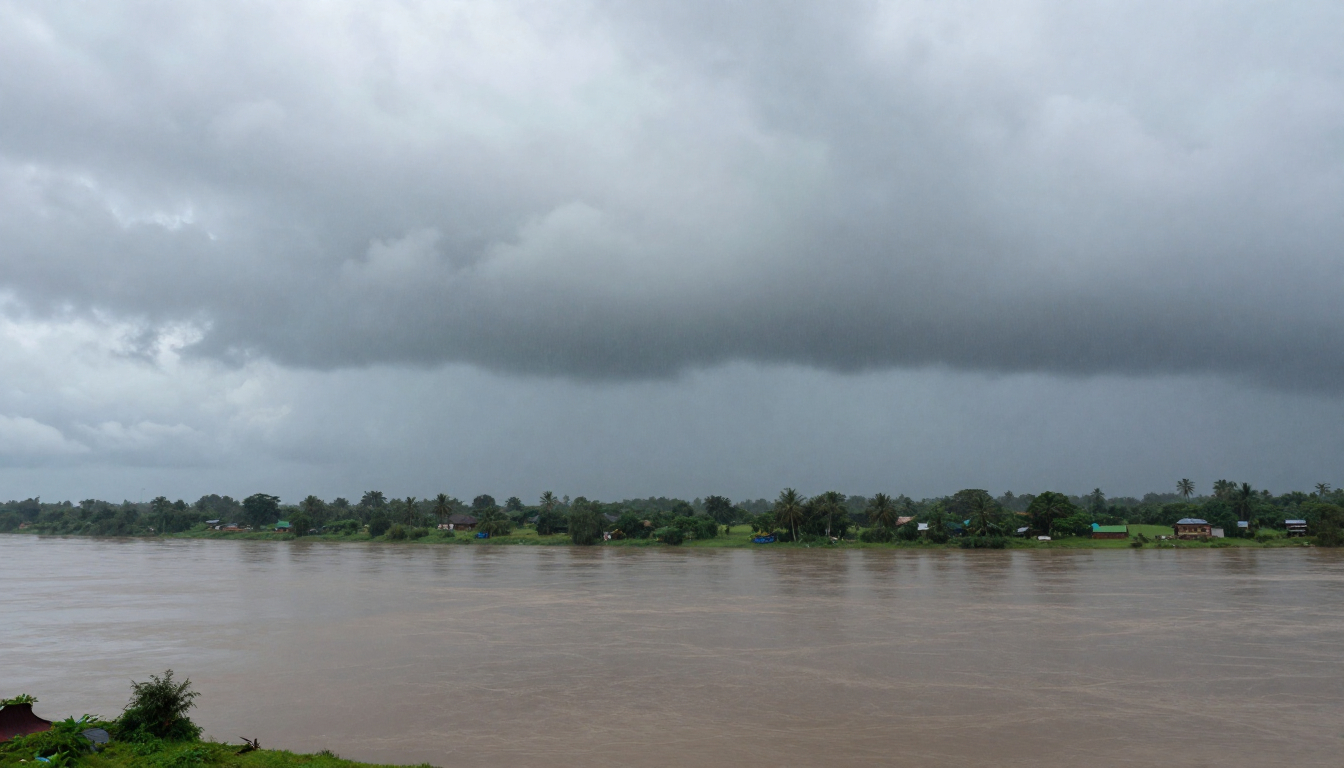
Himalayan glaciers feed ten of Asia’s major rivers, including the Ganges, Brahmaputra, Indus, Yangtze, and Mekong. These waterways underpin agriculture, sanitation, energy, and ecosystems for nearly a quarter of humanity.
Without steady glacier flow, seasonal water shortages will become the norm. Farmers in South and Southeast Asia may face crop failures. Cities dependent on river systems could struggle to supply drinking water. Hydropower output will fluctuate, disrupting energy security.
Glacial Lake Outburst Floods and Landslides
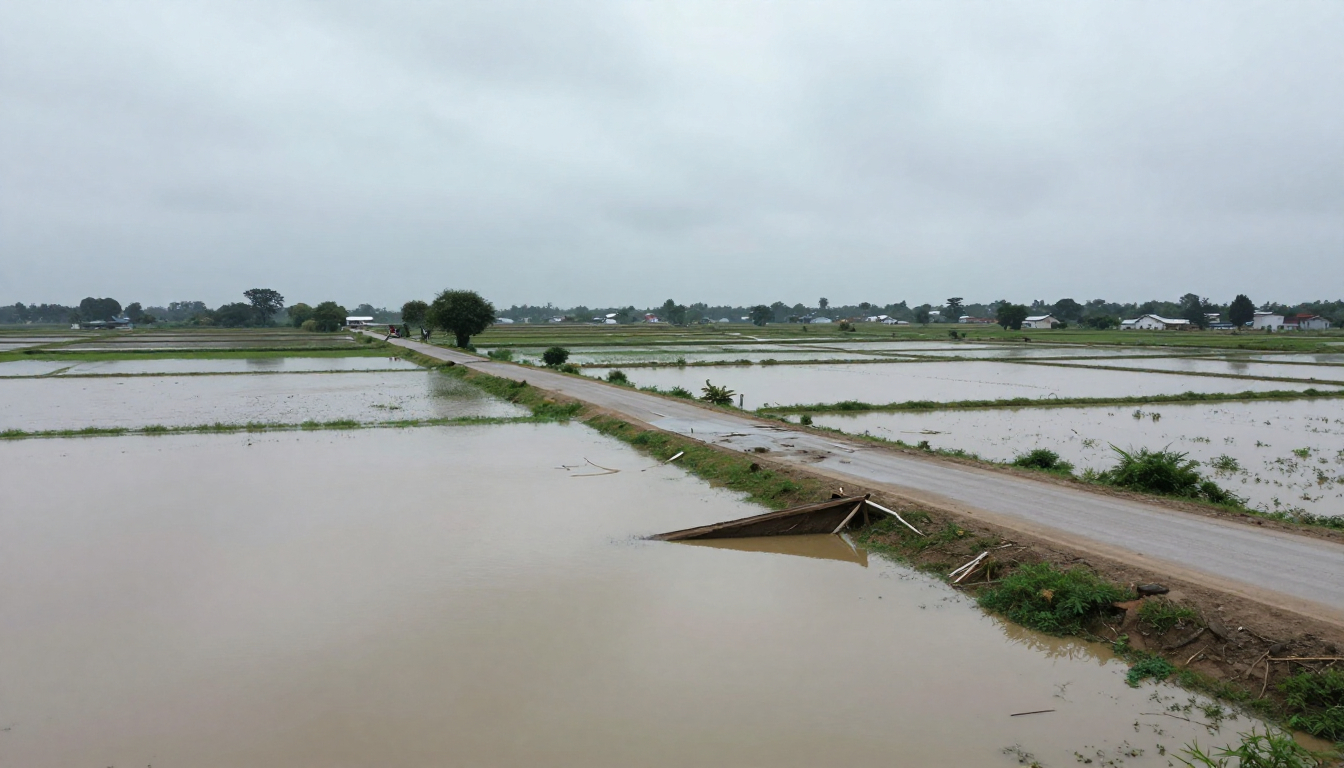
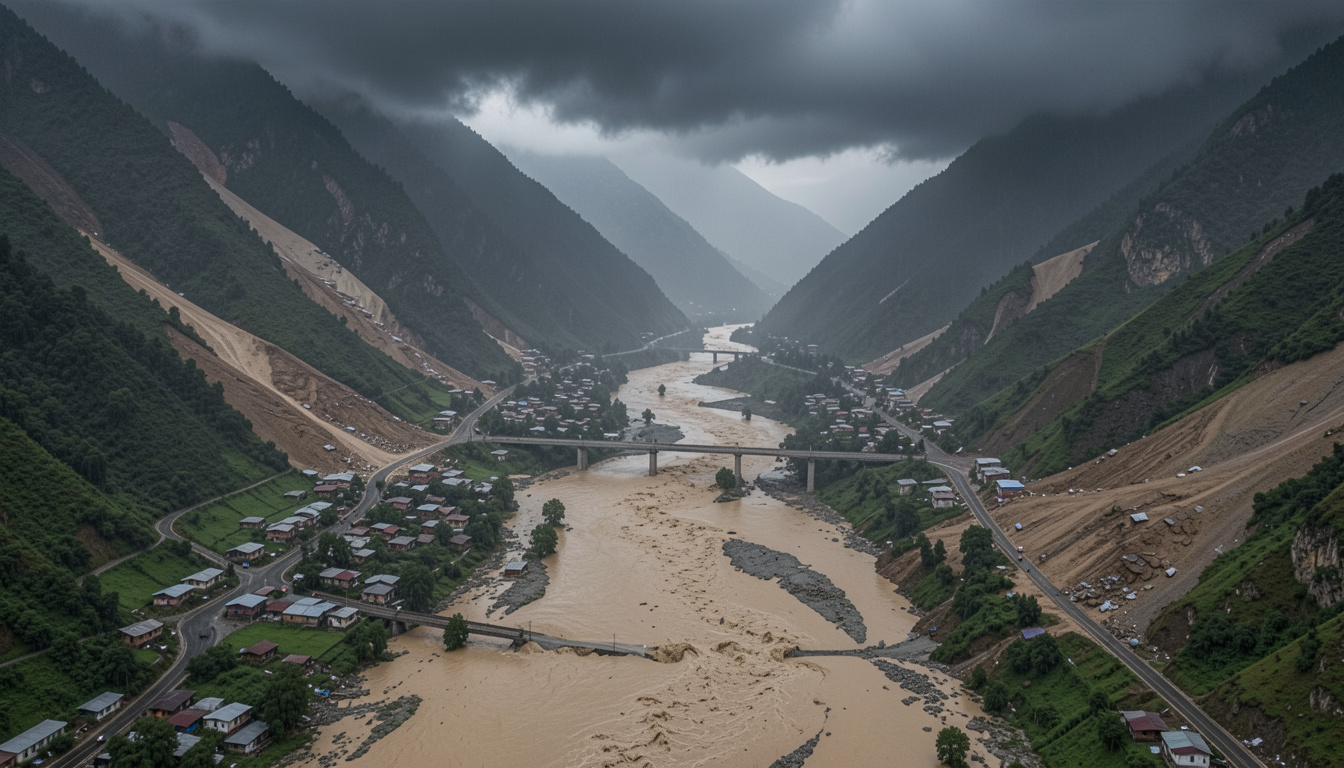
As glaciers retreat, unstable lakes form behind ice and debris dams. When these glacial lakes burst — known as GLOFs — destruction is sudden and catastrophic. One recent example: South Lhonak Lake in Sikkim, India, burst in 2023, flooding villages, washing away roads, and damaging infrastructure.
Melting permafrost, unstable slopes, and erratic rainfall amplify landslide risks. Flash floods and droughts are no longer rare events – they are becoming the new normal, threatening mountain communities already living on the edge.
A Biodiversity Hotspot Under Pressure
The Himalayas are home to snow leopards, red pandas, Himalayan monals, and countless endemic species. But as temperatures rise, wildlife is forced uphill, shrinking habitats and increasing human-wildlife conflict. Iconic species may face local extinction if current trends continue.
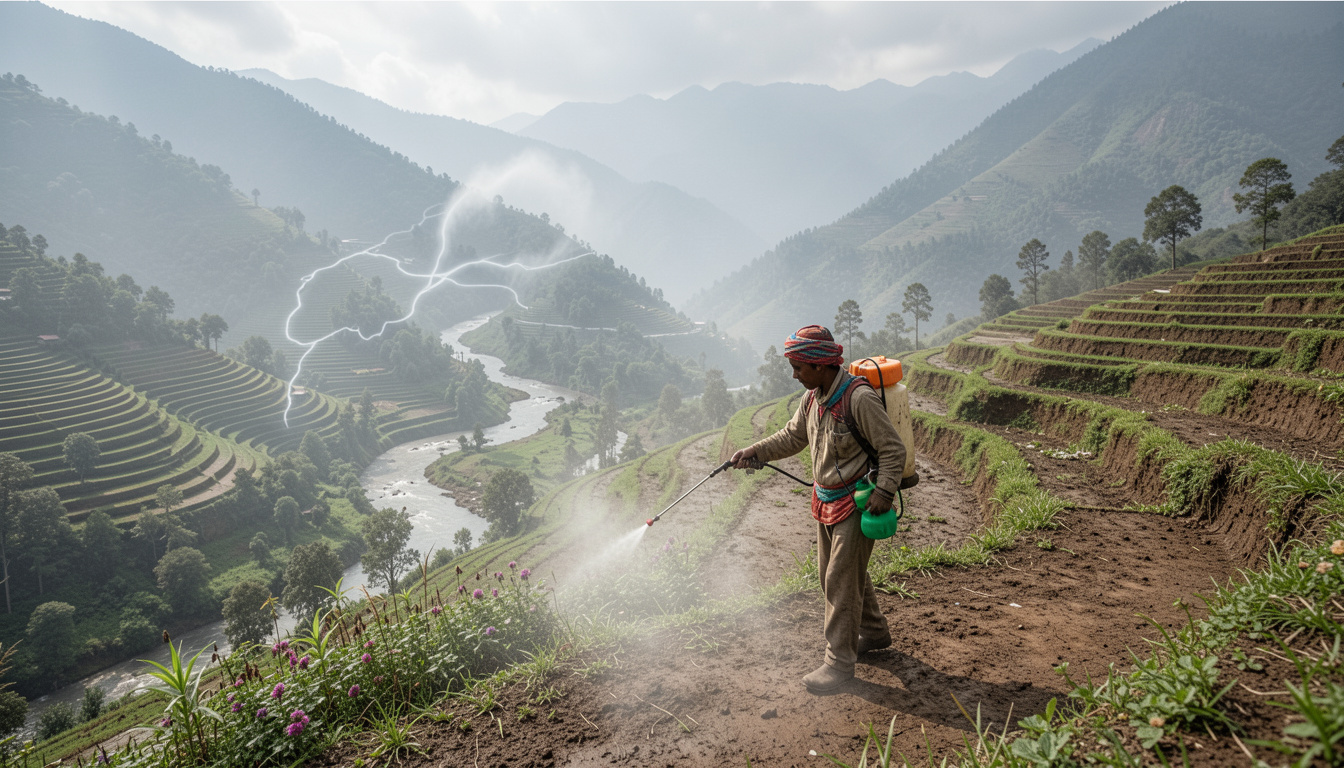
Communities that rely on agriculture, animal husbandry, and tourism feel the impact daily: water scarcity, crop failures, and disappearing income sources. Even generations of traditional knowledge are struggling to keep pace with rapid ecological change.
Solutions: Global Action Meets Local Resilience
Protecting the Himalayas requires urgent and coordinated action:
- Cut greenhouse gas emissions rapidly to slow warming
- Invest in early-warning systems and climate-resilient infrastructure
- Strengthen local adaptation programs for mountain communities
- Enhance cross-border cooperation among the eight Himalayan nations
The Himalayas are not just scenic landscapes – they are a lifeline for billions. How humanity responds now will determine whether these mountains remain a source of water, biodiversity, and livelihoods – or become a warning of what happens when the planet’s water towers fail.

 Nirajan Dahal