 Nirajan Dahal
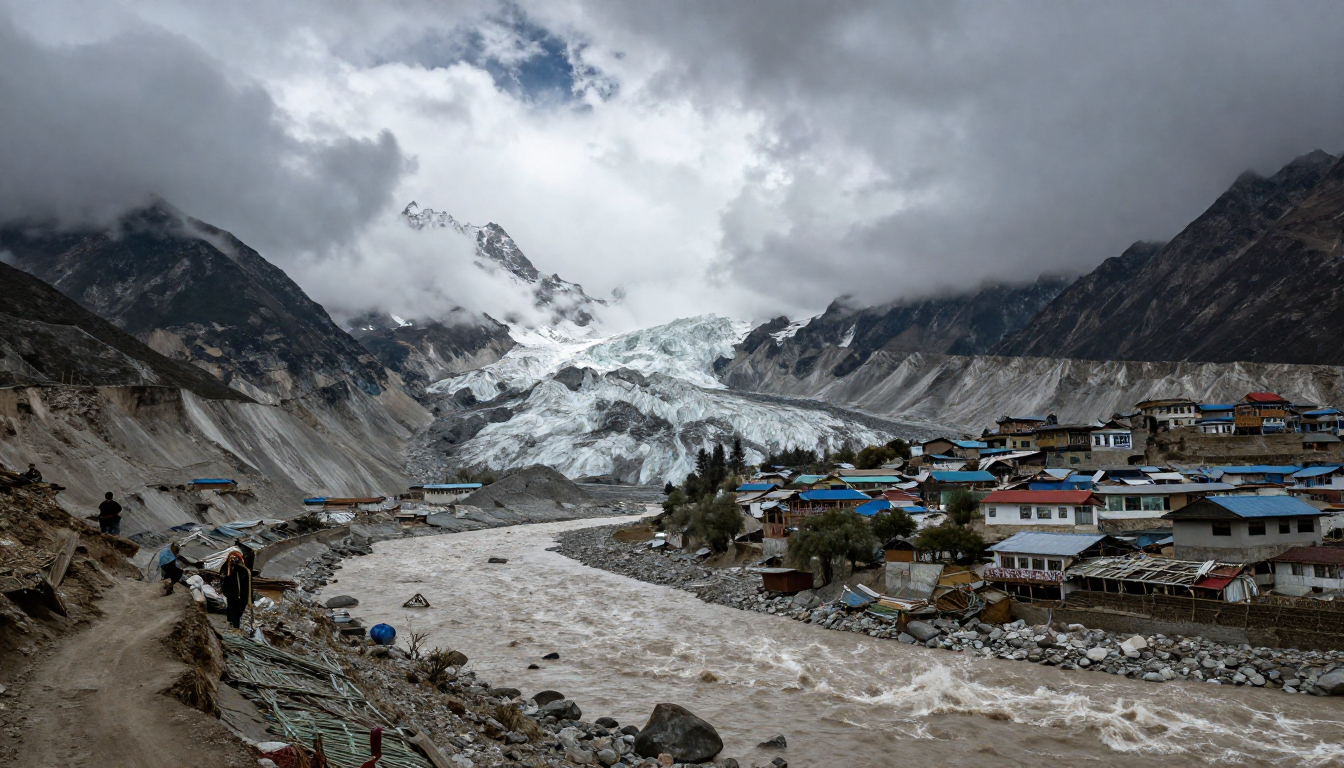
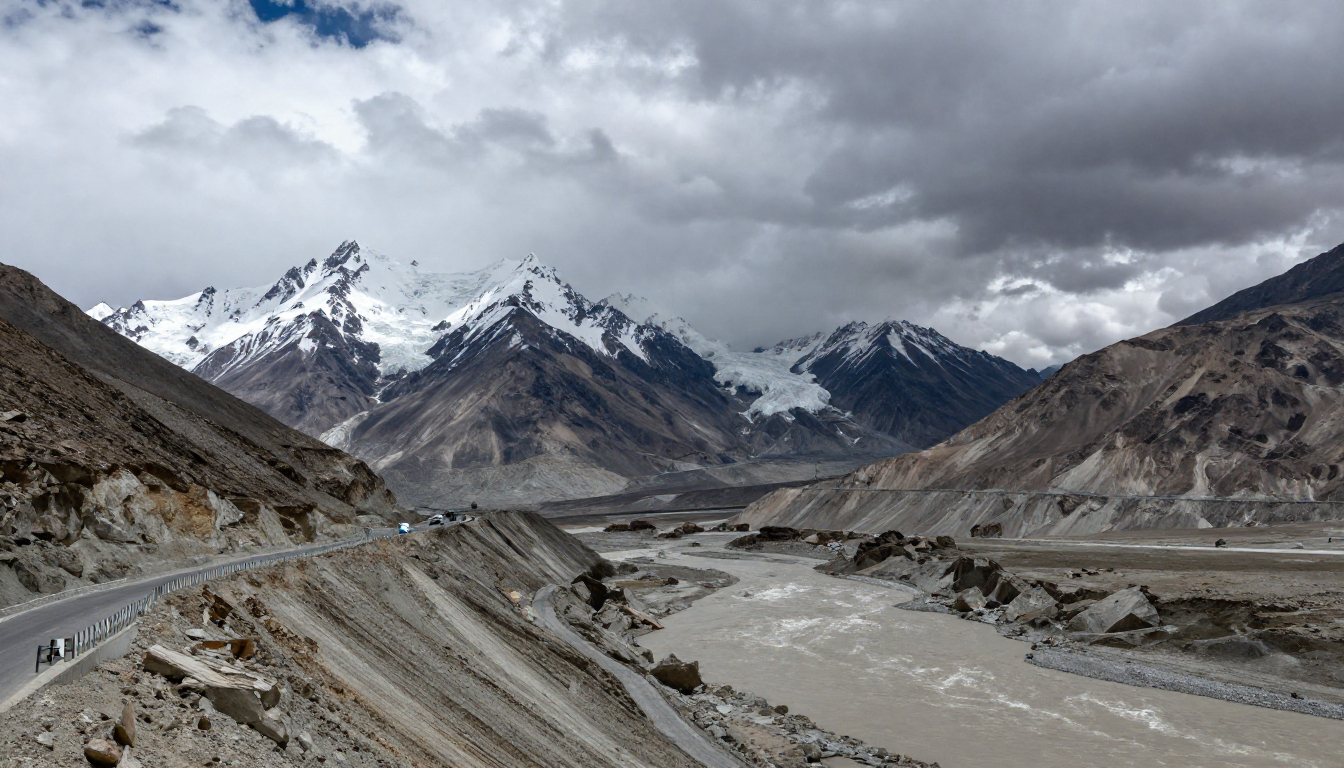
For centuries, the Himalayas have been defined by winter snow cover. Today, that defining feature is disappearing. Large sections of the range now experience exposed rock and rapidly melting ice. Meteorological data shows below-average snowfall across most winters in the past five years. Rising temperatures mean snow melts faster and lower-elevation areas see rain instead of snow. This Himalayas winter snow decline is a structural shift affecting rivers, villages, and nearly two billion people downstream.
Meteorological data shows that winter precipitation across the Himalayas has declined noticeably when compared with historical averages from the late 20th century. Most winters over the past five years have recorded below-normal snowfall, with some regions experiencing near-dry conditions during months that traditionally sustained snowpack.
Rising temperatures compound the issue. Even when snow does fall, it persists for shorter periods, melting earlier in the season and reducing its contribution to spring and summer water flows. Lower-elevation areas are increasingly seeing rain instead of snow, a transition that climate models have long associated with global warming trends.
Why winter snowfall matters beyond appearance
Winter snow is not merely a visual or seasonal phenomenon; it functions as a long-term storage system for water. Snow accumulated during winter gradually melts as temperatures rise, feeding rivers that support drinking water, agriculture, hydropower generation, and ecosystems across South Asia.
A sustained decline in winter snowfall disrupts this balance. Reduced snowpack leads to lower river flows during critical dry months, increasing pressure on water resources downstream. For regions already facing population growth and rising demand, this creates systemic vulnerability rather than isolated shortages.
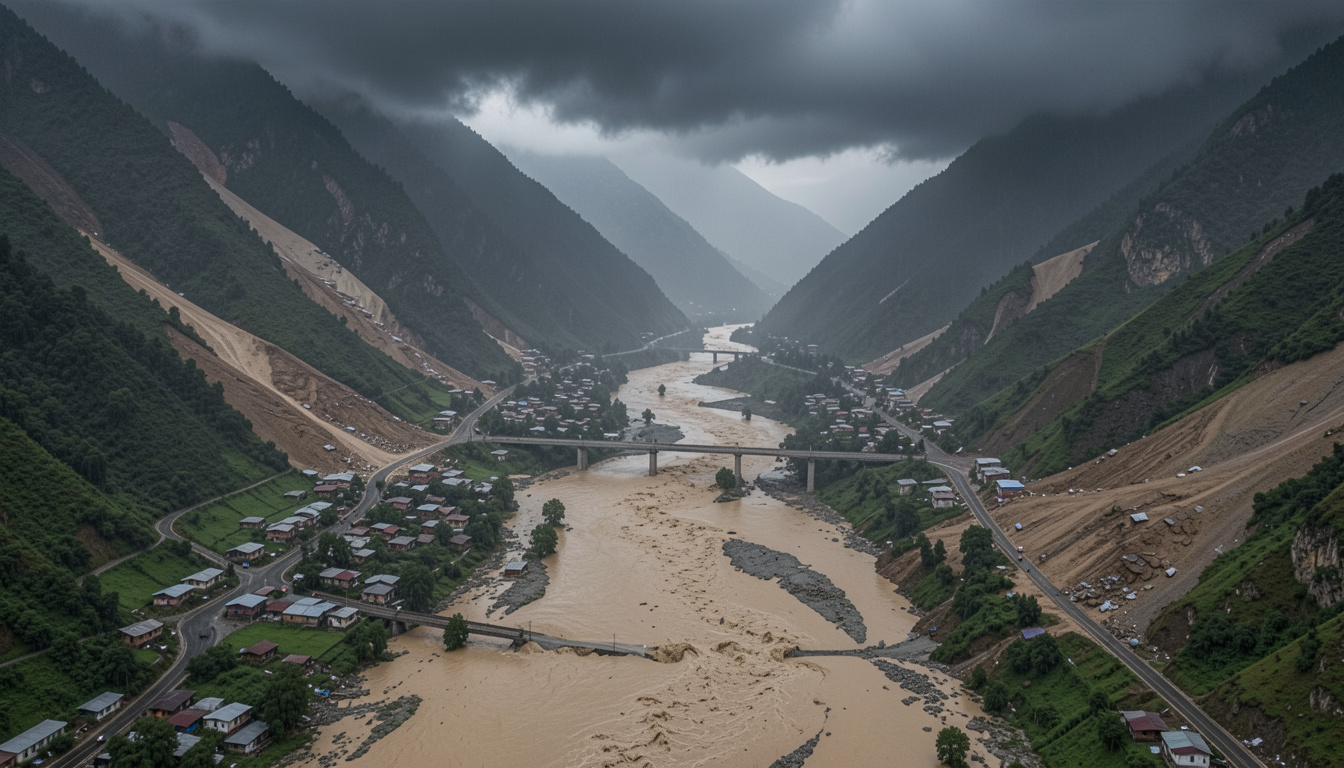
From a tourism and travel perspective, the implications are equally significant. Snow cover influences not only seasonal travel patterns but also the stability of trekking routes, mountaineering infrastructure, and high-altitude settlements. As snow and ice retreat, slopes lose the natural binding that stabilises rock and soil, increasing the likelihood of landslides, rockfalls, and sudden terrain failures.
Evidence of a persistent decline
Scientific assessments using multiple climate datasets confirm that the reduction in winter precipitation is consistent across large parts of the western and central Himalayas. Studies comparing recent years with long-term averages indicate snowfall reductions of up to 25% in some regions over a relatively short period.
Snow persistence—how long snow remains on the ground without melting—has also declined sharply. Recent winters have recorded some of the lowest persistence levels in more than two decades across the Hindu Kush Himalayan region. These findings suggest that even when snowfall events occur, they are increasingly short-lived and unevenly distributed.
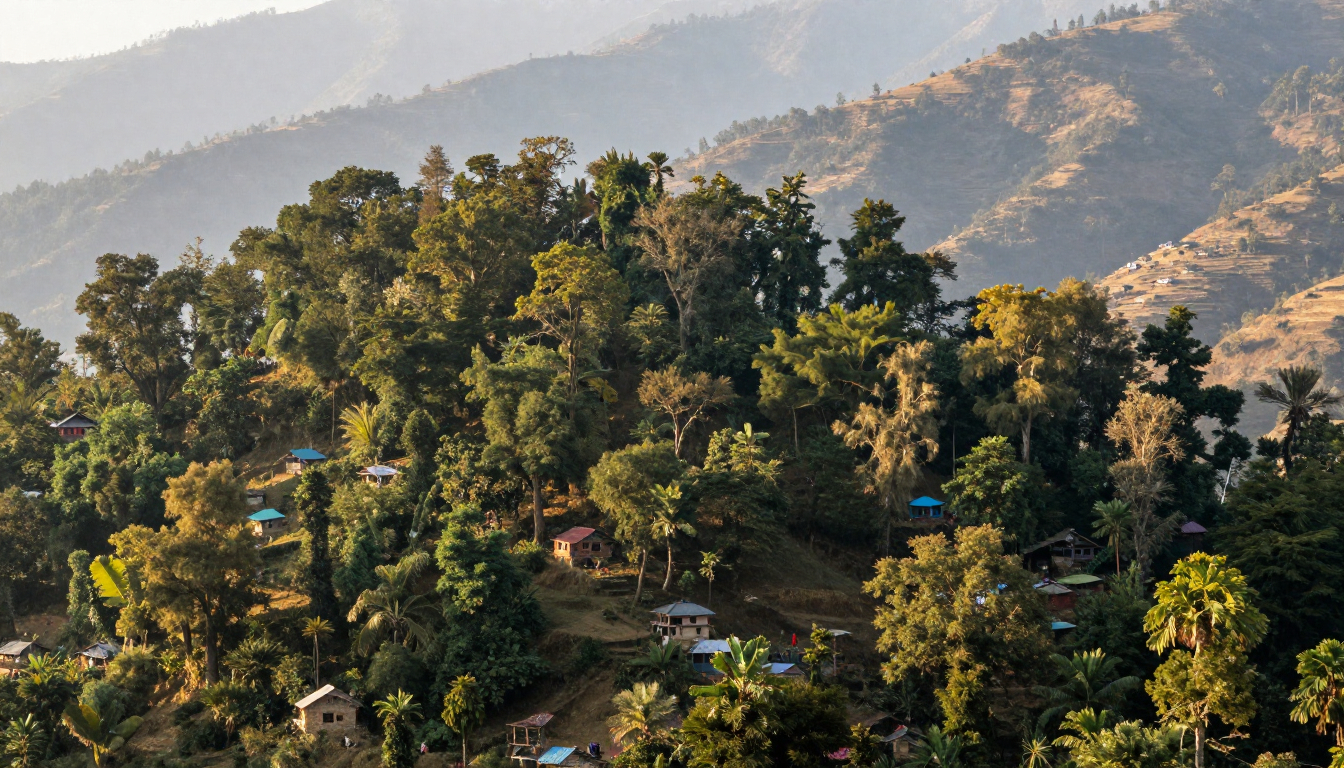
Nepal, which hosts a substantial portion of the central Himalayas, reflects the same pattern. Recent winters have been characterised by extended dry periods punctuated by isolated, intense snowfall events. While such extremes attract attention, they do not compensate for the loss of steady, season-long snow accumulation that historically sustained glaciers and river systems.
Structural causes, not short-term anomalies
Most researchers link these changes to alterations in winter weather systems known as westerly disturbances. These systems historically transported cold air and moisture into the Himalayas during winter months. Evidence now suggests they are becoming weaker and less effective at delivering precipitation, possibly due to broader atmospheric warming and circulation changes.
While scientific research continues to refine these mechanisms, the overall trend is already clear. The Himalayas are experiencing a dual pressure: accelerated glacier retreat combined with declining winter snowfall. Each amplifies the impact of the other.
Long-term implications for people, ecosystems, and tourism
The consequences of this shift extend well beyond environmental concerns. Nearly two billion people depend, directly or indirectly, on river systems fed by Himalayan snow and ice. Reduced snow accumulation threatens both long-term water availability and short-term seasonal reliability.
For the travel and tourism sector, the risks are increasingly operational rather than theoretical. Unstable terrain, unpredictable seasons, and growing disaster exposure affect route planning, insurance, infrastructure investment, and visitor safety. At the same time, communities that rely on tourism face growing uncertainty as environmental conditions change faster than adaptation measures.
Why this matters now
The gradual disappearance of winter snow in the Himalayas signals a deeper transformation underway. This is not simply a loss of scenic beauty, but a shift in how the region functions as a water source, a climate regulator, and a destination.
Addressing this challenge requires long-term thinking, regional collaboration, and sustained investment — not only in conservation, but in climate-resilient tourism, monitoring systems, and adaptive infrastructure. For stakeholders in the travel industry, supporting research, awareness, and resilience initiatives is increasingly aligned with protecting the future of the destinations they depend on.
The Himalayas are changing quietly, season by season. The question is no longer whether this trend will continue, but how prepared the region — and those who benefit from it — are to respond.