 Nirajan Dahal
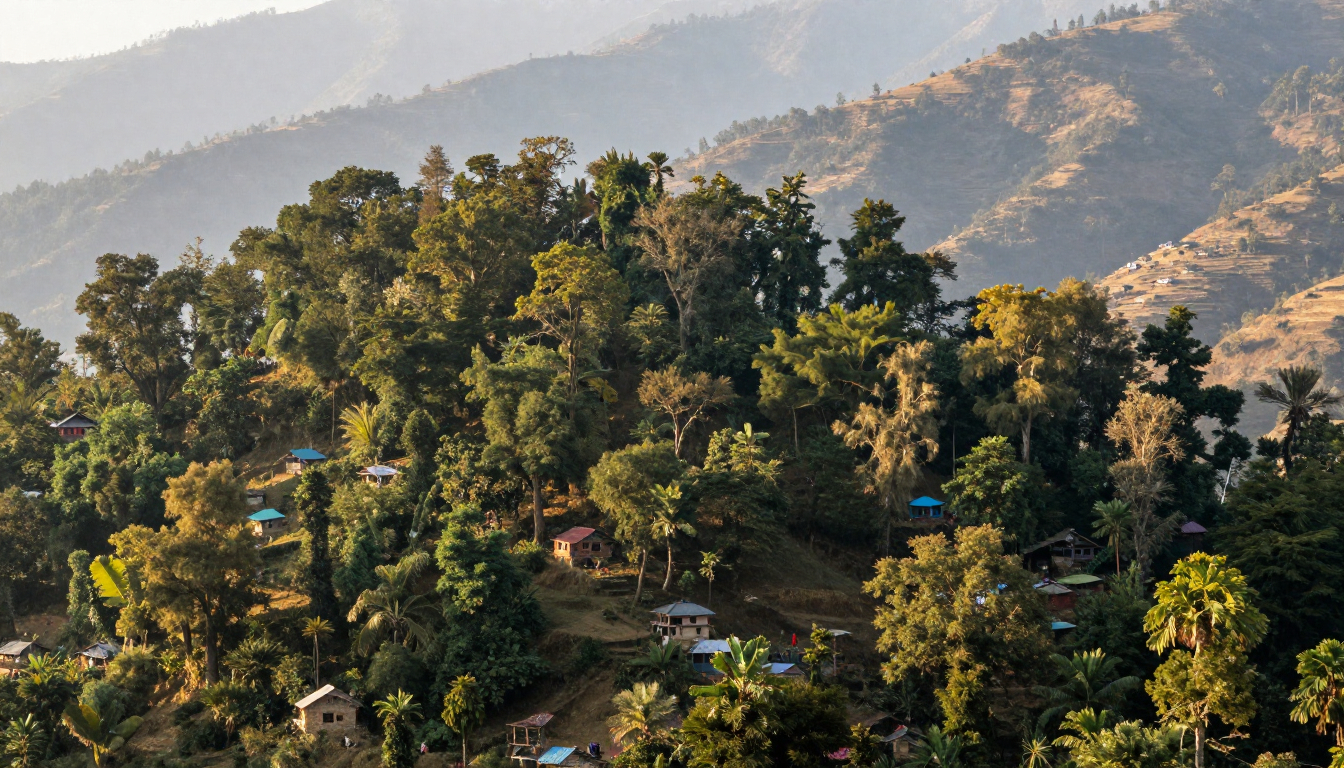
Nepal, a country celebrated for its breathtaking landscapes – from lush tropical plains to the towering peaks of the Himalayas – is home to an extraordinary variety of wildlife. From elusive snow leopards prowling high alpine terrains to vibrant red pandas hiding among bamboo forests, Nepal’s biodiversity is truly remarkable. However, this rich natural heritage faces a growing threat: climate change.
Rising temperatures, shifting rainfall patterns, and unpredictable weather events are disrupting ecosystems and putting Nepal’s endangered species at risk. Understanding these impacts is crucial not only for conservation but also for generating support, funding, and sustainable strategies to protect wildlife.
How Climate Change is Transforming Nepal’s Wildlife Habitats
Nepal is warming faster than the global average, leading to profound changes in its ecosystems:
1. Upward Shift of Ecosystems:
Rising temperatures are pushing tree lines higher into the mountains, shrinking alpine habitats. Snow leopards, for example, are being confined to smaller, fragmented areas, increasing competition with other predators and raising the risk of human-wildlife conflict.
2. Erratic Rainfall and Droughts:
Changing precipitation patterns, including unpredictable monsoons and prolonged dry spells, impact the availability of water and food. Herbivores such as swamp deer and wild water buffalo are directly affected, causing cascading disruptions across the food chain.
3. Glacial Melt and Water Flow Disruption:
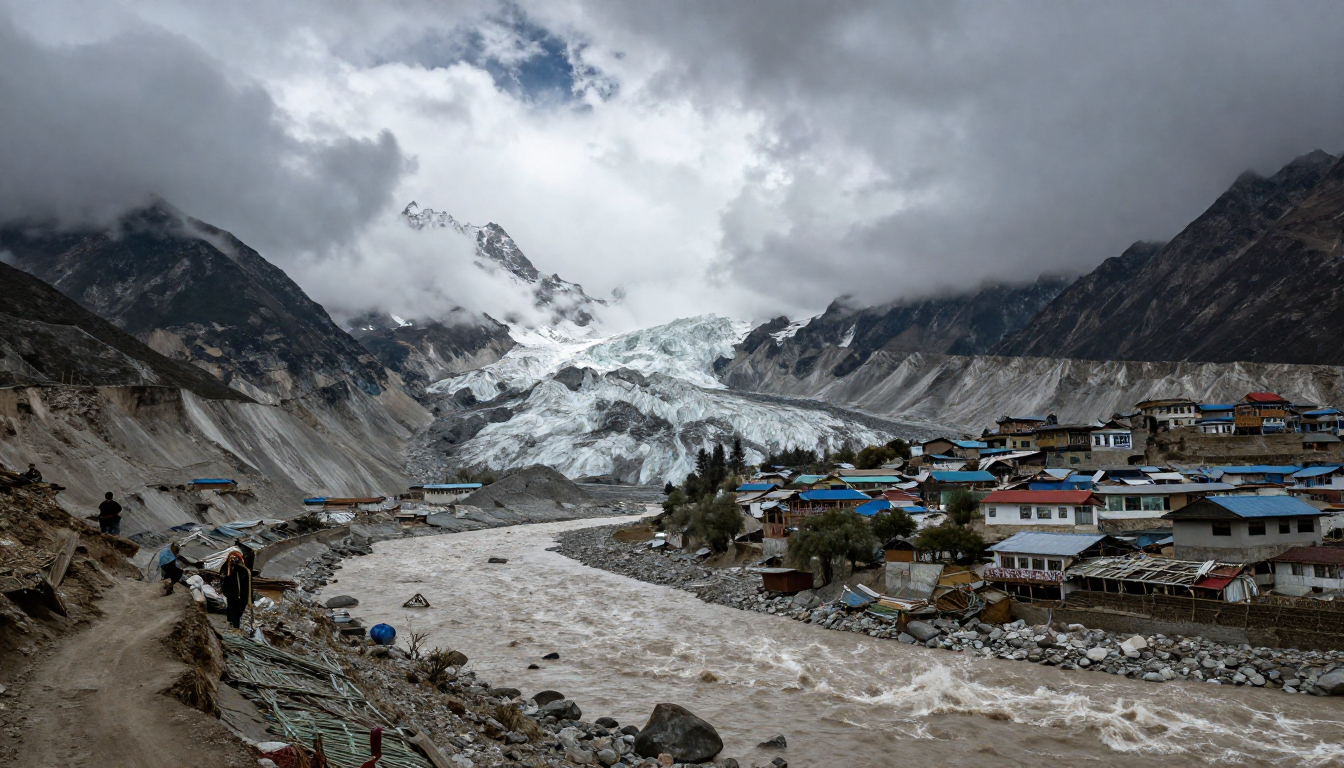
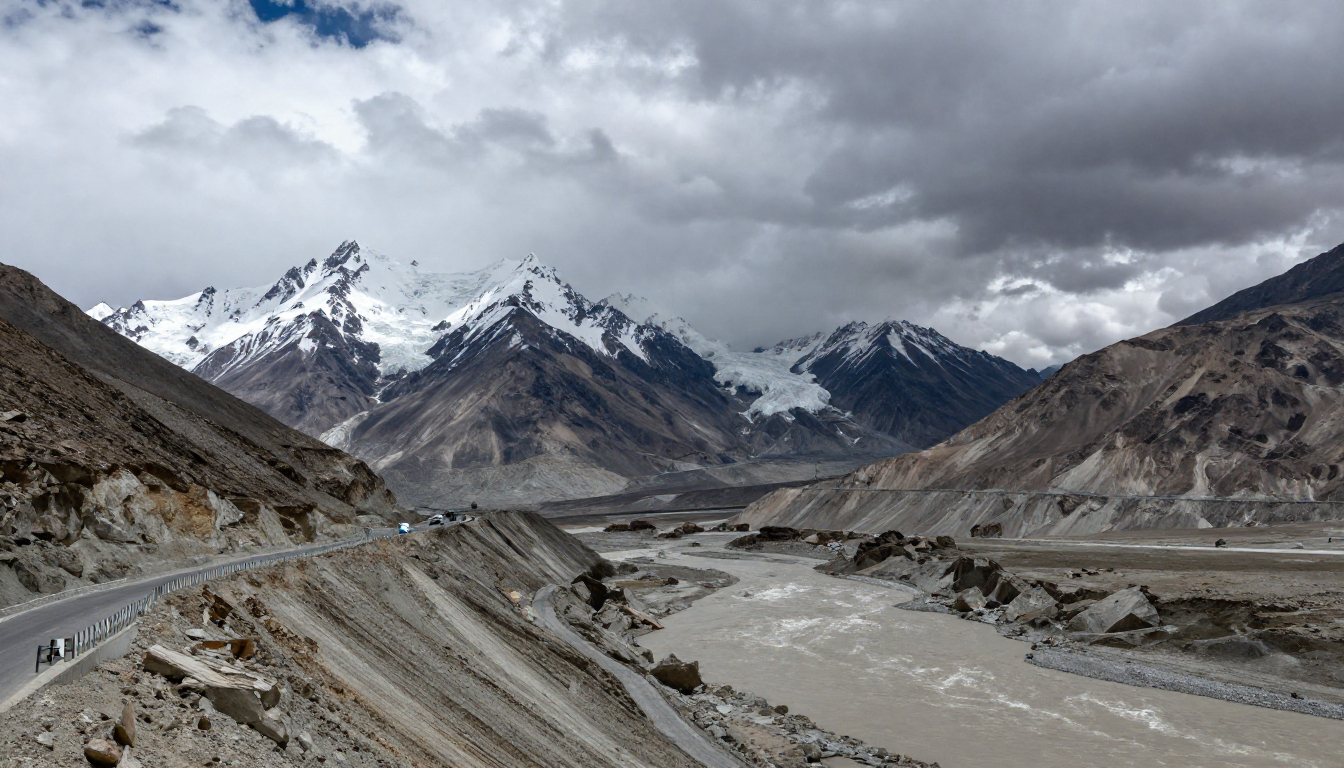
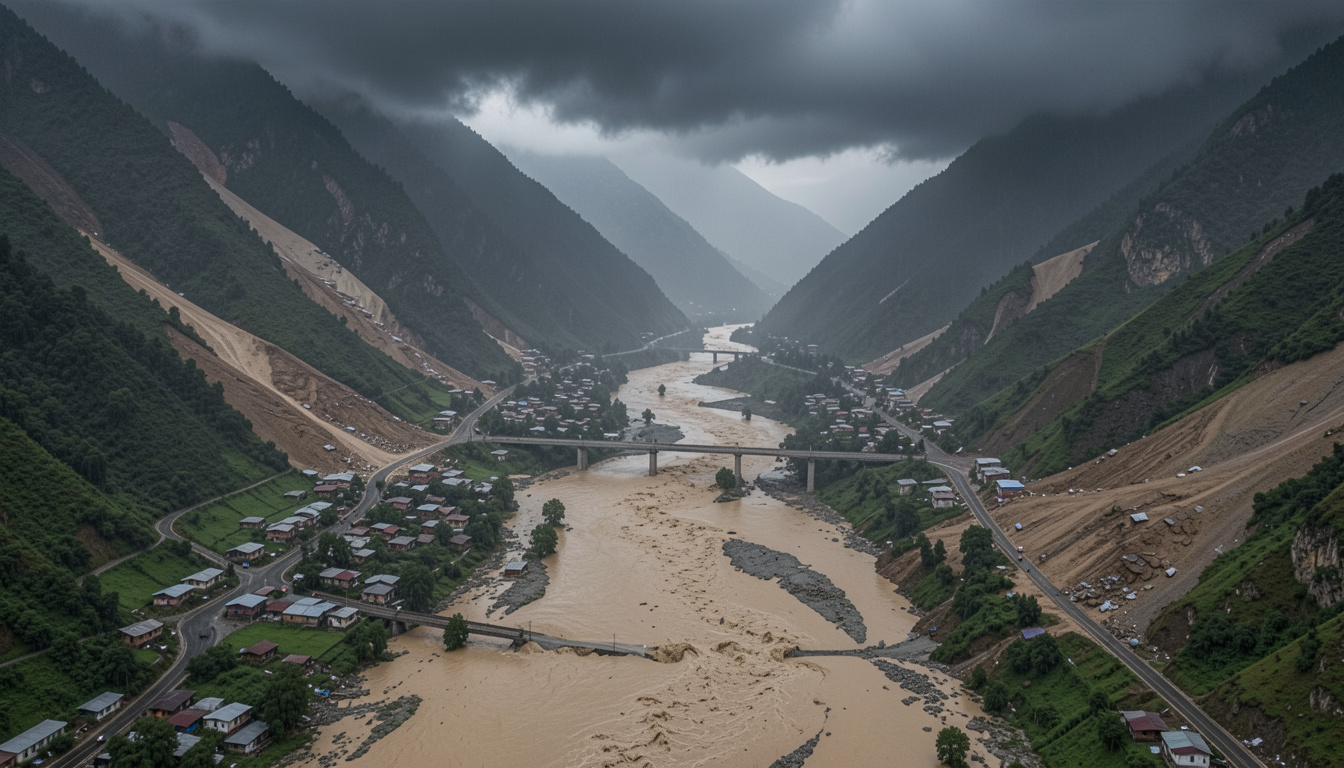
Rapid glacial recession is altering river systems, threatening aquatic species like snow trout and gharials. Glacial lake outburst floods (GLOFs) can devastate downstream habitats, displacing wildlife and destroying vital ecosystems.
4. Increased Forest Fires:
Longer, hotter dry seasons are fueling forest fires, particularly in Nepal’s Terai region. These fires destroy critical habitats for Bengal tigers, rhinos, and other wildlife, further stressing endangered populations.
Endangered Species Under Threat
Climate change is not an abstract phenomenon – it has real, measurable effects on Nepal’s wildlife:
Snow Leopard:
With alpine habitats shrinking due to warming and encroaching forests, snow leopards may lose up to 40% of their suitable habitat by 2050. Habitat loss also increases encounters with other predators, adding pressure to an already vulnerable species.
Red Panda:
Rising temperatures and the decline of bamboo forests threaten the red panda, restricting its narrow ecological niche and putting the species at higher risk of extinction.
One-Horned Rhinoceros and Swamp Deer:
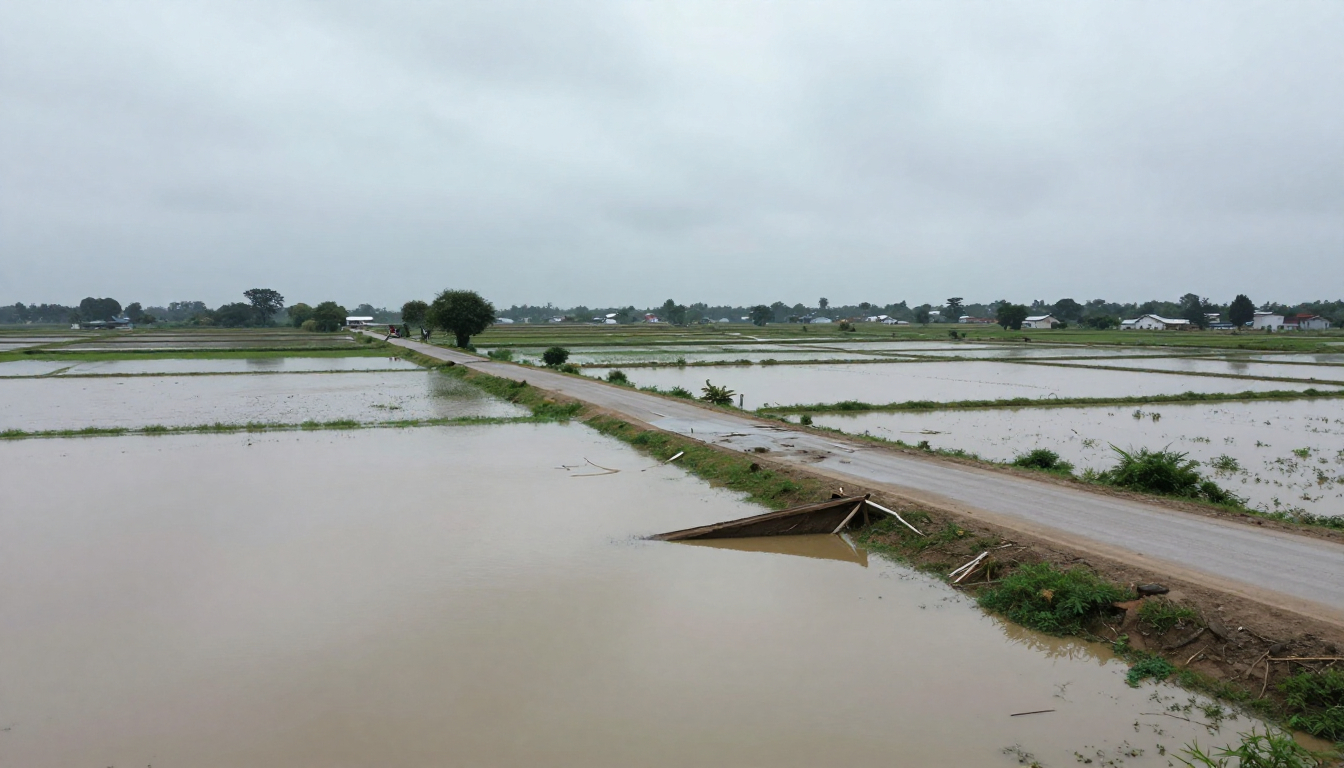
Flooding and erratic weather events displace these lowland species, increasing mortality rates and disrupting breeding cycles. Poaching and habitat fragmentation compound the problem.
Birds and Other Wildlife:
Many bird species are forced to relocate as habitats shift. Invasive plants like Lantana further reduce food availability and habitat quality, impacting both native flora and fauna.
Emerging Threats Intensified by Climate Change
The changing climate also introduces new challenges for Nepal’s wildlife:
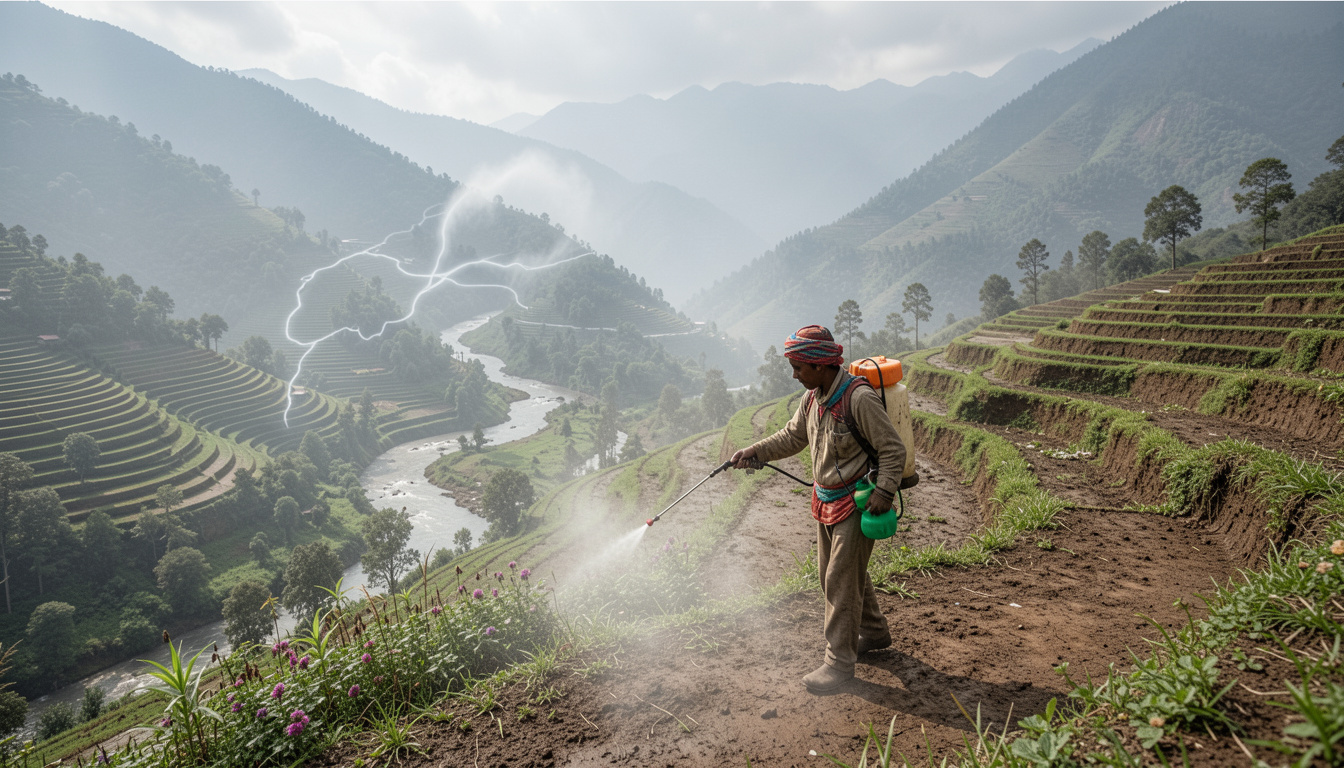
- Invasive Species: Warmer and wetter conditions favor invasive species that outcompete native plants, reducing forage for herbivores and altering ecosystem balance.
- Disease Spread: Mosquito-borne illnesses and other pathogens are moving to higher altitudes, affecting both wildlife and livestock.
Conservation in a Climate-Impacted World
Protecting Nepal’s endangered species is no longer just about anti-poaching or protected areas—it requires climate-aware strategies.
Community Engagement: Local communities are vital conservation partners, yet water scarcity and agricultural pressures caused by climate change can reduce their participation. Supporting these communities is key to sustainable wildlife protection.
Habitat Connectivity: Preserving corridors between habitats allows species to migrate safely in response to changing conditions.
Controlling Invasive Species: Active management of invasive plants and support for native flora helps maintain food sources and ecological balance.
Climate Adaptation in Conservation Plans: Integrating climate-resilient strategies ensures that conservation efforts remain effective in the long term.
Why Funding and Awareness Matter
Nepal’s wildlife is not just a national treasure – it is part of the planet’s ecological heritage. Addressing climate change impacts on endangered species requires resources, research, and global awareness. Funding initiatives, community programs, and sustainable tourism can all contribute to protecting these iconic species. By supporting conservation efforts today, we can help Nepal’s wildlife endure and thrive for generations to come.