 Nirajan Dahal
Nepal, a country famed for its breathtaking landscapes and rich biodiversity, is home to some of the world’s most endangered wildlife. From the dense forests of the Terai to the high Himalayan peaks, ecosystems here shelter iconic species like the Bengal tiger, red panda, Asian elephant, and snow leopard.
But this natural wealth is under growing threat. Habitat loss in Nepal, driven by both human activity and climate change, is disrupting ecosystems and pushing many species closer to extinction. Protecting these habitats is vital not just for wildlife, but also for people who depend on forests, rivers, and mountains for food, water, and livelihoods.
Causes of Habitat Loss in Nepal
Human Activity
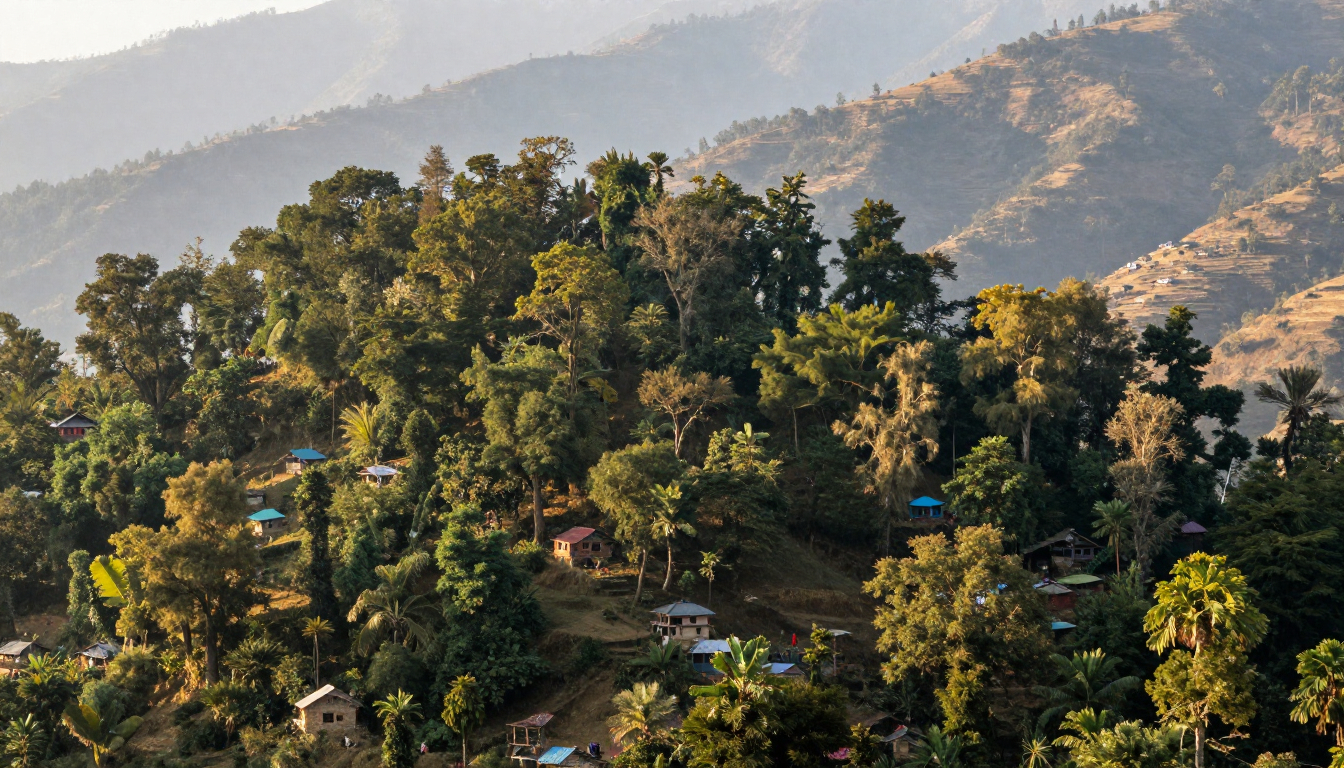
Nepal’s rapid population growth and development are putting immense pressure on natural resources. Expanding agriculture, urban sprawl, infrastructure projects, and illegal logging are fragmenting forests that once supported wide-ranging animals.
For example, the Terai Arc Landscape, once a continuous tiger and elephant stronghold, is now broken up by farms, roads, and settlements. Similarly, red panda habitats in eastern Nepal are shrinking due to deforestation and livestock grazing.
Climate Change
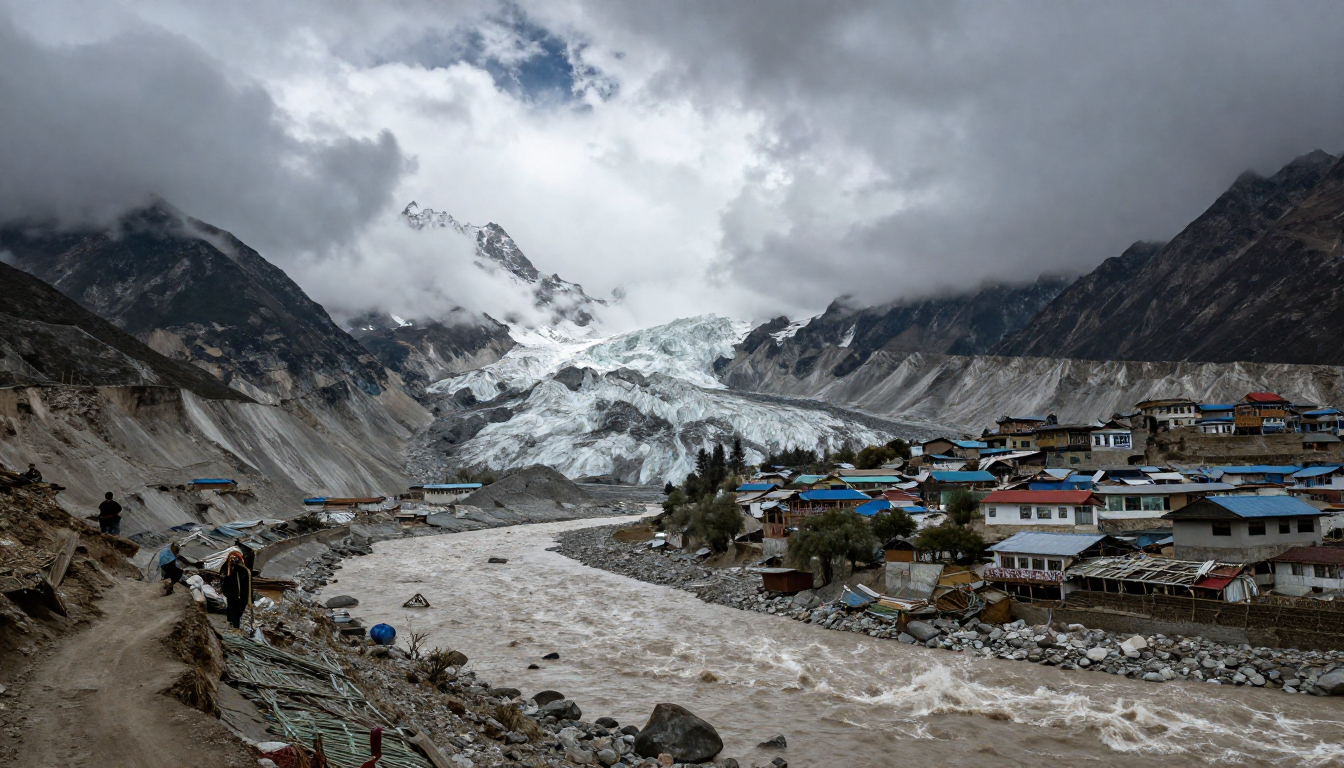
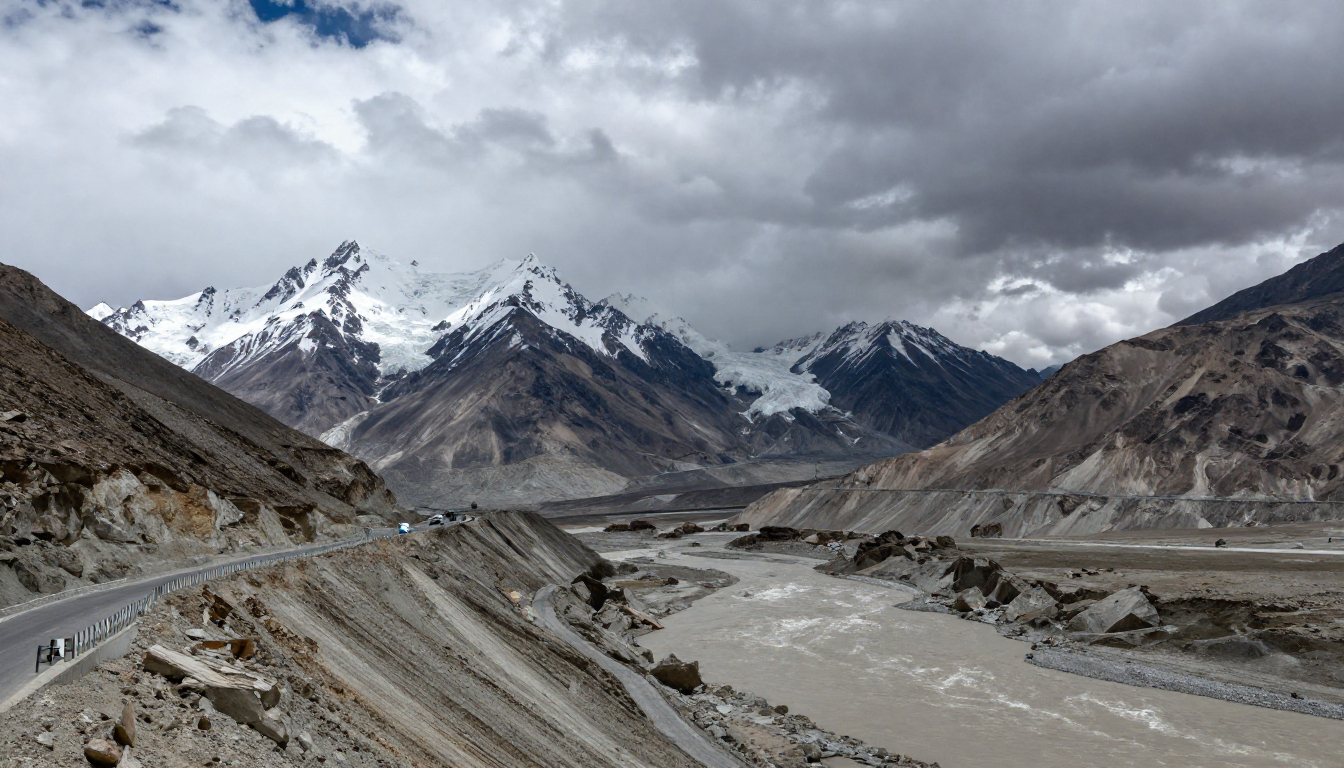
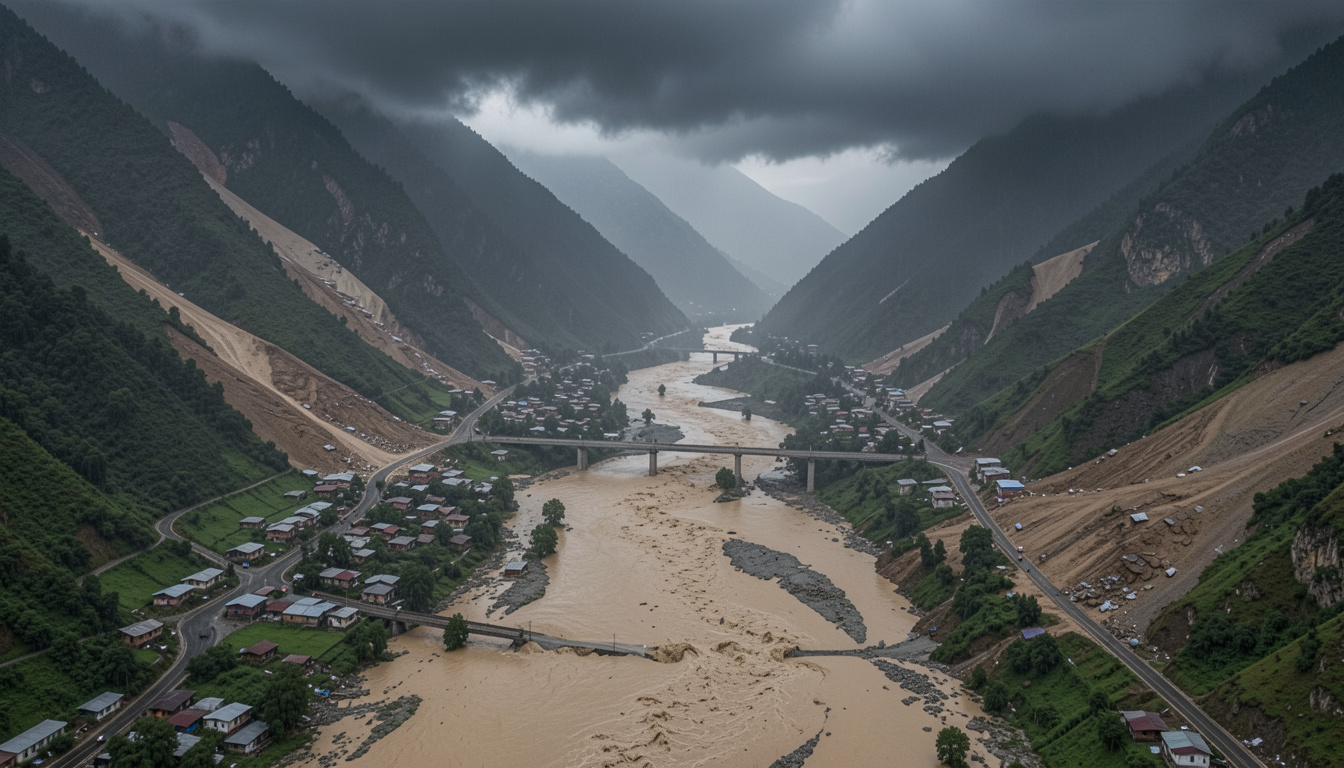
Nepal ranks among the most climate-vulnerable countries. Rising temperatures, unpredictable monsoons, and glacial retreat alter delicate ecosystems. Species are being forced upslope, but suitable high-altitude habitats are limited.
The snow leopard depends on cold alpine terrain, yet its habitat is shrinking rapidly as glaciers melt. Himalayan bird species are also struggling to adapt to shifting seasonal cycles.
Impact on Nepal’s Wildlife
The combined pressures of human activity and climate change have devastating effects:
- Loss of Living Space → Large animals like tigers and elephants lose the forests they need for food, shelter, and breeding.
- Fragmentation → Populations become isolated, reducing genetic diversity and resilience to disease.
- Human-Wildlife Conflict → Elephants raid crops, and tigers wander into villages, leading to loss of life and livestock.
- Ecosystem Disruption → The decline of keystone species unbalances prey-predator dynamics, pollination, and forest regeneration.
Species at Risk
- Snow Leopard → Constrained by glacial retreat and prey decline.
- Bengal Tiger → Threatened by habitat fragmentation in the Terai.
- Red Panda → Sensitive to temperature changes and forest degradation.
- Asian Elephant → Increasingly confined to small forest patches, escalating conflict with humans.
These species are keystone indicators of Nepal’s ecosystem health. Their decline signals broader environmental collapse.
Moving Forward: Solutions for Conservation
Nepal has achieved global recognition for community forestry and tiger recovery. But urgent action is needed to address habitat loss:
- Expand protected areas and wildlife corridors to connect fragmented landscapes.
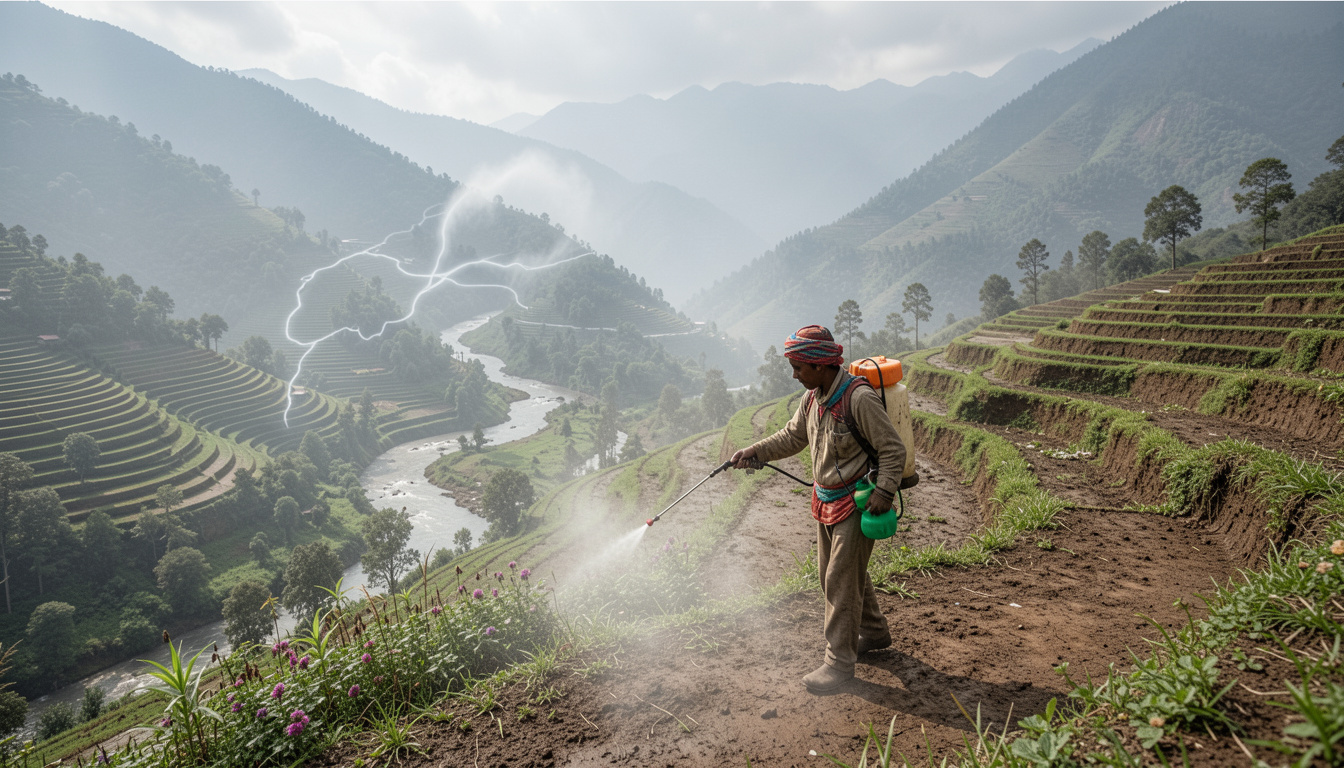
- Promote sustainable land use through agroforestry, eco-tourism, and climate-smart agriculture.
- Empower local communities to manage forests and share conservation benefits.
- Adopt climate adaptation strategies that restore degraded forests and secure alpine water sources.
- Raise awareness of how protecting wildlife sustains human livelihoods and culture.
For more, see WWF Nepal and ICIMOD.
Conclusion: Why Action Matters
Habitat loss in Nepal is not just an environmental problem – it’s a human one. Forests regulate water flows, prevent soil erosion, and support agriculture, while wildlife drives eco-tourism and cultural pride. Losing these ecosystems would weaken both the economy and the environment.
Yet there is hope. Nepal has doubled its tiger population and shown the world how community-led conservation works. With stronger policies, scientific research, and local participation, Nepal can once again lead the way in protecting biodiversity.
Safeguarding habitats today ensures that future generations inherit thriving forests, rivers, and mountains – where both people and wildlife can live in balance.