 Nirajan Dahal
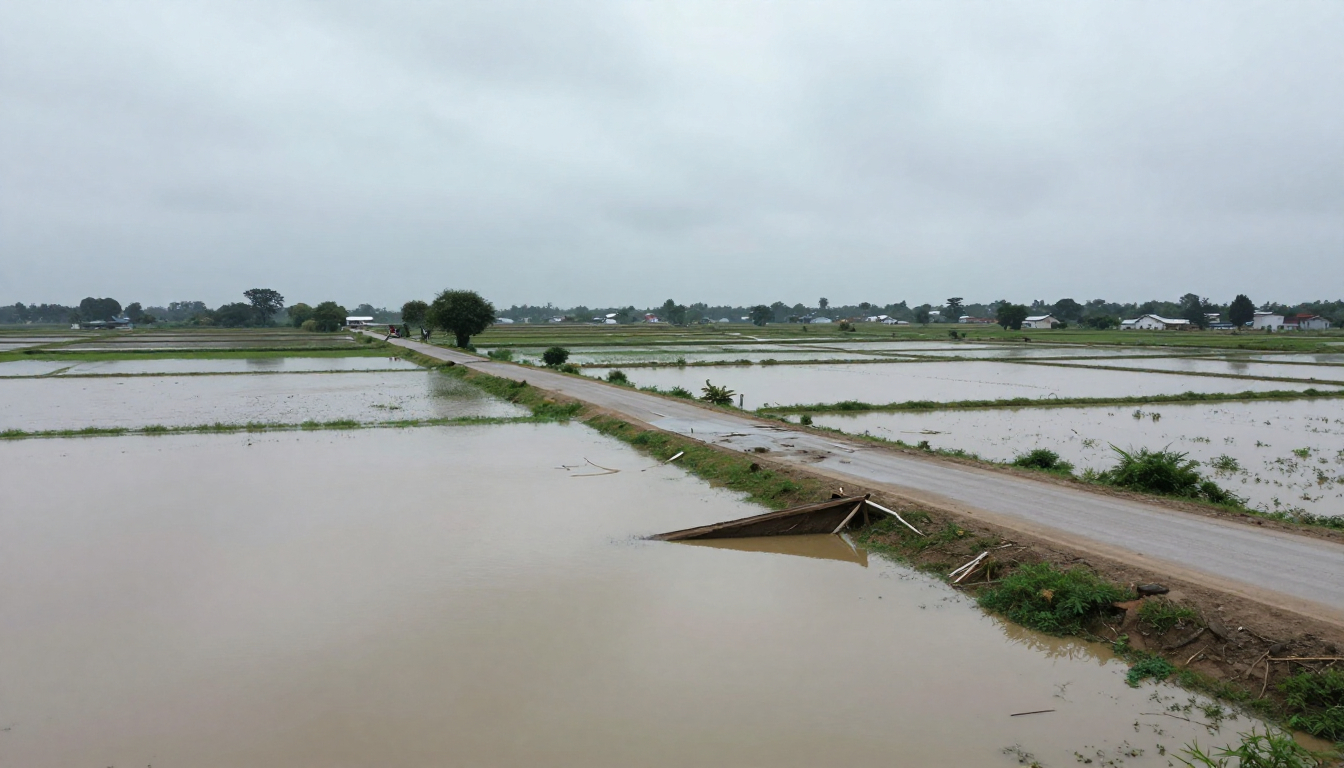
Climate change is no longer a distant threat. It is happening now. From scorching heatwaves to record-breaking floods and wildfires, the signs of environmental stress are everywhere. Confronting this global emergency requires bold and transformative solutions. Technology, which for years was seen mainly as a driver of industrial emissions, is now emerging as one of the strongest allies in restoring balance.
1. The Scope of the Climate Crisis
Atmospheric carbon dioxide levels have passed 420 parts per million, the highest in millions of years. Extreme weather events such as hurricanes, wildfires, droughts, and flash floods are increasing both in frequency and severity. These changes are not only environmental but also social and economic. Entire communities are being displaced, food systems are under strain, and infrastructure is tested beyond its limits. The scale of this challenge demands responses that are fast, scalable, and innovative.
2. Data, Prediction, and Resilience
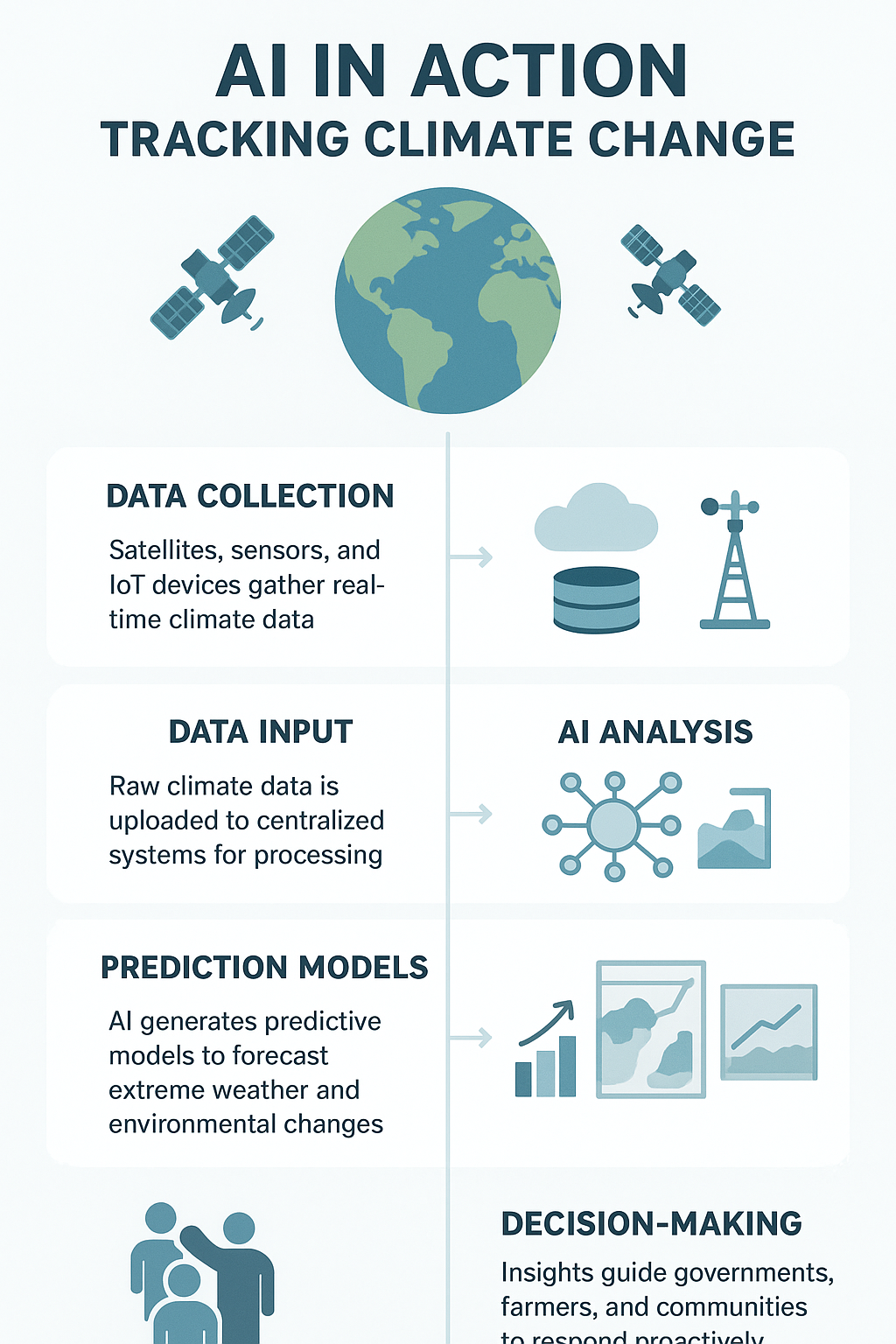
Modern climate defense begins with information. Satellites, ground-based sensors, and artificial intelligence now provide insights that were unimaginable only a decade ago.
Google’s AI flood forecasting program already covers more than 460 million people across 80 countries. It provides warnings up to a week in advance, even in regions that previously lacked reliable river data. In Southeast Asia, AI rainfall prediction systems are helping cities such as Bangkok prepare for severe storms. In South Asia, improved monsoon forecasting models now predict rainfall weeks ahead, giving farmers and disaster planners time to act.
During the 2021 monsoon season, India and Bangladesh issued more than 100 million alerts covering over 350 million people, thanks to operational flood models. These advances show that technology is not abstract; it saves lives and helps vulnerable communities adapt.
3. The Clean Energy Revolution
Perhaps the most visible transformation is happening in energy. Renewable power has shifted from being a costly alternative to becoming the most economical source of new electricity in many regions.
Since 2009, the cost of utility-scale solar has fallen by more than 80 percent, while wind energy has dropped by more than 50 percent. In some markets, electricity from solar and wind is now cheaper than coal or natural gas, even without subsidies. Large-scale battery systems and smart grids are ensuring that renewable power can be stored and distributed efficiently.
Countries that invest in clean energy are not only cutting emissions. They are also reducing dependence on imported fuels and protecting themselves from volatile global oil and gas prices.
4. Smarter Cities for Cleaner Living

SRC : NASA
Urban areas generate more than two-thirds of global emissions, which makes them central to climate solutions. Cities are now using technology to become greener and more livable.
In Singapore, digital platforms integrate building systems, public services, and energy grids to reduce waste. The country’s Green Plan 2030 aims to quadruple solar use, plant one million trees, and ensure carbon neutrality in schools. Smart buildings automatically adjust energy consumption, while electric buses and improved traffic management reduce air pollution.
These innovations show how cities can turn from being major polluters into hubs of sustainable living.
5. Agriculture and Food Tech: Growing Smarter
Climate change is putting immense pressure on global food systems. At the same time, agriculture itself contributes significantly to emissions. New technologies are helping break this cycle.
The Netherlands has become a leader in sustainable farming. With vertical farming, hydroponics, and robotics, Dutch farmers produce extraordinary yields on limited land while using far less water and fertilizer. Greenhouse production allows a single acre to produce what once required ten, and in some systems a kilogram of tomatoes can be grown with just one liter of water.
There are still challenges. Energy demands for vertical farms remain high, and some companies have downsized due to rising costs. Yet these methods point toward a future where food can be grown closer to cities with less strain on the environment.
6. Empowering Individuals and Communities
Technology is not only transforming governments and corporations. It is also shaping personal choices.
Mobile apps help people track their carbon footprint, compare transport options, or find sustainable products. Smart home devices reduce energy waste by adjusting lighting and temperature automatically. Ride-sharing platforms and community energy-sharing projects encourage people to adopt sustainable habits together.
When millions of individuals make small but informed choices, the collective impact becomes significant.
7. Challenges and Ethical Questions
Despite its promise, technology is not a perfect solution. The cost of advanced systems can be a barrier for developing countries. Access remains unequal, and without deliberate efforts, a digital divide could deepen climate inequality.
Another concern is the energy footprint of technology itself. Data centers, cloud computing, and artificial intelligence require large amounts of electricity. If that power is not sourced from renewables, emissions may rise instead of fall.
Ethical considerations also matter. Climate technologies must be deployed transparently and fairly, ensuring that they benefit all rather than a privileged few.
8. The Path Forward
True climate resilience requires more than technology. It demands the right policies, global cooperation, and changes in individual behavior.
Governments can support innovation through regulation and investment. Cities can design infrastructure that is not only sustainable but also regenerative. Businesses and investors can fund solutions that scale, while individuals can make informed daily choices.
If these forces come together, technology will not only help reduce harm but also create a path to renewal.
Conclusion
Technology is becoming one of the most powerful allies in the fight against climate change. Artificial intelligence predicts disasters before they happen, renewable energy is becoming cheaper than coal, and smart cities are showing how urban life can be reimagined. Farmers are using fewer resources to grow more food, and individuals are empowered to make better choices through everyday apps and devices.
The challenge is immense, but the opportunities are equally great. If humanity guides innovation responsibly and ensures fair access, technology can serve as a bridge between today’s crisis and tomorrow’s sustainable future.